Ria Formosa Wetland Protection


The Ria Formosa Natural Park is a protected coastal wetland running 60 km along the Algarve, with wildlife that includes flamingos, seahorses and migratory birds. Conservation work focuses on protecting this fragile ecosystem while promoting sustainable tourism and environmental awareness.
Six barrier islands, sandbanks, lagoons, tidal canals and salt marshes make up the Ria Formosa Natural Park, which runs for approximately 60 km along the south-eastern Algarve coast, from Faro to Tavira. Their shapes shift continuously with the currents and tides. It's one of the most ecologically significant wetland systems in Europe.
The park has the world's largest known concentration of seahorses. Flamingos, white storks and chameleons live here too, along with a wide range of resident and migratory birds. It is also the native habitat of the Portuguese Water Dog, a rare breed recognised internationally. Its protected status helps prevent overdevelopment along the coast, which keeps its beaches among the most pristine in southern Europe.
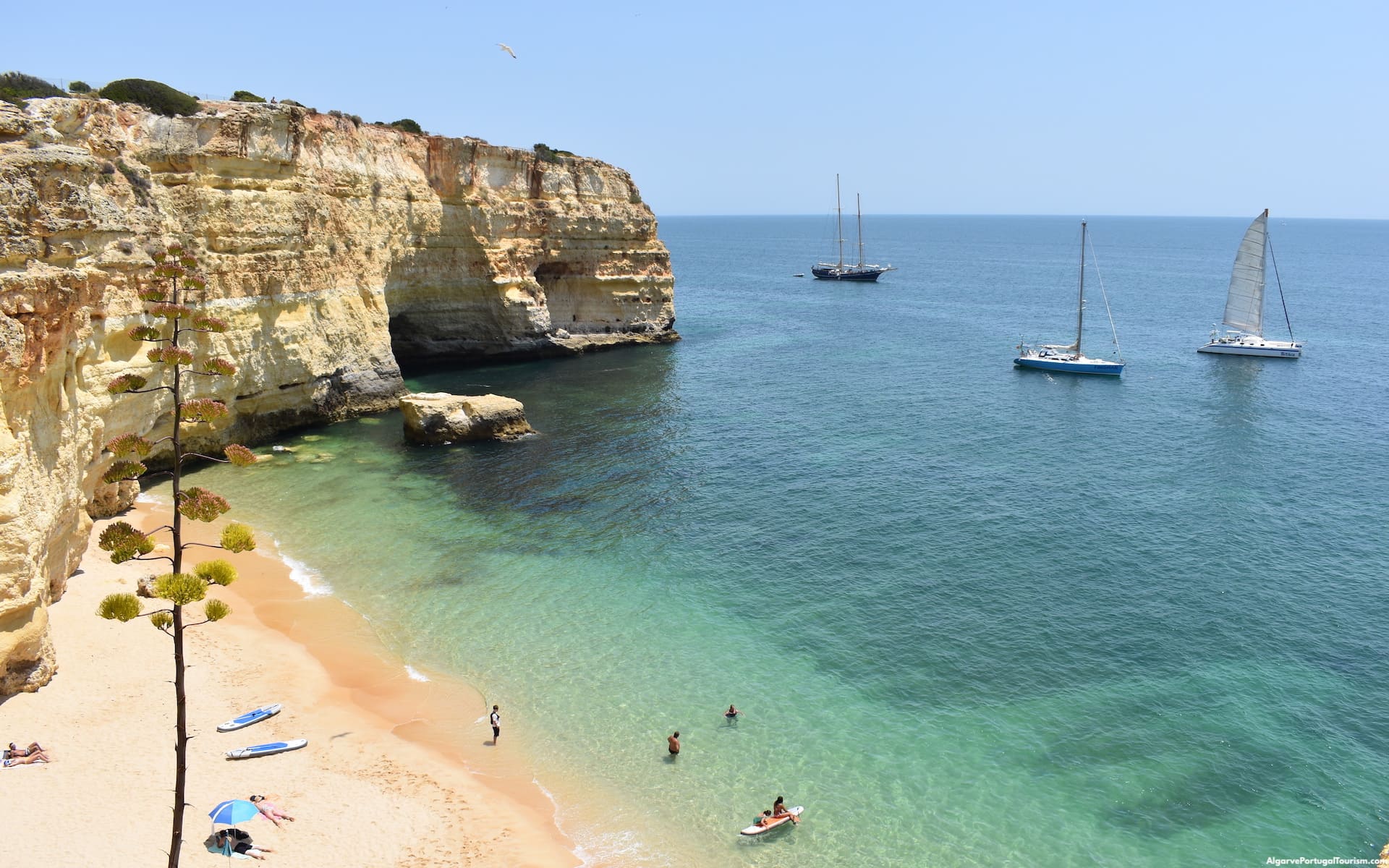
Visitors can reach the park by public ferry or tourist boat from Faro, Olhão and Tavira, and go birdwatching, kayaking, cycling or on dolphin-watching excursions. At Quinta de Marim in Olhão, the Ria Formosa Natural Park Interpretation Centre has nearly 3 km of walking paths and boardwalks, exhibitions on environmental protection and an archaeological site dating to the 4th century.
Protection is critical because the wetland faces mounting pressure from mass tourism, climate change and coastal erosion. Conservation initiatives aim to safeguard its ecosystems, support sustainable nature-based tourism, and educate local communities and international visitors about the park's ecological and cultural value. The park is managed within Portugal's national network of protected areas and overseen by the Instituto da Conservação da Natureza e das Florestas (ICNF).
Our Goal
To safeguard the ecosystems of the Ria Formosa Natural Park by promoting conservation, sustainable nature-based tourism and environmental education for local communities and international visitors.
Our Wishes
More public awareness, more community engagement and more policy support, to address the pressures of mass tourism, climate change and coastal erosion that threaten the wetland.