Algarve dam plan is open for public comment until 12 October
A proposed reservoir on the Foupana stream would add water to the eastern Algarve's supply. The environmental study is public, and anyone who wants to comment has until 12 October.
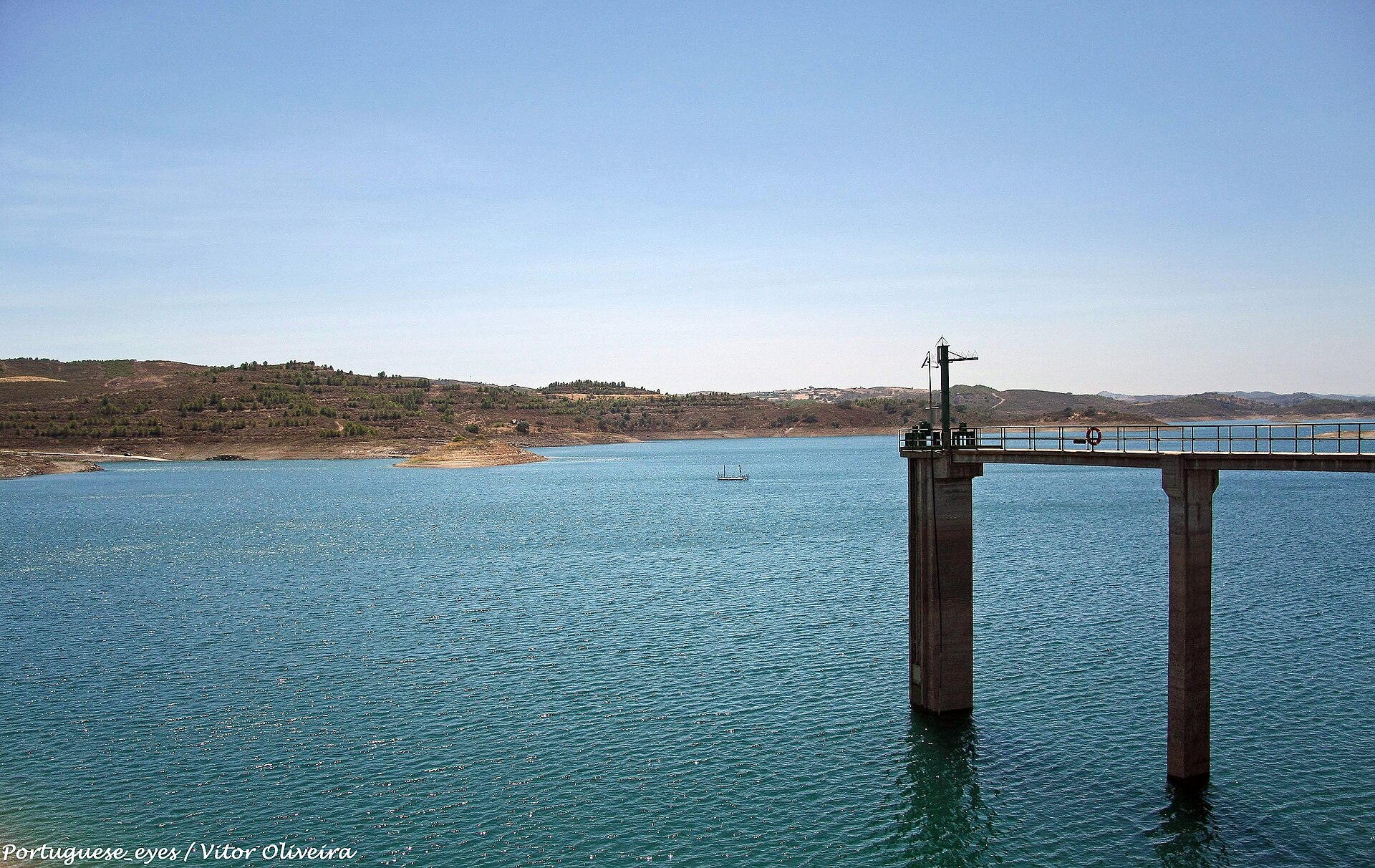
The Foupana dam has been talked about since the 1970s. It would sit on a tributary of the Guadiana, in the municipalities of Alcoutim and Castro Marim, and send water through a tunnel to the Odeleite and Beliche reservoirs, which already serve the eastern Algarve.
The impact study, dated July, compares three sites. One was dropped because it lay entirely inside the Guadiana special conservation area. Of the two that remain, the study prefers the smaller one, a reservoir of 491 hectares holding 99 cubic hectometres that would be linked to Odeleite by a 4.6 km tunnel. A 2021 estimate for the Portuguese Environment Agency (APA) put the cost at €150 million to €200 million.
The study expects significant harm, both during construction and once the dam is running, mostly from clearing land and changing the stream's natural flow. Surveys found 145 animal species. Twenty-one of them are threatened, and the area partly overlaps the range of the Iberian lynx. According to the nature conservation institute ICNF, all 354 lynx counted in Portugal in its 2024 census belong to a single population in the Guadiana valley.
The promoter is the irrigation association for the eastern Algarve, which also commissioned the study from the engineering firm Aqualogus. That's standard in Portugal, where the promoter of a project pays for its impact study while APA makes the final decision and has to weigh the comments it receives from the public. In March, the association's then president, Macário Correia, accused the ICNF of holding the project up with requests for extra lynx surveys. The institute rejected that.
In April, environment minister Maria da Graça Carvalho said the dam would become a reality and that a tender would follow soon, months before the public consultation opened. The PSD in the Algarve has urged people to take part, saying the water matters most for farming in the central Algarve.
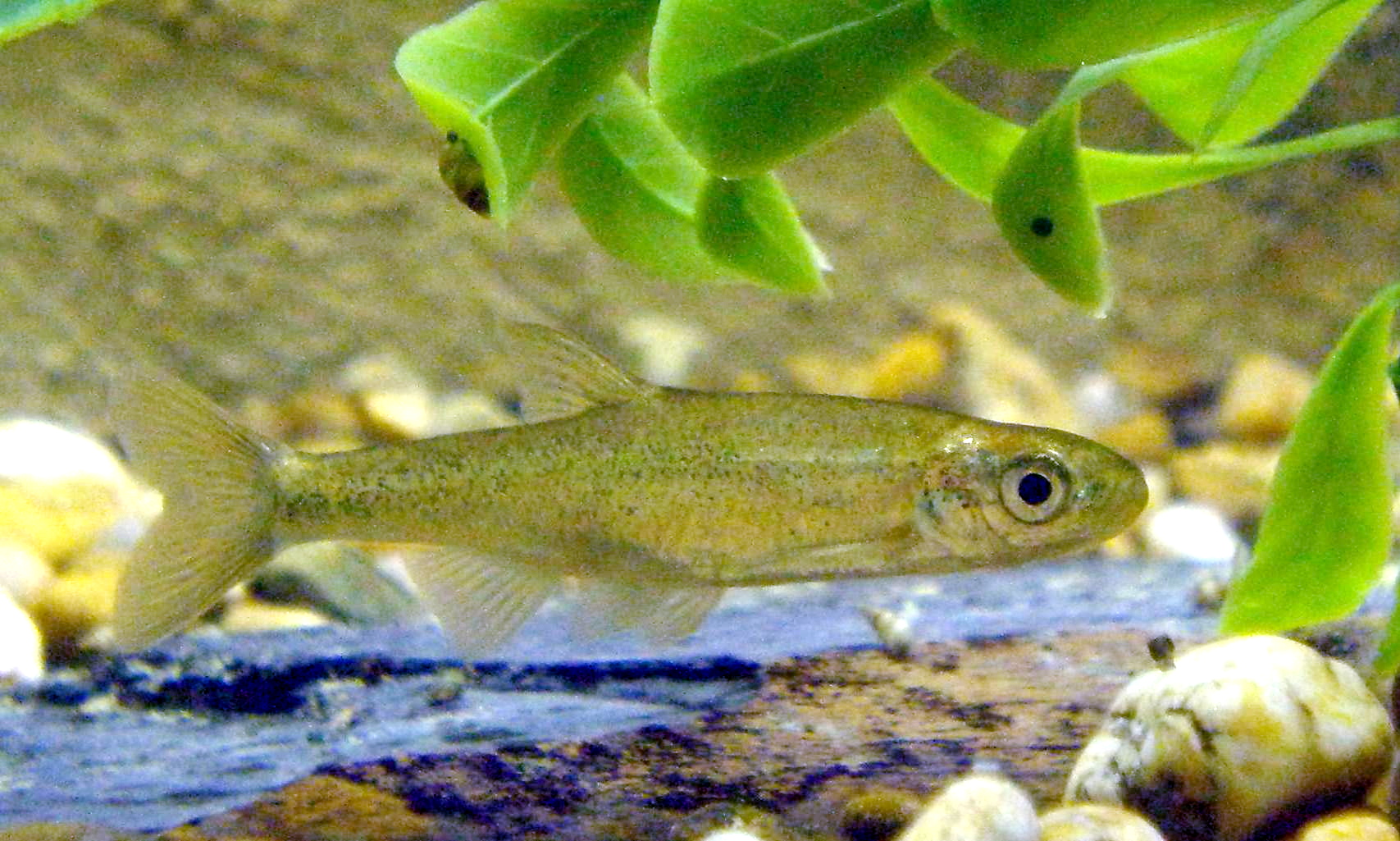
The Loulé conservation group Almargem opposed the dam in 2023. In a written reply to Sustainable Living, its president, Edgar Ribeiro, said the new study had only strengthened that stance and described the group's position as "flatly unfavourable" (translated from Portuguese). Almargem is sending a technical opinion to the consultation. It argues that with river flows expected to fall by 20% to 26% by the middle of the century, the reservoir would be far less reliable than its backers suggest. It also says the study itself accepts that the saramugo, a small critically endangered fish that only lives in flowing water, would vanish from the flooded stretch. Instead of a new dam, the group wants the region to fix leaking supply networks, recharge its aquifers and reuse more treated wastewater.
You'll find the full study and a short summary in Portuguese on the Participa portal and APA's website, where you'll need to register before sending a comment.