The week in the Pulse · 21 – 27 September 2026

What Portugal protects when land and water are contested

Pressure on land and water shaped Portugal’s week, from a warning over Sintra-Cascais Natural Park to scrutiny of irrigation in Alentejo and a proposed Algarve dam. Formal protection advanced in the Sado Estuary, while an orchard tested lower-water crops. In Braga, Lisbon and online, practical systems gave batteries, broken equipment and surplus food another use.

7 daily editions · 209 stories · 7 regions

What shaped the week

Protected status only matters when rules, land and enforcement line up. This week brought sharply different signals. An opinion piece warned that someone had openly proposed abolishing Sintra-Cascais Natural Park to allow urban development. In the Sado Estuary, the government completed the classification of a Natura 2000 conservation zone, after an EU court ruling and a daily fine for incomplete compliance. Ponte de Lima council also bought 12 hectares of native woodland to expand the protected Bertiandos and São Pedro de Arcos lagoons landscape. Water decisions showed why protection can become difficult in practice. A Tavira orchard is testing more than 500 perennial edible plants, recording successes and failures to identify fruit that can grow with less water. Elsewhere, choices remain contested. A study backs the smallest design for the Foupana Dam, with 99 hectometres cubed of storage and less flooded land, but the area includes Iberian lynx habitat and dozens of threatened species. Alcácer do Sal’s assembly, meanwhile, wants a review of a 295.18-hectare tangerine project and its effects on groundwater. Circular systems offered more immediate experiments. Braga’s new b.again plant can process 7,000 tonnes of lithium batteries a year and recover over 95% of their materials, although later extraction happens in France. FoodConnect now matches edible surplus with nearby recipients. At Lisbon’s MAAT garden, free Repair Café sessions combine repairs with skills training. Each tackles waste at a different point: industrial processing, redistribution or keeping products in use.

Stories behind the week

Protection under pressure

Protected places faced pressure and reinforcement at once. Sintra-Cascais drew a warning about development, while formal rules advanced in the Sado Estuary and Ponte de Lima added 12 hectares to a protected wetland landscape.

Writer warns of push to abolish Sintra-Cascais Natural Park

An opinion piece by Nuno Gomes Oliveira warns that, for the first time, someone has openly proposed abolishing a protected area in Portugal — the Sintra-Cascais Natural Park — in order to open the land to urban development. The author frames this as an unprecedented threat to the country's system of protected areas, describing it as a step he was reluctant to write about. The piece signals concern over growing pressure to weaken environmental protections in favour of construction and development interests.
Portugal formally classifies Sado Estuary conservation zone

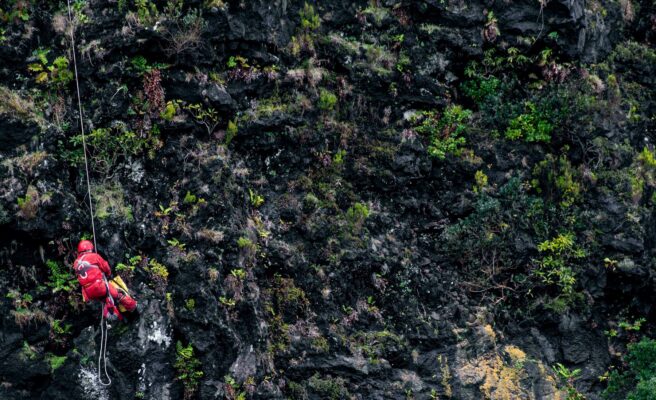
The Portuguese government has published Decree-Law 189/2026, completing the classification of the Sado Estuary Special Conservation Zone, part of the Natura 2000 network. The new regime sets conservation objectives for estuarine habitats, dunes, cork oak forests and species such as dolphins and otters, and imposes restrictions on activities that could harm them. It also applies conservation measures to overlapping bird protection zones. The move addresses a long-running EU legal dispute: in 2019 the European Court of Justice found Portugal in breach for failing to designate 61 such zones, and in March 2026 imposed a daily fine for incomplete compliance.

Ponte de Lima council buys 12 hectares in protected wetland area

The Ponte de Lima council has purchased 12 hectares of land from the Santa Casa da Misericórdia for €181,038, expanding the protected Bertiandos and São Pedro de Arcos lagoons landscape area. The land, rich in native woodland, will support biodiversity conservation and ecological corridors. The purchase is part of a wider €798,300 project, part-funded by €89,888 from the European Regional Development Fund, that also covers habitat restoration along the Estorãos river and public awareness initiatives. The protected area, created in 2020, spans 350 hectares with about 22 kilometres of walking trails.

Choices shaped by water

Water scarcity is shaping choices about what to grow and what to build. Drought-resilient fruit trials offer practical evidence, while the Foupana Dam and intensive tangerine farming raise harder questions about habitats, storage and groundwater.

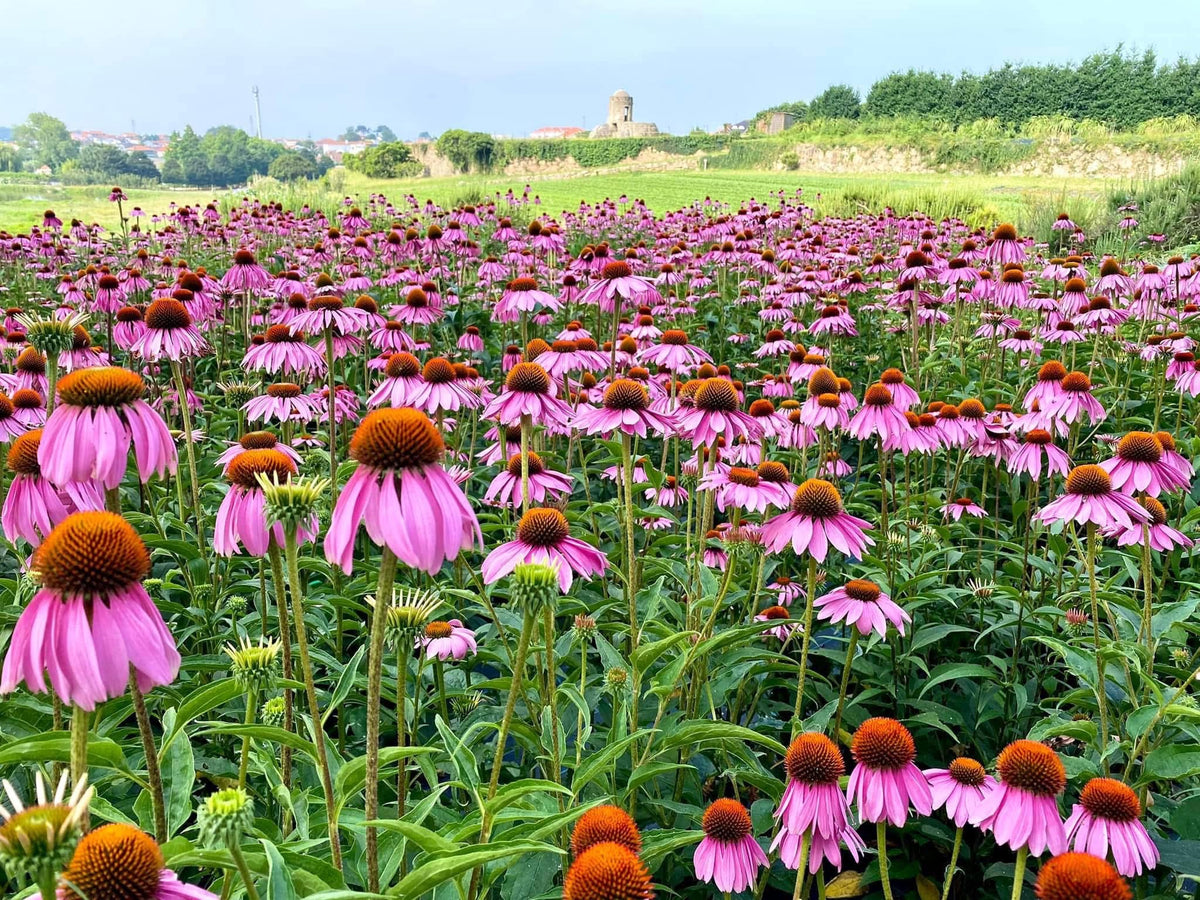
Tavira orchard trials 500 fruit plants for drought resilience

The Pomar dos Sabores, a botanical garden in Luz de Tavira, is testing over 500 types of perennial edible plants to see how they adapt to the Algarve's climate and which can produce fruit with less water. The 1.8-hectare project, accredited by the Botanic Gardens Conservation International since 2022, records both successful harvests and failures in a freely accessible database. Fruits such as mangoes, longans, ingas and Blue Java bananas already grow there. Organisers say the aim is to help farmers and gardeners make informed choices as growing conditions change with the climate.

Environmental study backs Foupana Dam under smaller design

A public consultation is open until 16 October on the Environmental Impact Study for the Foupana Dam, planned on a Guadiana tributary in the Algarve to boost water storage for Castro Marim, Alcoutim and the wider region amid climate-driven drought risk. Of three studied locations, the study recommends the smallest, Eixo 3, which floods less land, stores 99 hectometres cubed of water and avoids protected areas, though it requires a longer connecting tunnel. The area holds rich biodiversity, including Iberian lynx habitat and dozens of threatened species, so mitigation and monitoring plans are proposed. The study concludes the dam is feasible under this option.

Alcácer do Sal assembly seeks review of tangerine project approval

The Municipal Assembly of Alcácer do Sal unanimously approved a motion asking authorities to review the conditional environmental approval granted to a tangerine-growing project by Aquaterra/Expoente Frugal, citing pressure on water resources in the Comporta-Galé protected area. The motion, proposed by the PS group, calls for an integrated assessment of the cumulative impact of intensive irrigated farming projects in the zone, plus stronger independent monitoring of groundwater. It also asks the Government, APA, ICNF, the Alentejo CCDR and EU institutions to oversee compliance with habitat protection rules. The project's farmland was cut to 295.18 hectares and water use lowered to 1.74 million cubic metres a year.

Keeping resources useful

Portugal added new routes for materials and food to stay useful. Lithium batteries can now be processed in Braga, FoodConnect links surplus with recipients, and Lisbon repair sessions pair practical fixes with training and social inclusion.

Braga plant becomes Portugal's first lithium battery recycler

A new facility called b.again, owned by the dst group, has started operating in Braga as Portugal's first plant dedicated to recycling lithium batteries, with capacity to process up to 7,000 tonnes of material a year. Using dry mechanical shredding at low temperature, it recovers over 95% of materials, producing 'black mass' from which lithium, graphite, cobalt and nickel are later extracted at refineries in France. Recycling began in March, with about 500 tonnes already processed. The plant employs 23 people and works with Electrão, which handles nationwide collection and transport.

FoodConnect app launches in Portugal to redistribute surplus food

The FoodConnect platform, part of the European LIFE FoodConnect project, has launched in Portugal to help restaurants, cafés, hotels, municipalities and producers donate surplus food that remains fit for consumption. Donors register available items, quantities and collection times, while organisations supporting vulnerable people and individuals can reserve food nearby, collecting it anonymously via a unique code. The association ZERO notes that each person in Portugal wastes an average of 184 kg of food yearly, above the EU average of 129 kg, and recalls that Portuguese law already requires businesses to prevent food waste where safe disposal alternatives exist.

MAAT to host three free Repair Café sessions in 2026

Zero Waste Lab and ADM Estrela's Porta 11 project have launched a partnership to bring three Repair Café sessions to the MAAT garden in Lisbon by the end of 2026, on 26 September, 7 November and 12 December, from 10am to 1pm. Free but requiring registration, the sessions are open to anyone wanting to repair equipment or learn repair skills. Porta 11, founded in 2021, trains young people in electronics repair while supporting social inclusion. The partnership aims to expand Lisbon's repair offer, train new repairers and raise the project's visibility.

The map keeps filling in. This week we added 4 projects and 85 events. Sustainable Living now connects 430 projects, 202 upcoming events and 868 people across Portugal.

New projects this week

On our agenda

Hear when something grows

New projects, openings and stories — a short letter, only when there's something worth sharing.

Which letters would you like?