Fertiprado
Fertiprado is a Portuguese seed company based in Vaiamonte, Alentejo, specialising in biodiverse, legume-rich mixtures for pastures, forage …
Portugal's soil is being worked back to life, by agroecological farms like Vale da Sarvinda and Herdade Monte Silveira, regenerative projects like Quinta Vale da Lama, and cooperatives like Fruta Feia that rescue “ugly” produce from waste. From syntropic farming to community-supported agriculture, this is where food in Portugal is being rethought from the ground up.
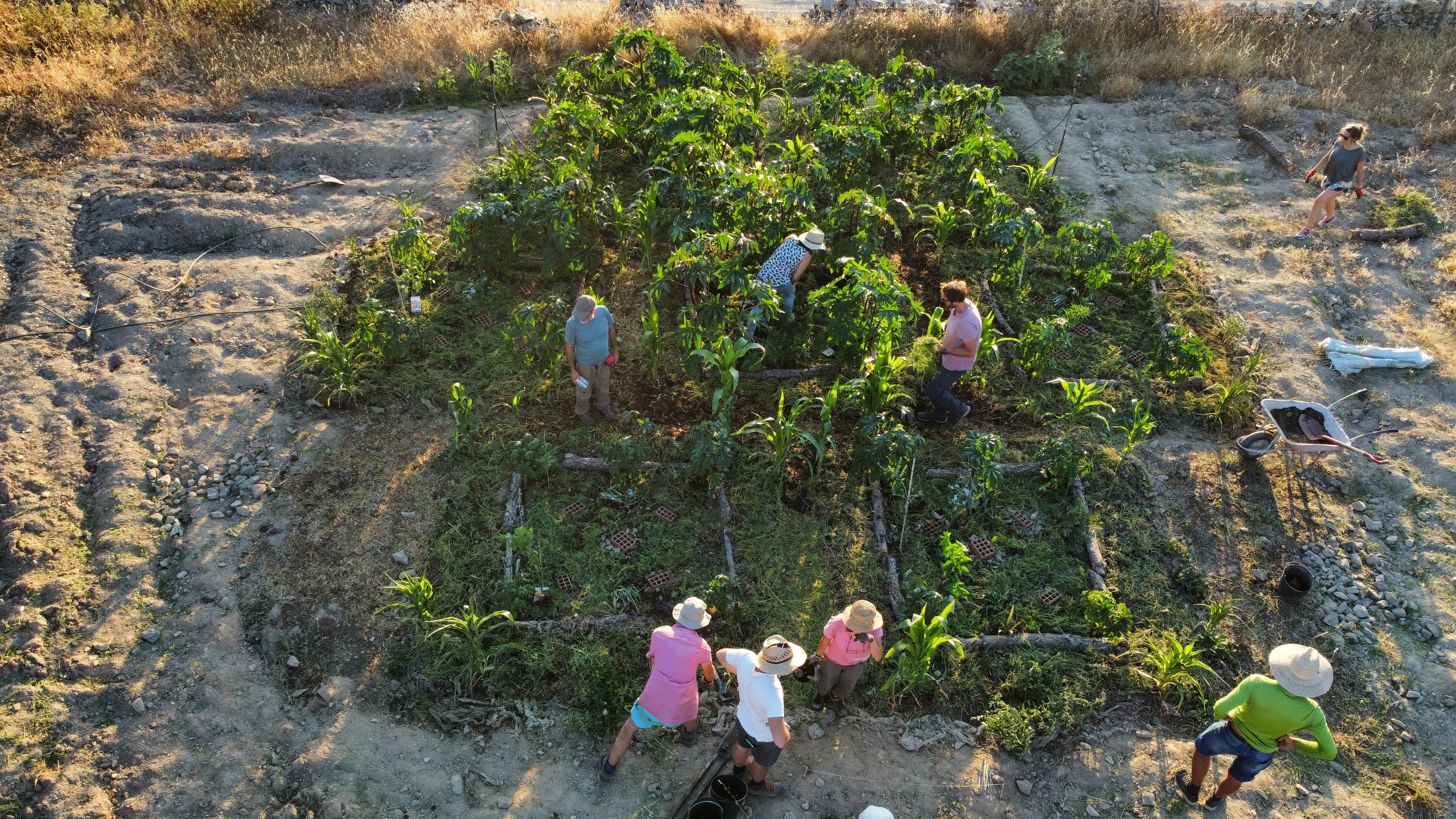 Biggest Mini Forest turns 3x3 metre plots into food forestsPlot Zero: the first mini food forest, and what it changed
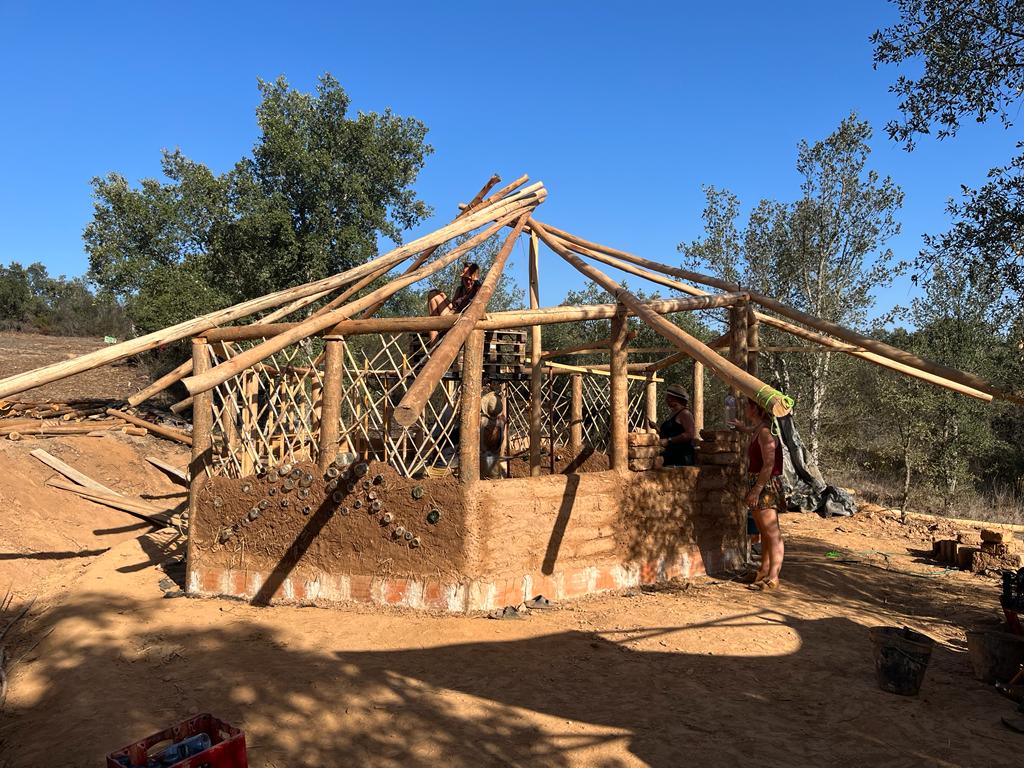 A women's collective teaches earth building in the Alentejo An earth house can live anywhere, if it is designed consciously
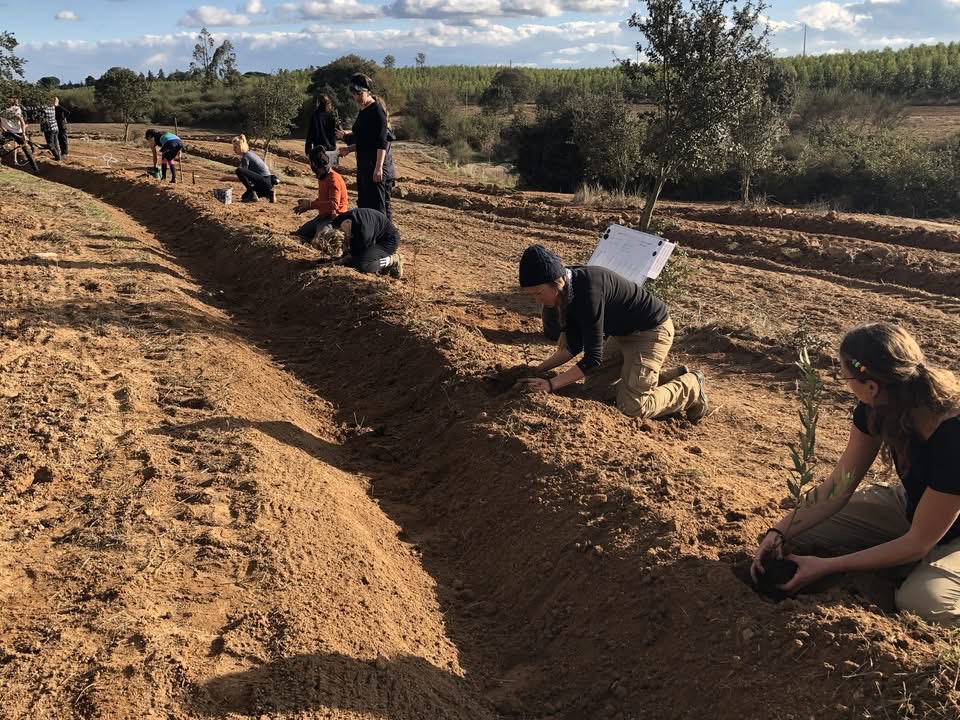 Ekōgaio is helping regenerate Portuguese landscapes from its hub near TomarEkōgaio plants more than 10,000 trees on municipal land in Crato
Fertiprado is a Portuguese seed company based in Vaiamonte, Alentejo, specialising in biodiverse, legume-rich mixtures for pastures, forage …
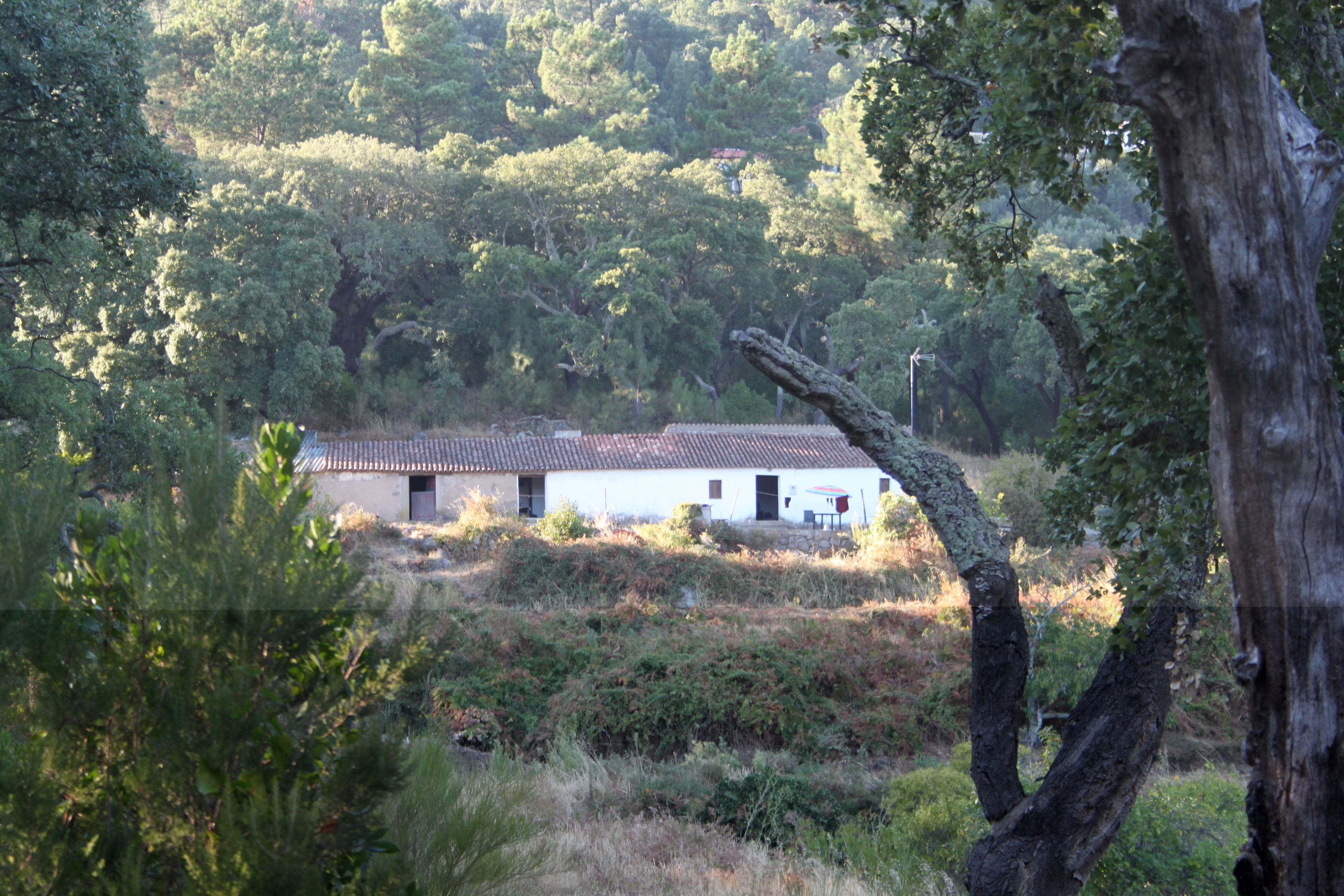
Raízes da Montanha runs two regenerative demonstration farms in the Serra de Monchique, Algarve, home of the Monchique Stewardship System. T…
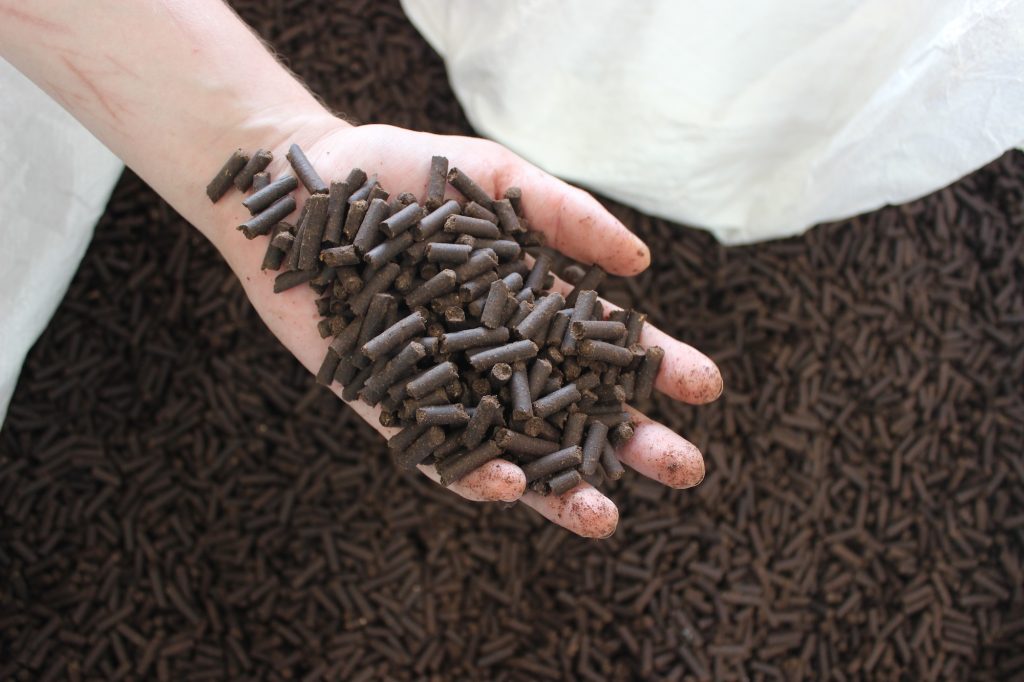
Entogreen is a brand of Ingredient Odyssey, S.A., based in Santarém. It uses insects to bioconvert plant by-products into protein meal, fat …

Aphros Wine is a biodynamic winery in the Lima Valley, near Ponte de Lima, led by Vasco Croft. It was one of the first certified biodynamic …

Vinha Velha is a 137-hectare family-run farm near Lagos, in the Algarve, now in its second generation. The farm combines regenerative agric…
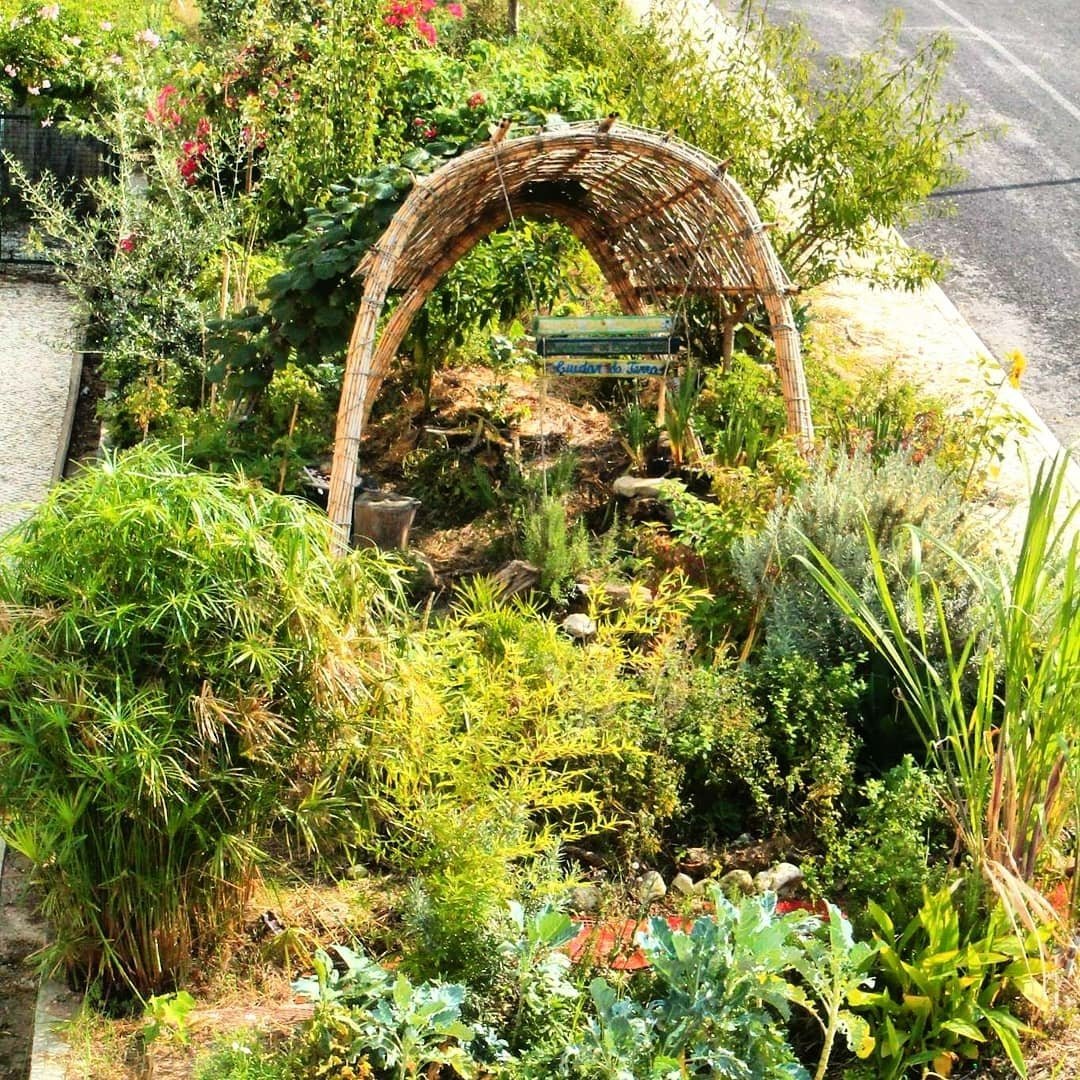
HortaFCUL is a community-based permaculture garden at Lisbon's Faculty of Sciences, active since 2009, combining food production, composting…

A small family-run regenerative farming project in Alvalade do Sado, Alentejo, producing vegetables and other goods through an AMAP (communi…
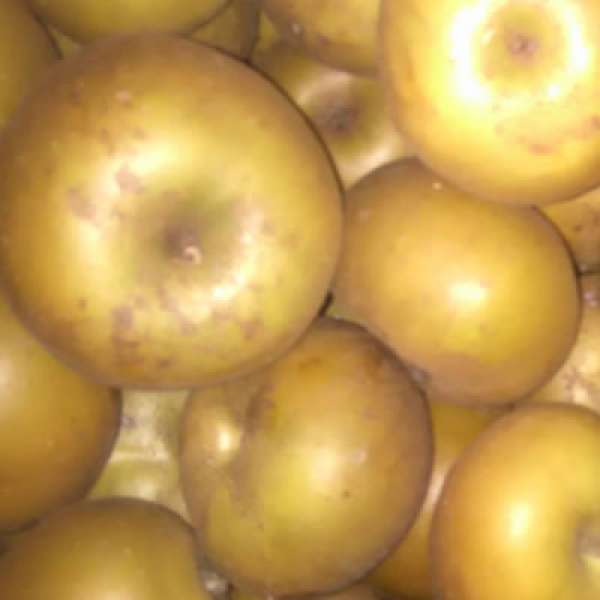
Quinta da Cotovia is an organic farm in Sonega, Cercal do Alentejo, producing fruit, vegetables, bread and olive oil sold through baskets an…
After the screening, a man who spent 25 years making wool carpets takes questions, and a small workshop nearby lets visitors try the craft themselves.
The visit was kept from the press entirely and surfaced only in a late-evening note with photographs, just as the weekend's collection drive was about to begin.
Some of the work happens at two in the morning, when the owners go out among the plants with a task that cannot wait.
Its exports account for about a third of Portugal's berry sales abroad, and now the growers behind them are being asked what they must change.
Output has quadrupled in twenty years, yet the sector's young farmers' group says the old groves and native varieties are where Portugal can really stand out.
Five speakers, a countryside quinta and a chestnut roast will frame a conversation about who will work the land next.
AJAP is running the certified course "Integrated Production Method in Vineyards", with 106 hours combining online and in-person training, aimed at technicians in the agricultural sector. The synchronous sessions take place between 29 September and 3 November, with in-person components in North/Centre and South groups until December.
AJAP is running a course on the Organic Production Method, approved by the DGADR, with online sessions from 30 September to 31 March and in-person sessions between February and April, aimed at agricultural technicians.
A free 250-hour training program for young people aged 18 to 35, with specializations in native forest, nature tourism, and food processing, running from October 2026 to April 2027. Pre-applications are already open via email.
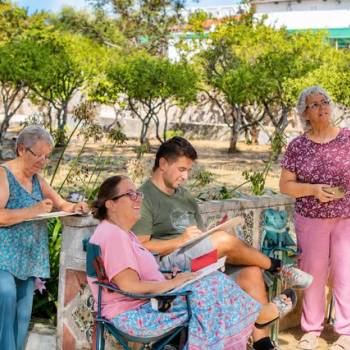
An exhibition of drawings, testimonies and photographs produced in annual workshops at Quinta da Fidalga since 2020, led by Manuela Rosa. The show runs from October 2026 to June 2027, Tuesday to Saturday, and presents work by participants of various professions and ages who explore the site's heritage through drawing.

A month-long series of free, hands-on environmental activities in the western Algarve during November, including tree planting, agroforestry, water retention work and guided nature walks. Most sessions need no experience, and advance registration is required for each activity.
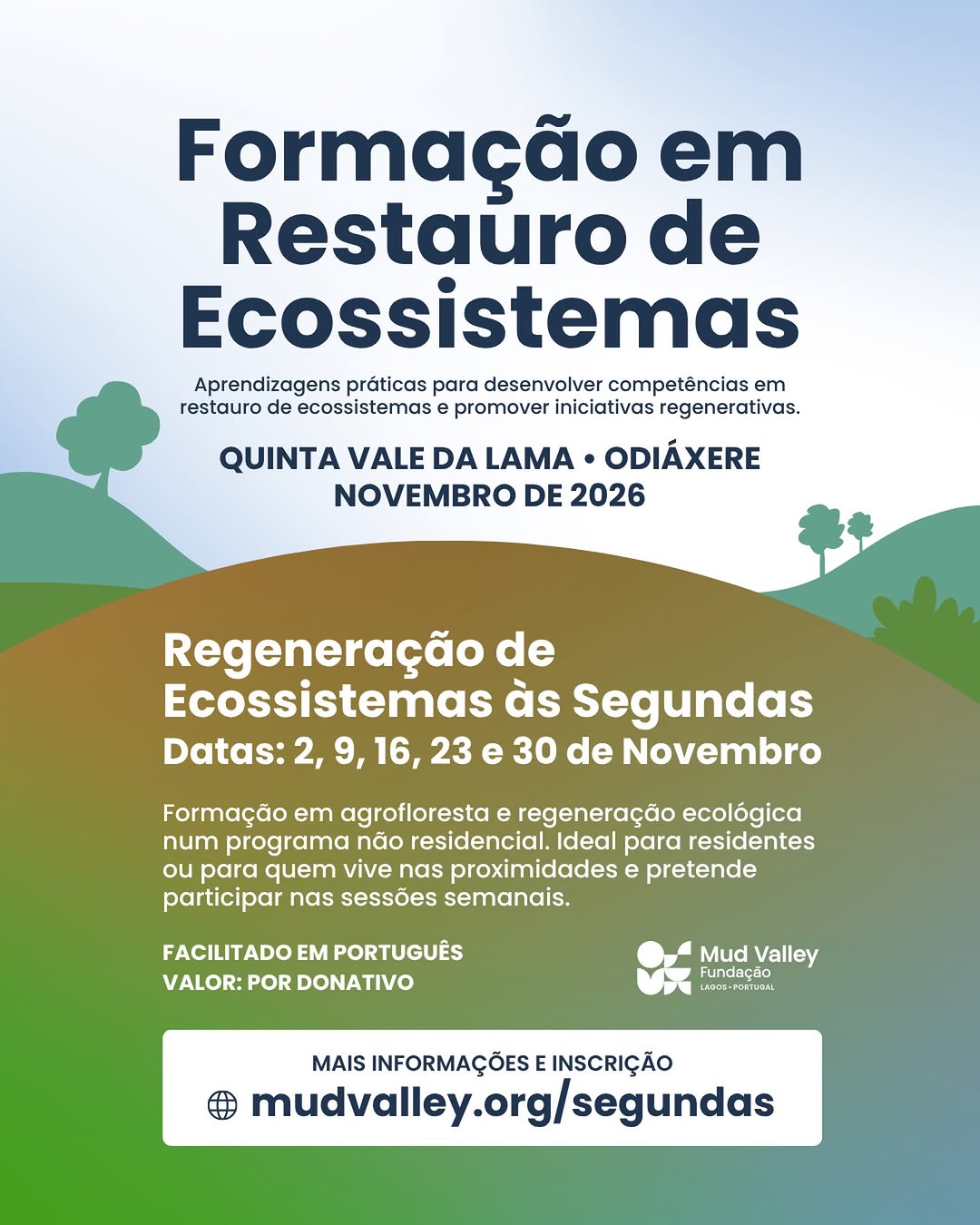
A non-residential training programme on agroforestry and ecosystem regeneration, held on Mondays in November 2026 at Quinta Vale da Lama, near Lagos, with registration open until 19 October.
Portugal farms across three very different landscapes: the terraced smallholdings of the north, the dry plains of the Alentejo, and the citrus valleys of the Algarve. What “sustainable” means shifts with them. In the south the first question is water; further north it is soil and slope.
The projects gathered here answer it at different scales. Agroecological farms like Vale da Sarvinda and Herdade Monte Silveira grow without synthetic inputs. Quinta Vale da Lama pairs regenerative agriculture with training on the land itself. The cooperative Fruta Feia buys produce that supermarkets turn down on looks and sells it on to its members.
Use the focus filter for permaculture, syntropic farming, agroforestry, composting or food sovereignty, or filter by region to find what is near you. Each project page says who runs it, where it is, and whether they are looking for hands, buyers or visitors. Dated activities from these projects are listed in our events calendar.