Ekōgaio is helping regenerate Portuguese landscapes from its hub near Tomar
Ekōgaio takes its name from the Eurasian jay (gaio in Portuguese), one of nature's great forest gardeners. A single jay can bury more than 5,000 acorns a year, hiding them as food reserves. Many are never recovered, allowing new oak forests to grow naturally. Ekō is the phonetic spelling of "echo", symbolising the lasting positive impact that regenerative actions can have on landscapes, communities and future generations.
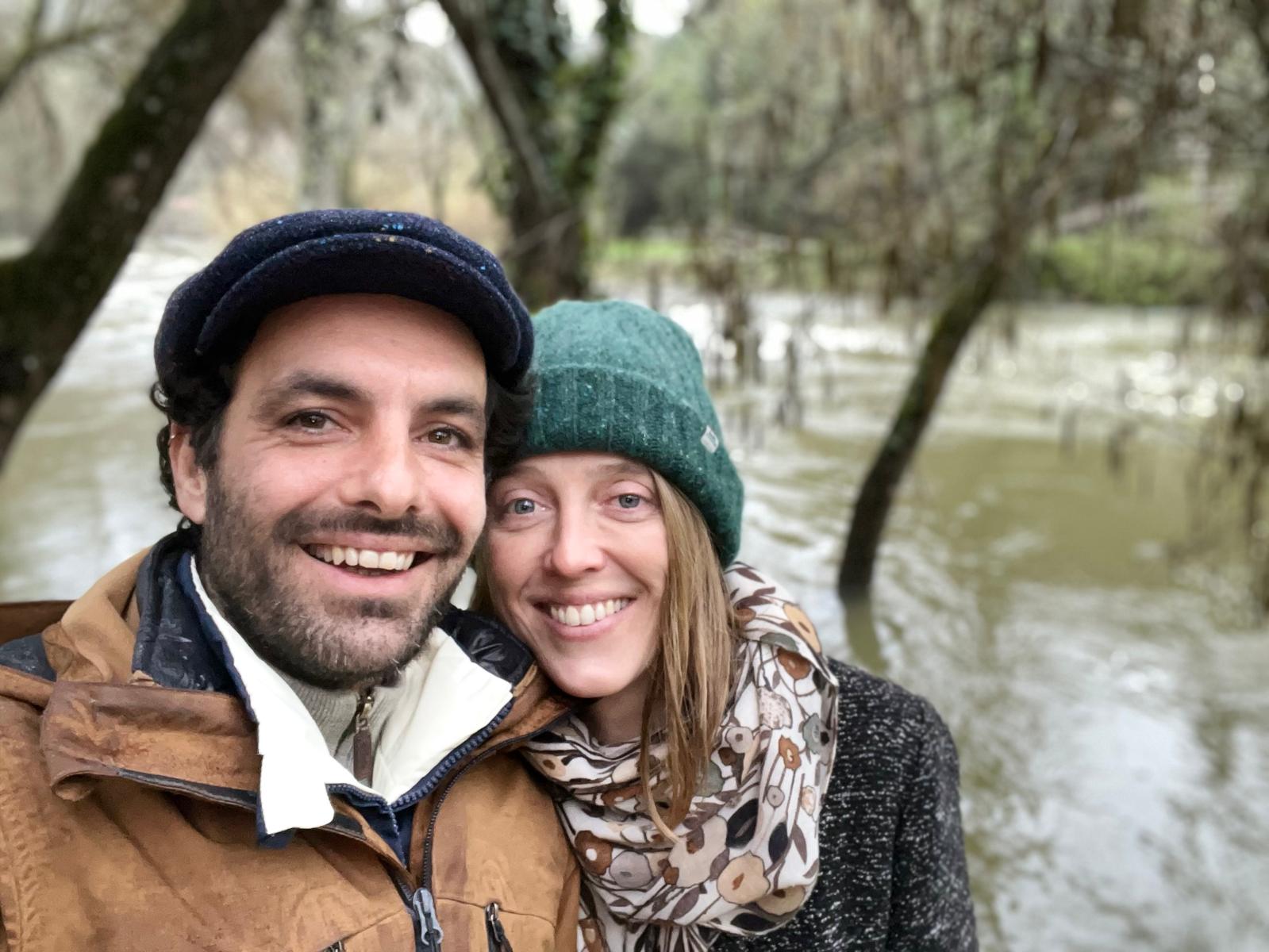
Géraldine, from France, and Bruno, from Portugal, first met in Thailand during a permaculture course. They remained friends and met again several times in France. When Bruno returned to Portugal following the death of his father, he invited Géraldine to join him.
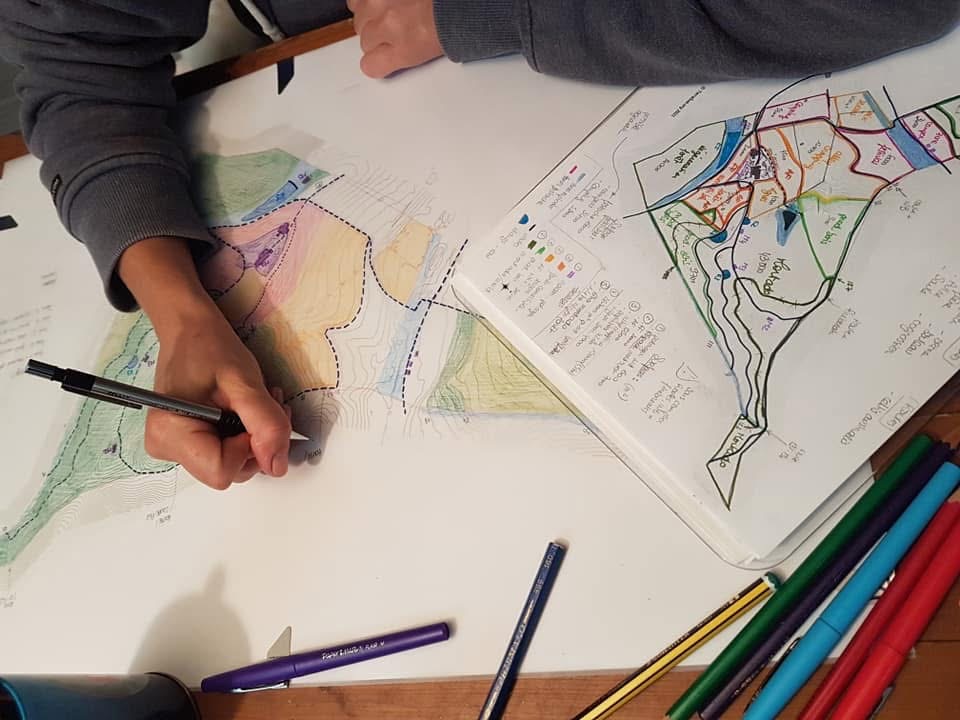
Their original plan was to travel across Africa, learning from and contributing to the regenerative projects they would visit. They spent almost two years preparing their truck for the journey, then Covid hit and the trip never happened. Instead, that energy shaped what Ekōgaio is today. They work in education, consultancy and the design and implementation of regenerative landscapes, combining permaculture, food forests, syntropic agroforestry, ecological water management and natural solutions for fire and wind resilience.
Their hub near Tomar is gradually taking shape as a demonstration site, education centre and, subject to approval, a future nature interpretation centre.
"I am totally convinced that we have to involve ourselves more in working with the municipalities," says Bruno. "We are suffering in the cities from the asphalt, the lack of plants and trees, and the loss of biodiversity in rural areas. We want to help change that."
"We also work with private landowners," says Géraldine. "From rainwater harvesting and greywater systems to small-scale regenerative designs, every project is different. Since we started building our own home, we've been taking on more private projects, and I enjoy that diversity."
Every new project begins with a detailed questionnaire covering the client's goals, the site's characteristics, available water, access, existing vegetation, legal constraints and ecological designations.
"Before we even visit the land, we want to understand both the client's vision and the ecological potential of the site," Bruno explains.
One thing they believe sets Ekōgaio apart is that their work doesn't end with a design.
"We put our hands in the soil, we plant, and we come back," says Bruno. "We monitor the projects over time, learn from them and adapt our approach. Regenerative design isn't just about producing plans, it's about understanding how landscapes evolve."
Ekōgaio plants more than 10,000 trees on municipal land in Crato
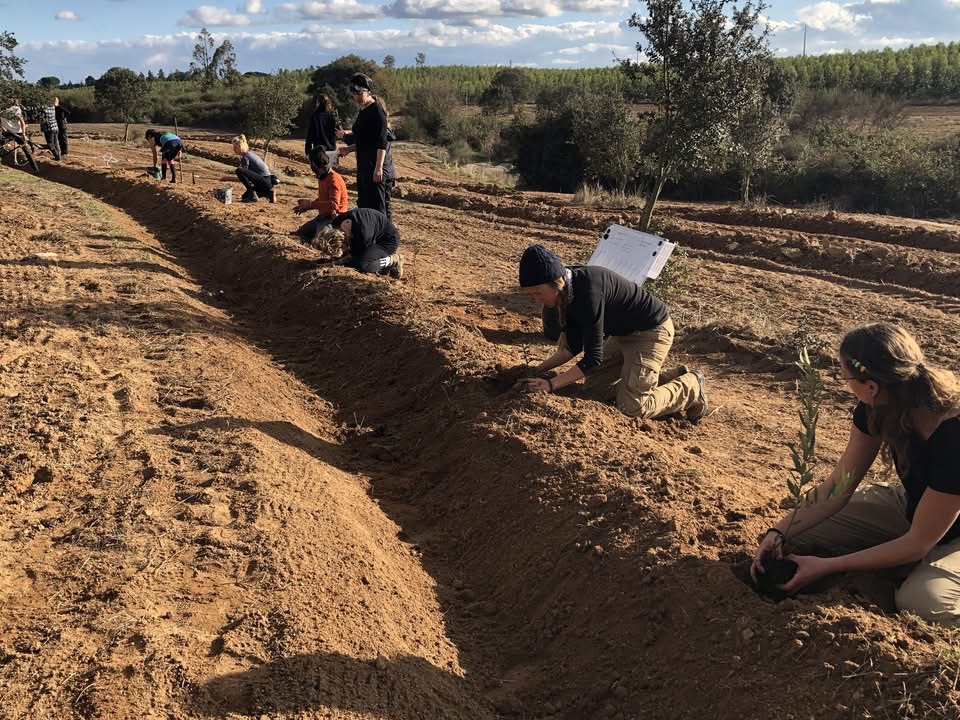
In Crato, in the Alentejo, Ekōgaio has planted more than 10,000 trees over the last four years, with the help of volunteers from all over the world. The project began with a request for help from the organisers of Waking Life festival, who were at risk of losing their land due to a breakdown in their relationship with the municipality.
"We spent two weeks on a report of the potential for the zone," says Bruno. "What demographic loss has the area been taking? Are local people still working? What is the overall panorama, the environment around it? And then we presented the municipality with a plan: give us 40 hectares of land, and in exchange we will create an education system, working with the local schools and the University of Évora, get lunches organised to connect with the community, and create a lake."
The goal of the presentation was to benefit the whole area of Crato, and it is happening. The plan was approved. Alongside the planning, Ekōgaio helped secure free trees, the municipality provided machinery, and the festival organisers helped regenerate the land. Five couples now live on the land as guardians, organising activities, and a portion of the festival's profits went towards the project.
Bruno explains: "People's mindset was, 'We are going to lose this land.' We did not. You always need to come and present a project. Especially in places where demographic decline is affecting people's quality of life, where everyone is getting older and there are no new or young people coming in to create jobs or alternatives. So when the president of a municipality receives a professional project, with a lot of professional people behind it, supporting it to happen… You start planting, you see the kids from the schools coming, you see the plants growing, the lake filling up. And then it becomes almost impossible to go back, because everyone is benefiting. Everyone can go there for a swim and a picnic."