Arroios turns 3,600 m² by its market into a climate refuge
Lisbon's Arroios parish will add shade, plants and a drinking fountain around the Mercado do Forno do Tijolo, with 80% paid for by Turismo de Portugal. It's one of the first three projects funded by the tourism board's €1 million climate refuge fund.
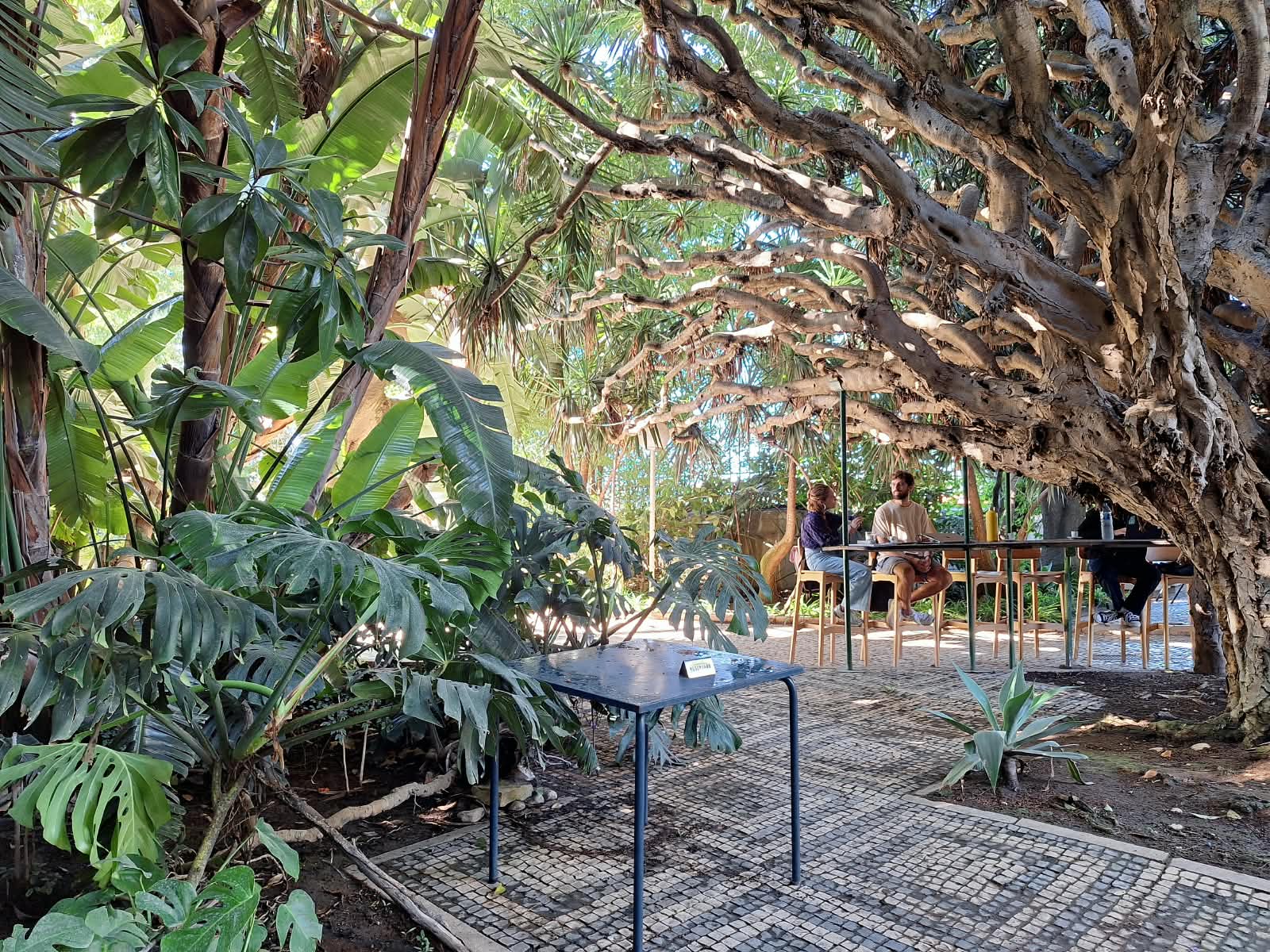
The Junta de Freguesia de Arroios wants to turn the space around the Mercado do Forno do Tijolo into a place where people can sit out a heatwave for free. The area covers about 3,600 m². Turismo de Portugal, the national tourism board, describes it as a space long run by cars, with no shade, no plants and nowhere to stay. The plan adds canvas shades and pergolas, more greenery, benches and a drinking fountain. Part of the sealed paving comes up to make room for planting, and what's left will get a light colour so it soaks up less heat. The work costs about €75,000, and the tourism board pays almost €60,000 of it.
Arroios signed its contract on 13 October, together with Praia de Mira, where three spaces will be fitted out for about €114,000, and the motorhome stop at Valdujo in Trancoso. The three grants add up to about €210,000. By 21 October, 59 applications had come in since the fund opened in August, Jorge Ambrósio, who heads the board's communications department, told us. The rest were still being assessed, which left about €790,000 for them. Only câmaras municipais and juntas de freguesia can apply, and the grant covers 80% of the cost, up to €75,000 per applicant. There's no closing date, so bids are taken until the money runs out, but work has to start within eight months of signing.
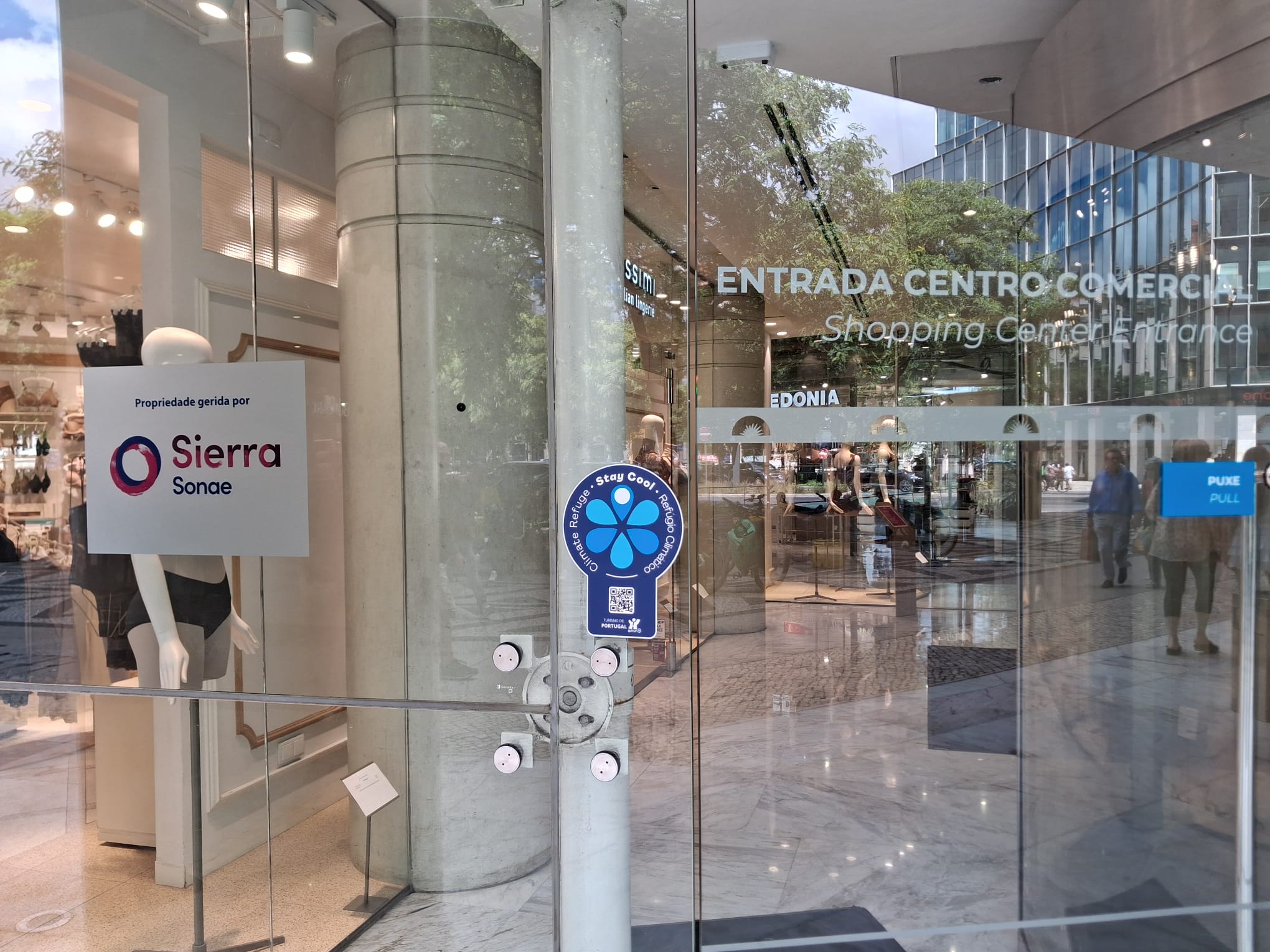
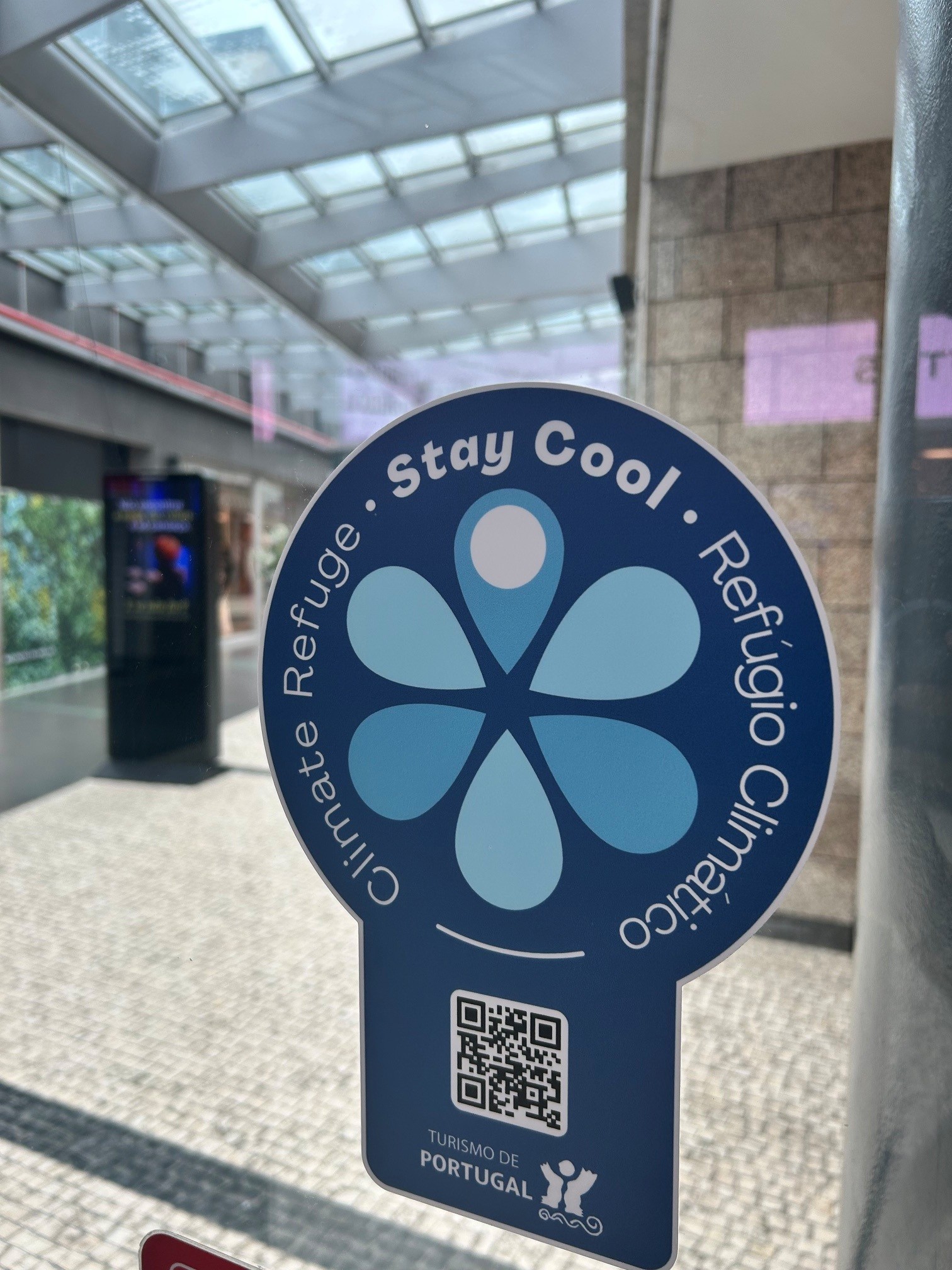
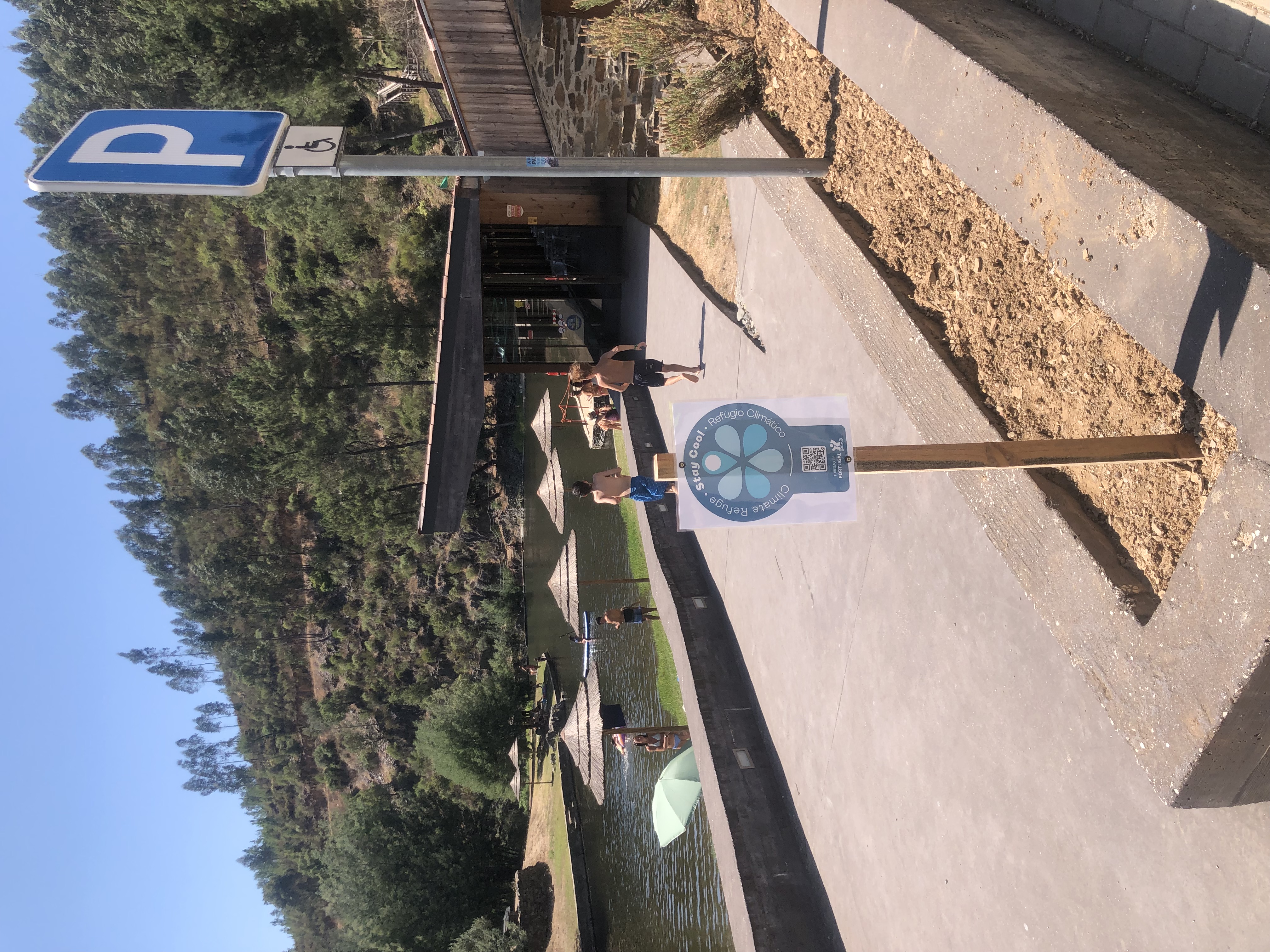
To join the Stay Cool network, a place has to be free to enter, with no need to buy anything, and open from at least 11:00 to 17:00 on the hottest days, or longer during heat alerts. Indoor spaces must stay between 20 and 27°C. Outdoor ones need real shade plus something that cools the air, such as dense planting or water. Seats and drinking water are required too, and applicants sign a statement that their space qualifies.
Spain set up its network in a different way. In July its government opened more than 180 of the state's own buildings as refuges, as part of a proposed national pact on the climate emergency. They'll open every year from 15 May to 30 September. Councils, companies and associations can add their own spaces using a national guide, and the ministry's map already shows about 1,100. Portugal's rules speak of the hottest days, not fixed dates.
The Portuguese network is wider than the fund. On 21 October it had 228 registered refuges, a mix of public buildings and private spaces open to the public, such as the Goethe-Institut in Lisbon. Hotels, libraries, museums and shopping centres can sign up for the Stay Cool seal, but they don't get any money. The map at refugiosclimaticos.turismodeportugal.pt doesn't yet show every refuge, because each entry has to be checked first. The board plans to improve both the site and the map before next summer.