Learning from the masters in old building techniques
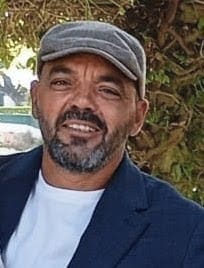
For the Portuguese eco constructor Bruno Gomes, working with earth became a lifelong passion and a way of rebuilding his life.
Bruno Gomes runs Eco Construções Portugal from Fafe, in the Braga district. He learned eco construction in the Netherlands, Japan, Turkey, Abu Dhabi and Mexico before bringing the work home.
Raised in a poor and violent neighbourhood in Lisbon, he lost both parents to cancer when he was 11, his father in April and his mother in October of the same year. He lived with a foster family, and went to school at Casa Pia, where he learned cabinetmaking. Bruno says: "It had nine schools, and was created to give orphans and children from the street a future, a better future. The big minds in that time, professors, they all went there to teach the kids, so it became a high quality school."
At 14 he started working on building sites, carrying buckets of cement up seven floors. He was still carrying the traumas of his past. After a life-threatening situation, he knew he had to make a big change. Bruno recalls: "I looked to myself, to really deep inside of me, and I saw just darkness. And I saw just one very tiny light, which I glued to my mother, like the light of my mother. But it was so small."
At 18 he left Portugal to work in construction in the Netherlands as a formwork carpenter. There he was introduced to clay building for the first time, and found his passion in the material that would shape his life.
Bruno wanted to learn from traditional builders, so he spent several years travelling and working. He earned his money in Austria, working in a hotel, and after a few years he spent half of every year studying natural building elsewhere in the world. The first of those years took him to Japan, where he learned traditional timber construction and earthquake-resistant roofs. He also studied Feng Shui there, and learned more from Chinese people he met in Austria.
His travels then took him to Turkey, where he met Yusuf, a Sufi and a goat herder. Yusuf let him sleep in his house, which he called his temple, and gave him one meal a day. In return Bruno helped with the herding, and later with restoring the adobe houses in the village. When Bruno became arrogant, Yusuf sent him to sleep outside until he was calm again. Bruno says: "He was strict, but he also gave me a lot of what I needed."
One of Yusuf's teachings was to walk with your heart, talk with your heart and think with your heart. Bruno recalls: "And because I was green, I would say, oh yeah, sorry. But I walk with my feet. I think with my head. I cannot think with my heart. I think with my brain." Only later did he begin to understand what Yusuf meant. Bruno says: "There is so much that I apply today that was given by him."
The forgotten mixture that made his adobe stronger
In Oaxaca, Mexico, Bruno joined a group of natural builders drawn from several countries, exchanging techniques in adobe, rammed earth and lime plaster, and learning new methods of earth construction from each other.
There, he and his group were finishing a hostel for a client. One day they left a batch of adobe mixture behind, covered with plastic, and came back four or five days later.
"When we turn back, I open it and it was like very smelly," Bruno says. "The mixture, it was not different materials joined together, but just one material itself. Then I realised, well, something happened here very beautiful." He cut into it. He describes what he found in one word: butter.
He decided to make adobes from it. There is a standard site test for a well-made adobe. Two are laid down with a gap between them, a third is placed on top, and someone weighing around 80 kilos steps onto the middle of it. If it holds, the adobe is good. "But with these adobes, we were two on the top and we were pressing, and the adobe didn't break," Bruno says. He has worked that way ever since: mix, cover, leave it, then build.
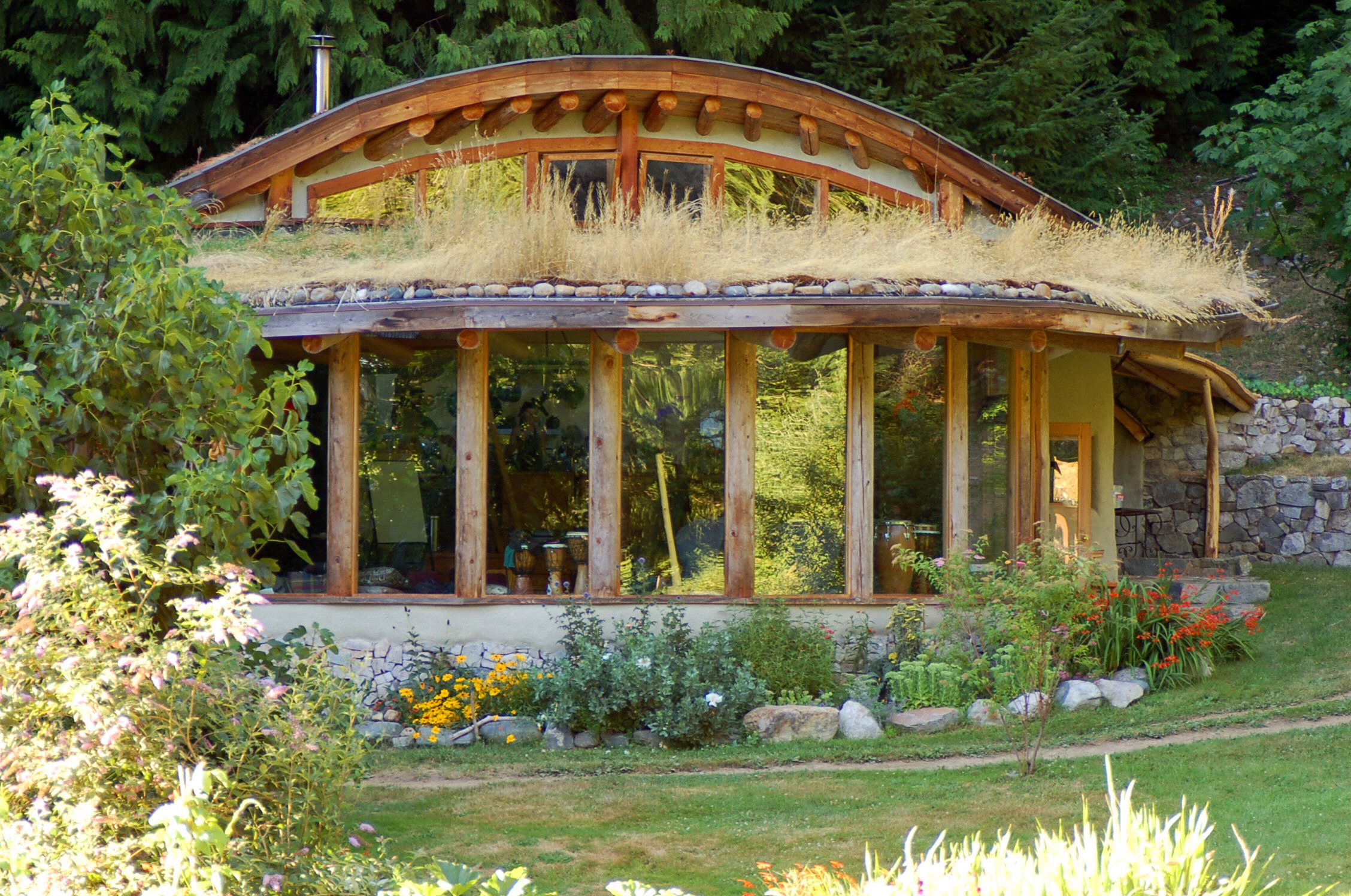
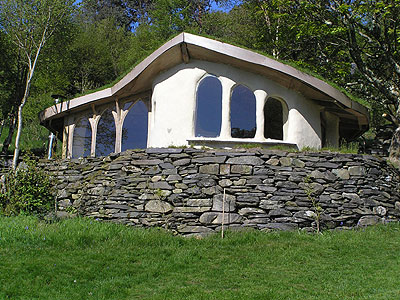
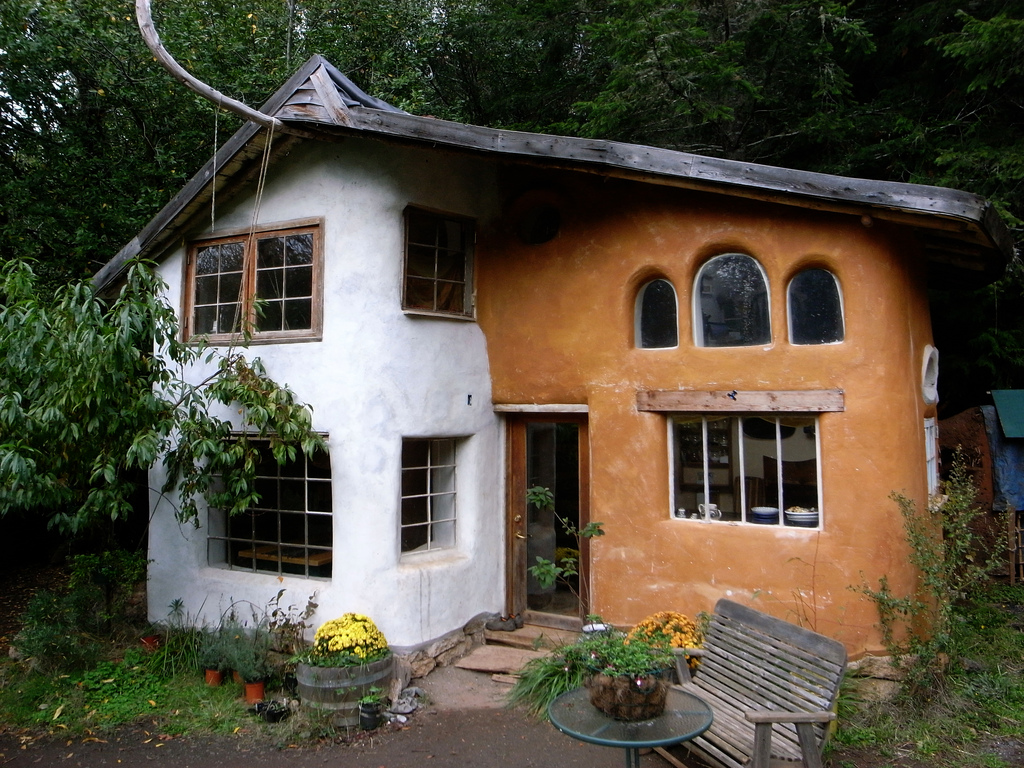
After Mexico, Bruno felt the call to return to Portugal and bring what he had learned back to his own country, where he built up his company as an eco constructor. His materials are clay, lime, stone, timber and glass, and he will not use tyres, cans or aluminium. He accepts concrete foundations, plumbing and wiring because those are required to get a building approved. Bruno says: "One thing that they don't let you cross, it's foundation. But above that, then it's my world."
When someone tells him the rain will wash a clay wall away, which is exactly what he thought himself the first time he heard of it, he points at Aveiro. "Aveiro, it's built in adobe, and it's extremely, extremely wet. Because of the ria there is a lot of water everywhere, even below the soil. And it's like door to door with the ocean." The old buildings are still standing.