LPN bought 1,800 hectares of Castro Verde to save its birds
In the open landscapes around Castro Verde, you can’t separate conservation from agriculture. For the Liga para a Protecção da Natureza (LPN), protecting biodiversity means working with farmers and finding ways for people and wildlife to share the same landscape.
Founded in 1948, LPN is the oldest environmental NGO in the Iberian Peninsula and has been working for almost eight decades to protect Portugal’s natural heritage.
The organisation grew from its first campaign to save the Iberian lynx into a nationwide operation covering bird protection, environmental education and legal advocacy.
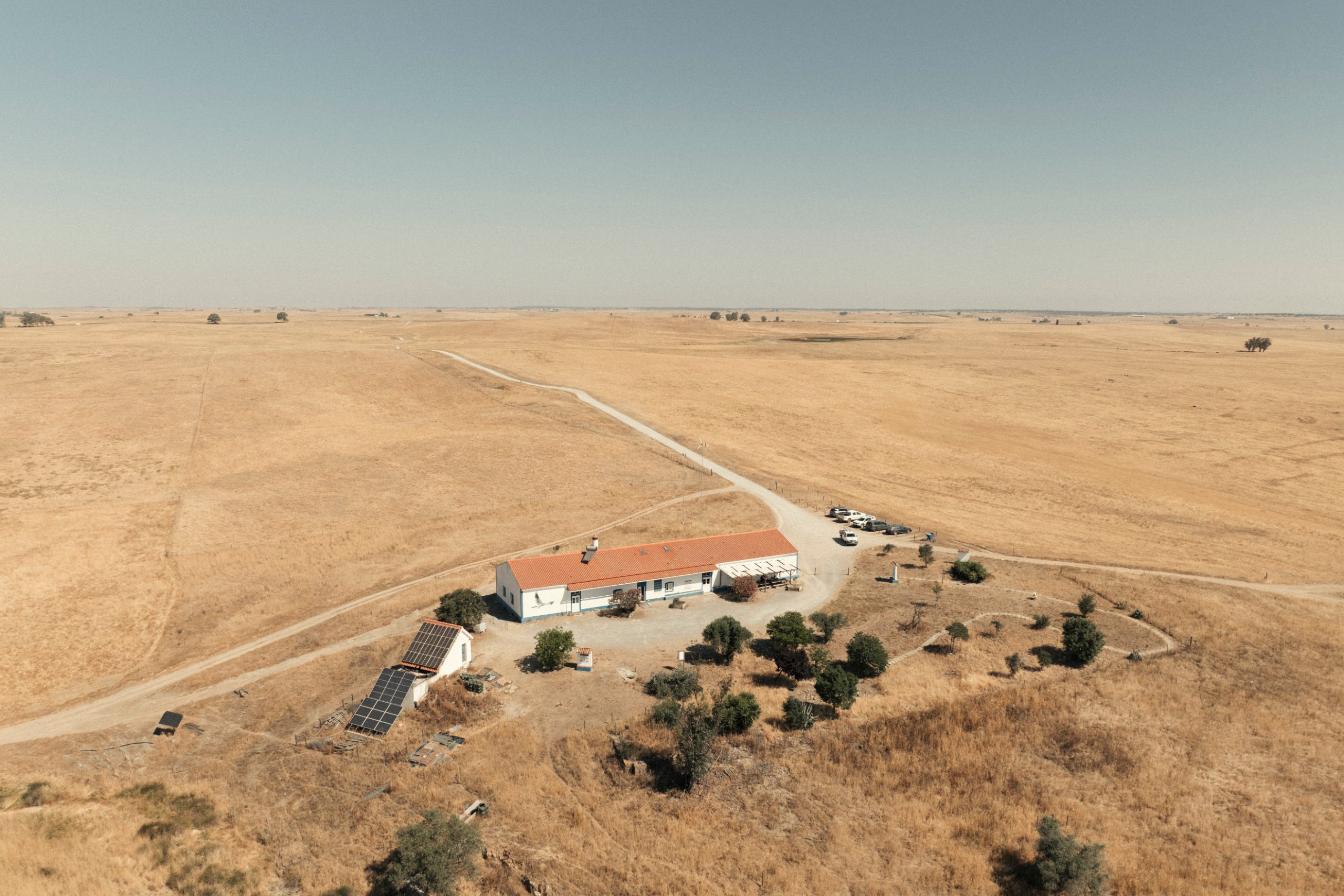
Castro Verde is where that work is most concentrated. In the late 1980s and early 1990s, using European Commission funding, LPN bought six properties covering around 1,800 hectares, to keep them out of the hands of companies buying land in the Alentejo to plant for cellulose. These areas now form the core of the Castro Verde Biosphere Reserve and are a refuge for steppe birds.
The landscape, dominated by cereal fields, supports species including great bustards, little bustards and Montagu’s harriers. The cereals provide nesting and foraging habitat.
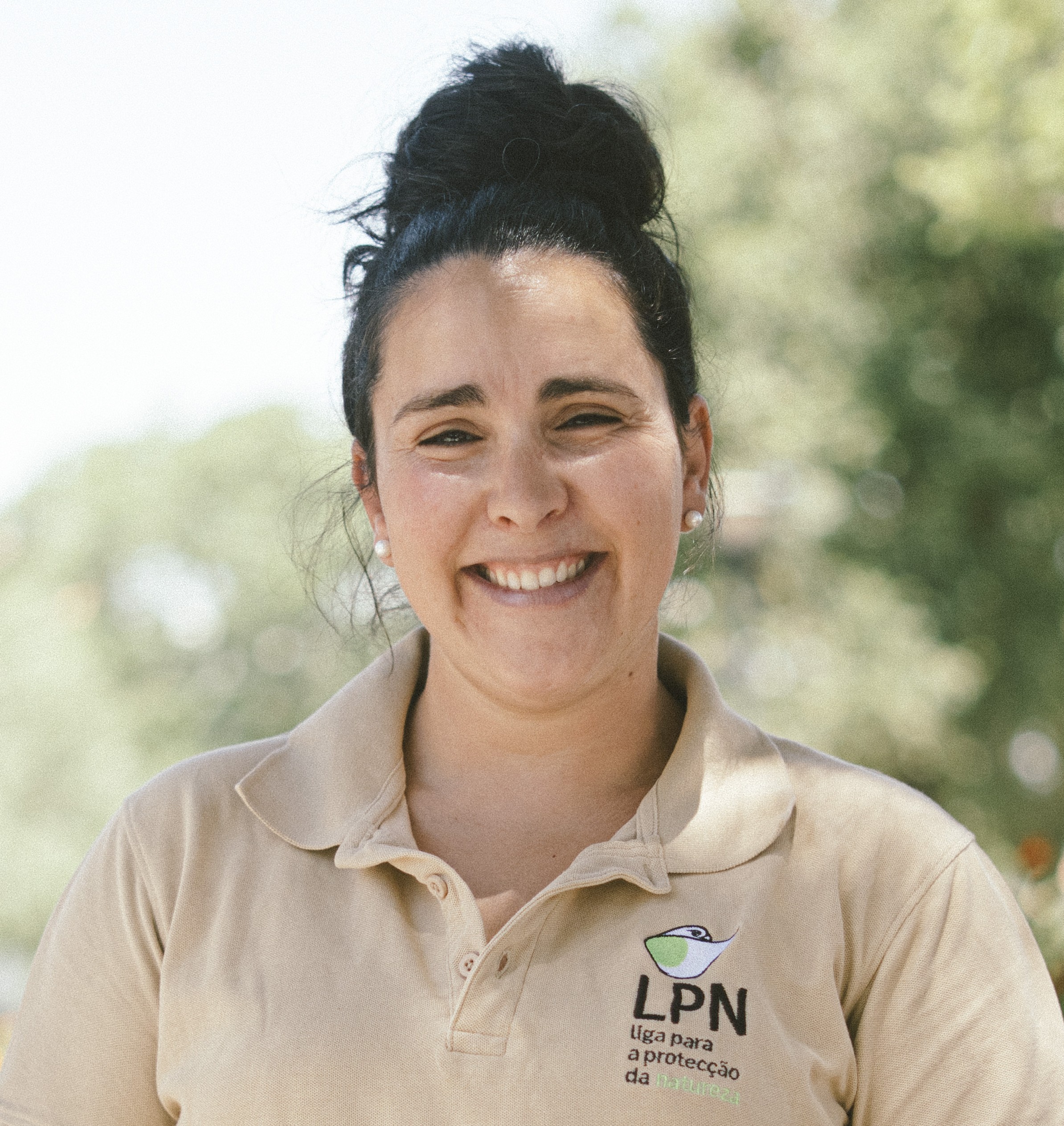
Estrela Matilde, LPN’s executive director, explains: “We still have the biggest populations in the country in Castro Verde, and we are trying to protect these species. These species are 100% dependent on agriculture. If agriculture disappears, these species will disappear as well.”
Farmers manage LPN’s land under agreements that include conservation rules.
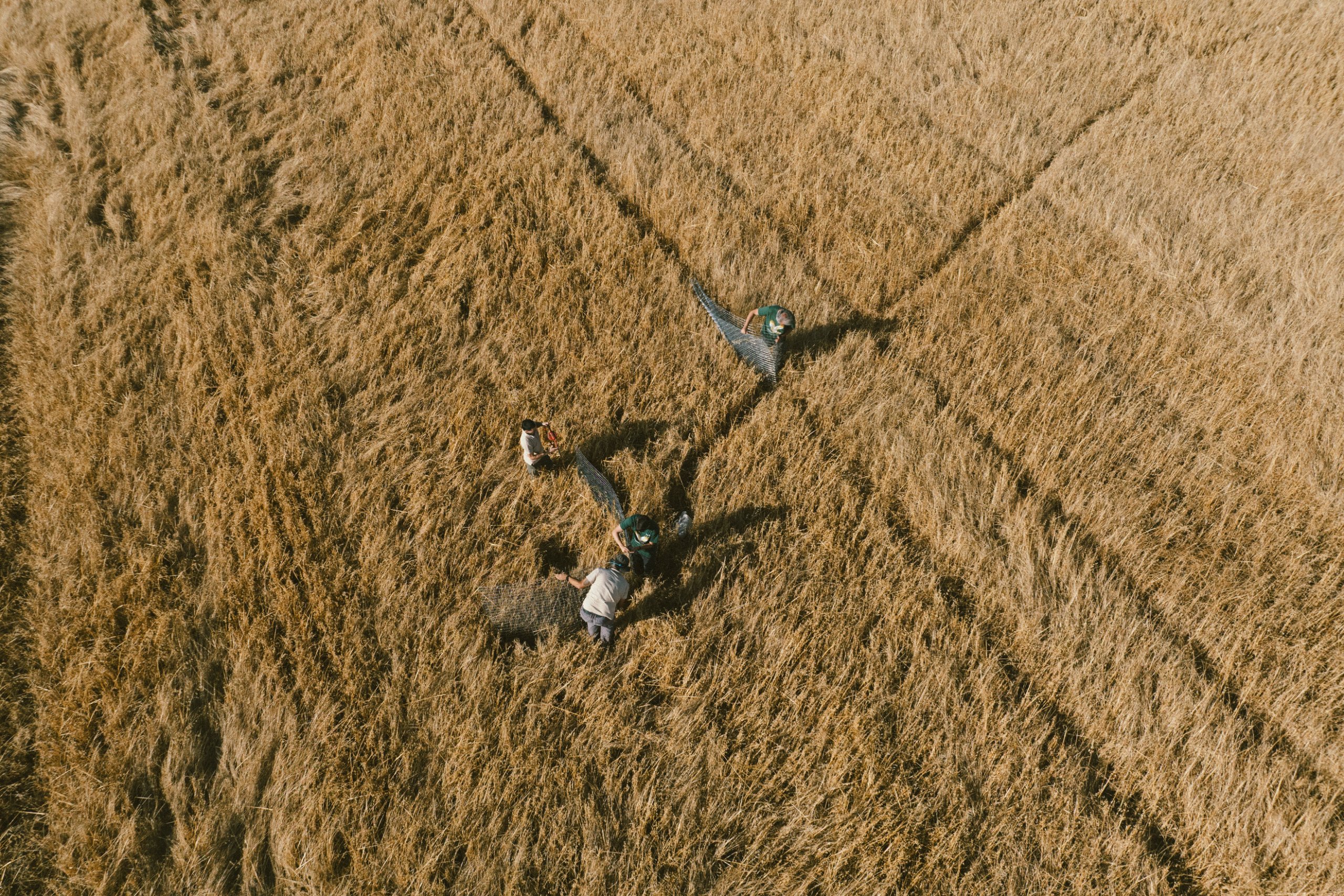
LPN runs a dedicated programme for the Montagu’s harrier, a threatened bird of prey that nests directly on the ground in agricultural fields.
The nests are destroyed when machinery harvests the cereal. LPN’s field teams monitor the population, identify nests and work directly with farmers. When a nest is found, the farmer is asked to leave about one hectare around it uncut, and receives compensation through EU agri-environment payments.
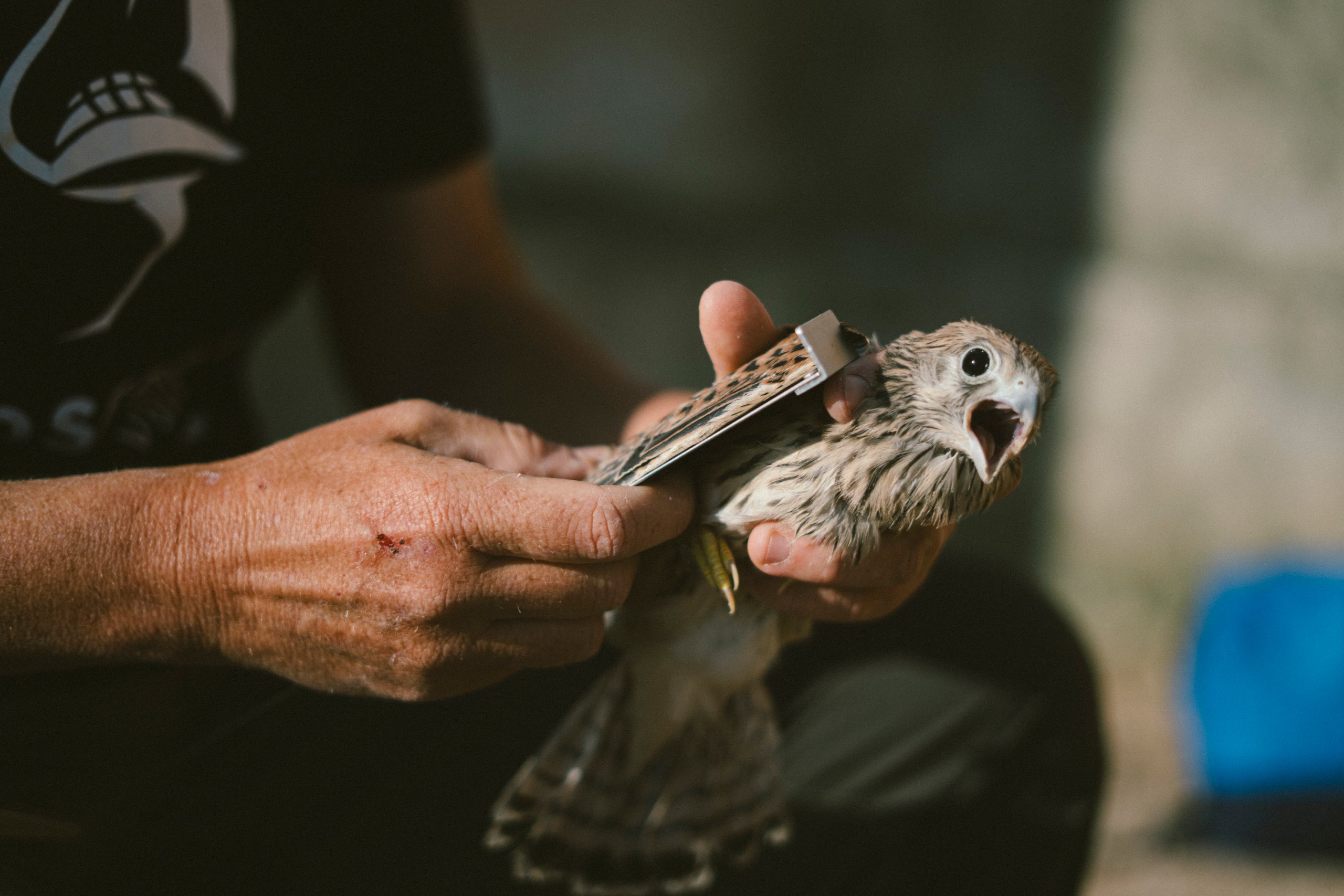
This season LPN identified around 60 nests and protected more than 30. When nests cannot safely remain in the fields, eggs are incubated in Olhão before the chicks return to Castro Verde, where they develop their skills before being released into the wild.
Despite these conservation efforts, the broader trend for Portugal’s steppe bird populations remains deeply concerning. The most recent national census of the little bustard (sisão), published in June 2026, estimated a decline of around 90% since 2006, even within areas specifically protected for the species.
Estrela says: “We are in a moment of urgency to protect these species.”
LPN also works on black vulture conservation, and coordinates a project with the grid operator E-REDES to cut bird deaths on power lines. Burying the most critical lines is one option the two are exploring.
The organisation runs environmental education across the country, and intervenes in environmental impact assessments and court cases where it believes ecosystems are at risk. As Estrela explains: “Intervention is invisible work, which has a great impact.” Much of it rests on scientific research and cooperation with universities and other environmental organisations.
LPN seeks new income amid EU conservation funding uncertainty
LPN’s projects have relied on the European Commission’s LIFE programme for more than thirty years, the only European financial instrument dedicated exclusively to the environment and climate action. It covers 65–75% of project costs. The rest LPN has to find itself, every time. Now the model threatens to change.
Estrela explains: “European funding always follows European priorities, and right now neither the environment nor conservation are among them.” She notes that environmental NGOs depend heavily on these funds to operate. “Unfortunately, our sector lives off this funding, and this instability puts at risk both our work and the impact we can have.”
As executive director, Estrela is responsible for LPN’s overall strategy and organisational management, overseeing fundraising, institutional partnerships, human resources and governance across the organisation’s national work. A key focus of her role is strengthening LPN’s financial sustainability, working to reduce the organisation’s dependence on project-based funding so it can operate with greater long-term stability.
“We need to manage an organisation as a business as well,” Estrela says. “We need to generate a surplus, as we are a non-profit, to invest in conservation.”
The strategy is to diversify income, through private funding, corporate partnerships, paid educational services, and tourism around birdwatching and wellness.
One initiative, still just a dream for now, is at Monte do Paraíso, one of LPN’s Castro Verde estates, where 200 to 300 hectares have burned. LPN would like to find an investor to turn the ruin there into a small hotel for birdwatching and wellness. “We don’t want to do tourism ourselves,” Estrela says. “That’s not our expertise.” Tourism, she argues, should and can be a tool to pay for conservation.
LPN is starting a new project, funded by La Caixa, to develop a network of observatories for birdwatching and photography, on its own land and on farmers’ land. The project is approved and funded, and starts in September. This is a new model of territorial development, built through an increasingly close partnership with local communities: the project itself is the development model, and the observatories are the tool. By creating year-round attractions they generate new income streams for local businesses, helping combat seasonality, while also delivering a socioeconomic contribution to the region and to scientific knowledge, through citizen science. The benefit, as Estrela puts it, “goes directly to the farmers” who keep the habitat and protect the species.
But tourism also has to be managed carefully. Uncontrolled visitors can disturb nesting birds, potentially undoing conservation work.
LPN therefore wants to train and certify guides, establish best practices and develop tourism that benefits rather than damages the landscape.
LPN was the first environmental organisation to go through Nova SBE’s LeapFrog capacity-building programme, and Nova students drew up the market analysis and business plan for Monte do Paraíso.
“We need to be able to continue our work,” Estrela says. “Our mission is to protect our ecosystems and to protect the species, and to make sure that we have the resources to do it.”