Nature rights campaign sees a role for Portugal’s baldios
A European citizens’ initiative to give nature legal rights is collecting signatures in Portugal, led here by a young group working on the Tagus estuary. A campaign text suggests the baldios, the country’s shared common land, could help speak for nature, and the body that represents them is open to it as long as local people keep their say.
Since 13 October, any EU citizen old enough to vote can sign a European Citizens’ Initiative called Rights for Nature. It asks the EU to treat rivers and forests as legal persons, as it does with companies, and to let people act on their behalf. Spain did much the same in 2022. After more than 600,000 people backed a citizens’ bill, the Mar Menor lagoon became a legal person. The EU plan needs a million names by 13 October 2027, about 15,000 of them from Portugal, where 493 people had signed by 19 October. Even if it gets there, Brussels only has to give a formal answer and doesn’t have to write a law.
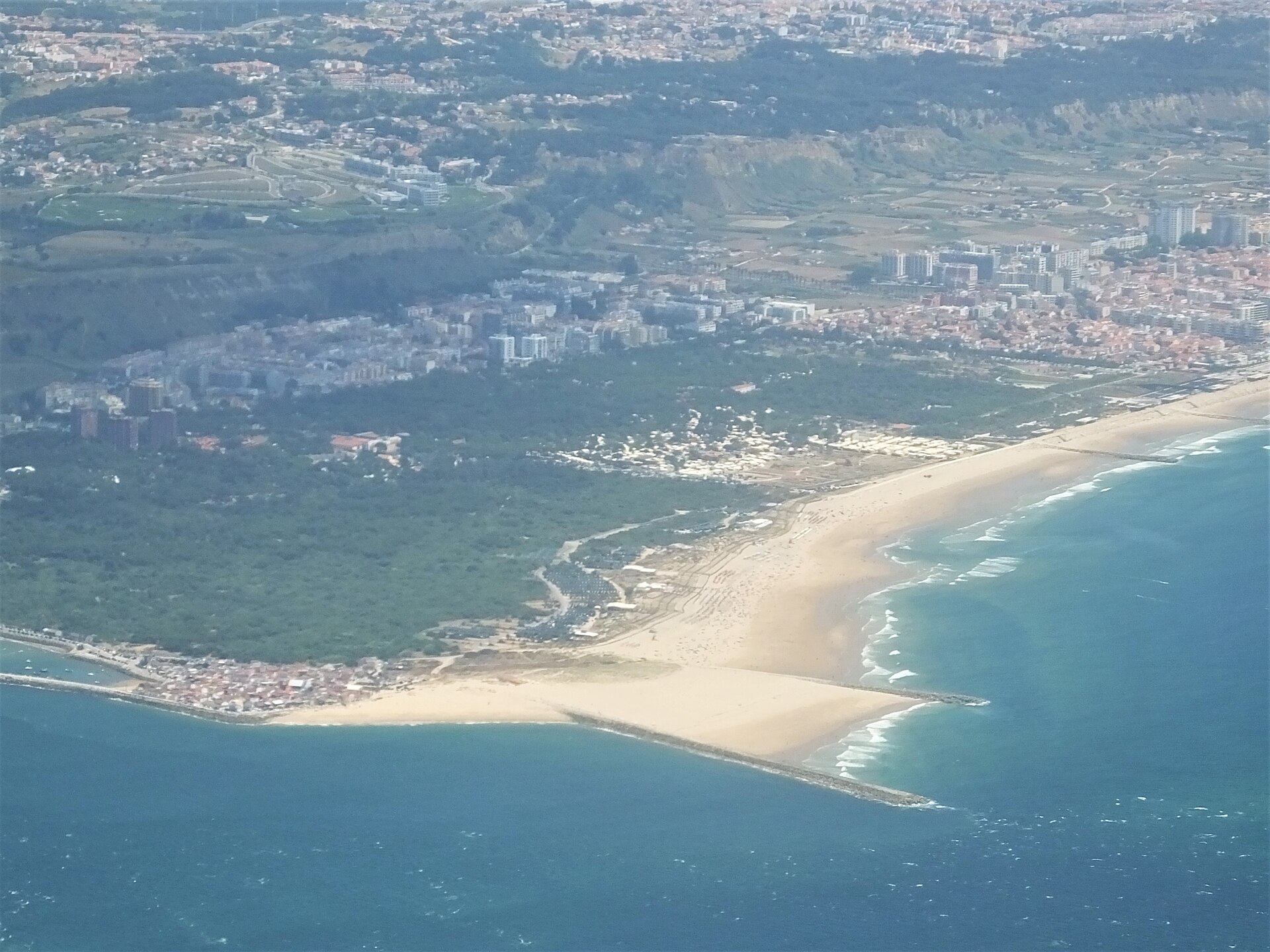
Here, the work is led by Sandrine Lage of Associação Atlantique, with help from Gil Penha-Lopes and Duncan Crowley. She set up the group to back the campaign. She’s doing a PhD at Sorbonne Université on how people and sea animals can share the same places. Living by the Atlantic, she saw the coast at Costa da Caparica and Trafaria change, with litter on the beaches and plants lost from the shore, and that’s what made her want to turn her research into local work. She’d start in Trafaria Bay, where the Tagus meets the sea. She wants to hear from the people who live there, fishers above all, about what they’ve seen change, and to work with schools so that children get to know the wildlife nearby. For now she does it all unpaid. Support grows, she told us, when the idea means something in daily life, such as “the water around them, the coastline they walk along, the species they encounter and the future of the places they call home.”
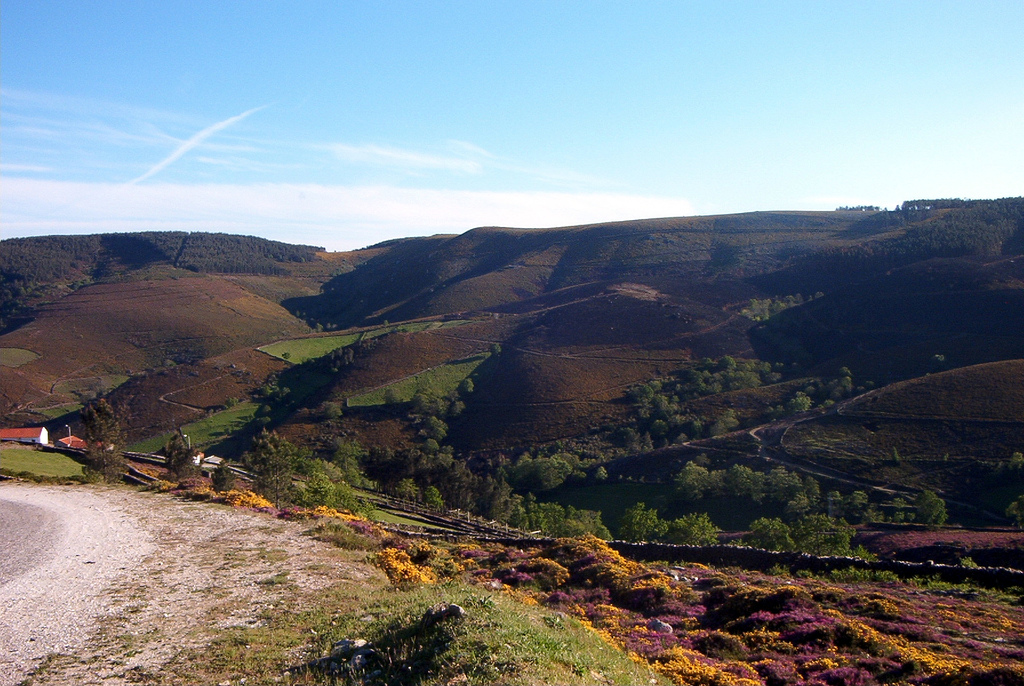
A campaign text on Agroportal, from 18 October, adds a second idea. It points to the baldios, the common land that local people, the compartes, run through their own meetings. It says their voice could help speak for nature when plans for forests, tourism, energy or water affect the land. It calls this a proposal and says new laws would be needed.
BALADI, the national federation of baldios, says that as far as it knows it hasn’t been consulted, and it has no formal position yet. Its president, José Castro, sees the idea as relevant and compatible with shared ownership, as long as it doesn’t weaken the rights of the communities that have long managed this land. “Baldios are not ownerless territories, nor spaces lacking governance,” he said. “They are community property, recognised in the Constitution, with title-holding communities and their own democratic bodies.” Lage agrees that any plan for the baldios “would need to be developed through dialogue with the communities concerned”.
Even the size of the baldios is unclear. Official figures run from 392,000 to more than 550,000 hectares, and a study from March, which Castro helped write, mapped 595,000.
Signing takes about two minutes on the European Commission’s website.