
Portugal after dark: the hidden world of moths
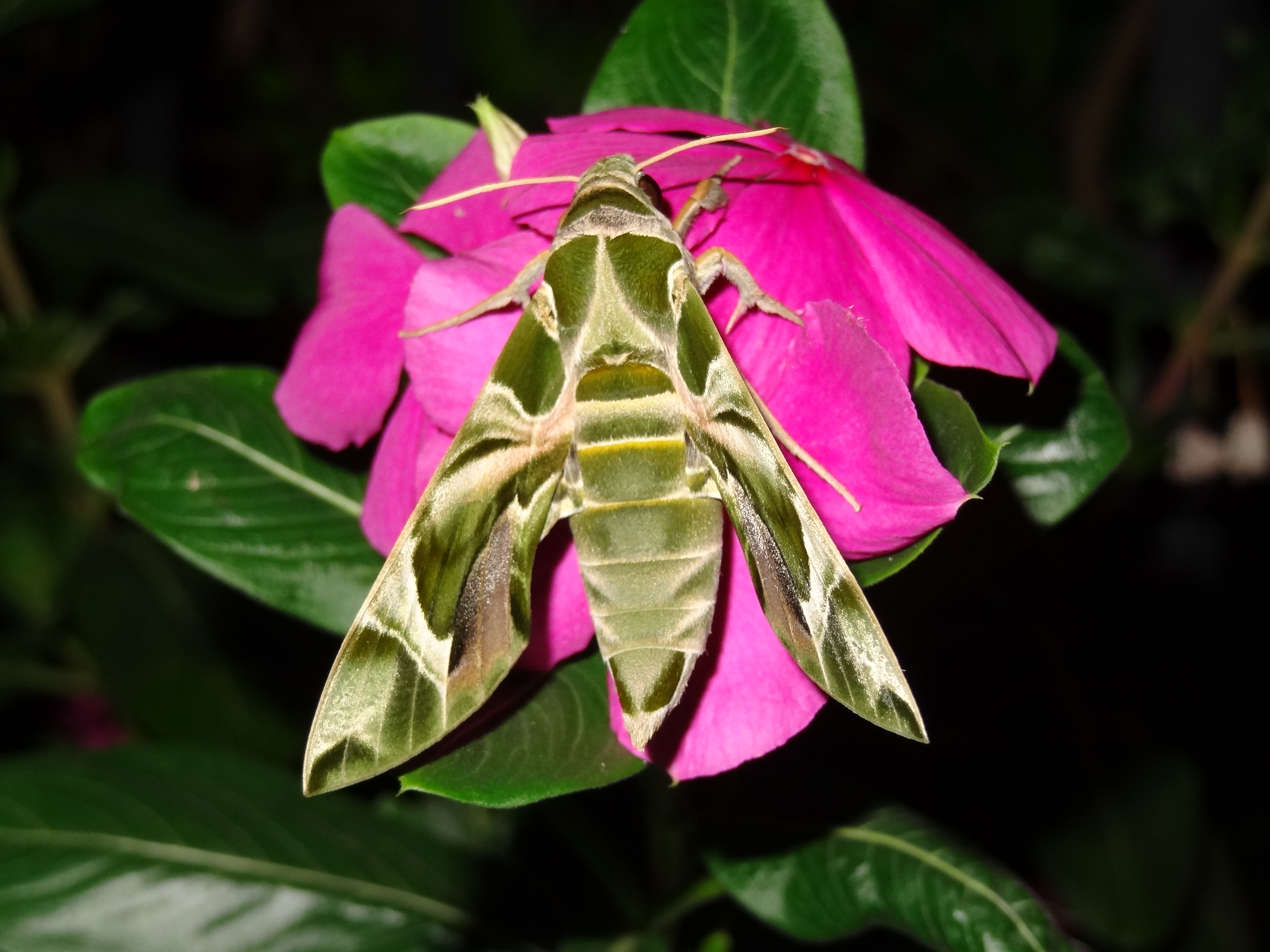
When night falls in Portugal, pollination carries on. Bees and most butterflies settle down for the night, but moths take over part of the work, carrying pollen through gardens, dunes and woodland while the rest of us are indoors.
Moths have been monitored at A Rocha's Cruzinha field centre in the western Algarve since 1991, and more than 600 species have been recorded there. Research at the same site gives some idea of what they're actually doing after dark.
In one study, scientists collected 257 moths from 95 species and found pollen on 196 of them, or 76%, together carrying more than 9,000 grains. That works out at three moths in four. The pollen came from at least 26 plant families, which suggests they're working across a wide range of flowers rather than a favourite few.
They tend to visit pale or strongly scented flowers, which are easier to find in low light, and pollen sticks to their bodies as they feed and travels with them to the next flower.
A new name on the Portuguese list
One moth has just brought fresh attention to this hidden world.
In August 2026, entomologists Eduardo Marabuto and Albano Soares published the first confirmed Portuguese records of the oleander hawk-moth, Daphnis nerii, in the journal Zoodiversity. It's a large Mediterranean species, 9–13 cm across, olive-green with pink and white markings.
They describe five Portuguese observations between 2014 and 2024, one of them a record from Montijo in 2018 that showed the species had bred locally. That doesn't yet mean it has settled here.
The oleander hawk-moth is a strong migrant that can reach Europe from warmer regions, so the researchers are careful to say that more observations are needed before anyone calls it resident. Its arrival still raises questions worth asking. Warmer conditions may be making western Europe easier to reach, and more people watching with better cameras means unusual visitors are more likely to be found and reported.
See them for yourself
Moths are easier to watch than you'd think. A bright light pointed at a white sheet after dark will bring several species in and hold them long enough to photograph and identify.
There are guided options too, and two are coming up: Lagoa has a moth-watching evening on 18 September 2026, and the Sagres Birdwatching & Nature Festival runs moth activities alongside its bird programme on 2–5 October. You don't have to know a single species before you turn up.
Your photographs can feed into research, because citizen-science platforms such as BioDiversity4All take sightings with a date and location and help researchers build a better picture of where species occur.
Gardens help too. Flowering plants provide food, and switching off unnecessary outdoor lighting gives moths a better chance of reaching those flowers instead of circling a lamp all night.
Go outside after sunset and look at the wall beside an outdoor light. There's more happening in Portugal after dark than we usually see.