Torres Novas moves to annul the biomethane approval it gave in 2025
Torres Novas council has voted to start cancelling the planning opinion it gave an €18 million biomethane plant at Árgea, saying it breaks the town's master plan. In Ferreira do Alentejo, where pomace plants have drawn complaints for years, a €20 million plant fed partly on olive pomace is open for comment until 25 November.

The vote in Torres Novas was unanimous. On 18 November the council began cancelling the "prior information" it gave in May 2025, under the last council, to the plant Gasdaterra wants to build at Árgea, in the parish of Olaia e Paço. It's an early opinion on whether a project fits local planning rules. The council now says the report behind it treated the land as fit for building where the town's master plan (PDM) doesn't allow it, and that the plan bans this kind of energy plant on that spot.
Gasdaterra has 30 days to reply in writing, and if it doesn't, the opinion is void. The council will also report the case to the Public Prosecutor's Office and look at whether the town could face a claim for damages.
The €18 million plant would take about 100,000 tonnes of organic waste and animal slurry a year. A petition against the site got 6,000 signatures, and mayors from eight Médio Tejo towns have backed the protest over smell, lorries, water and homes close by. Gasdaterra told Lusa it chose the site after looking at others and plans odour control. A PSD councillor voted in favour, but said the last council had promised to change the rules so the plant would fit.
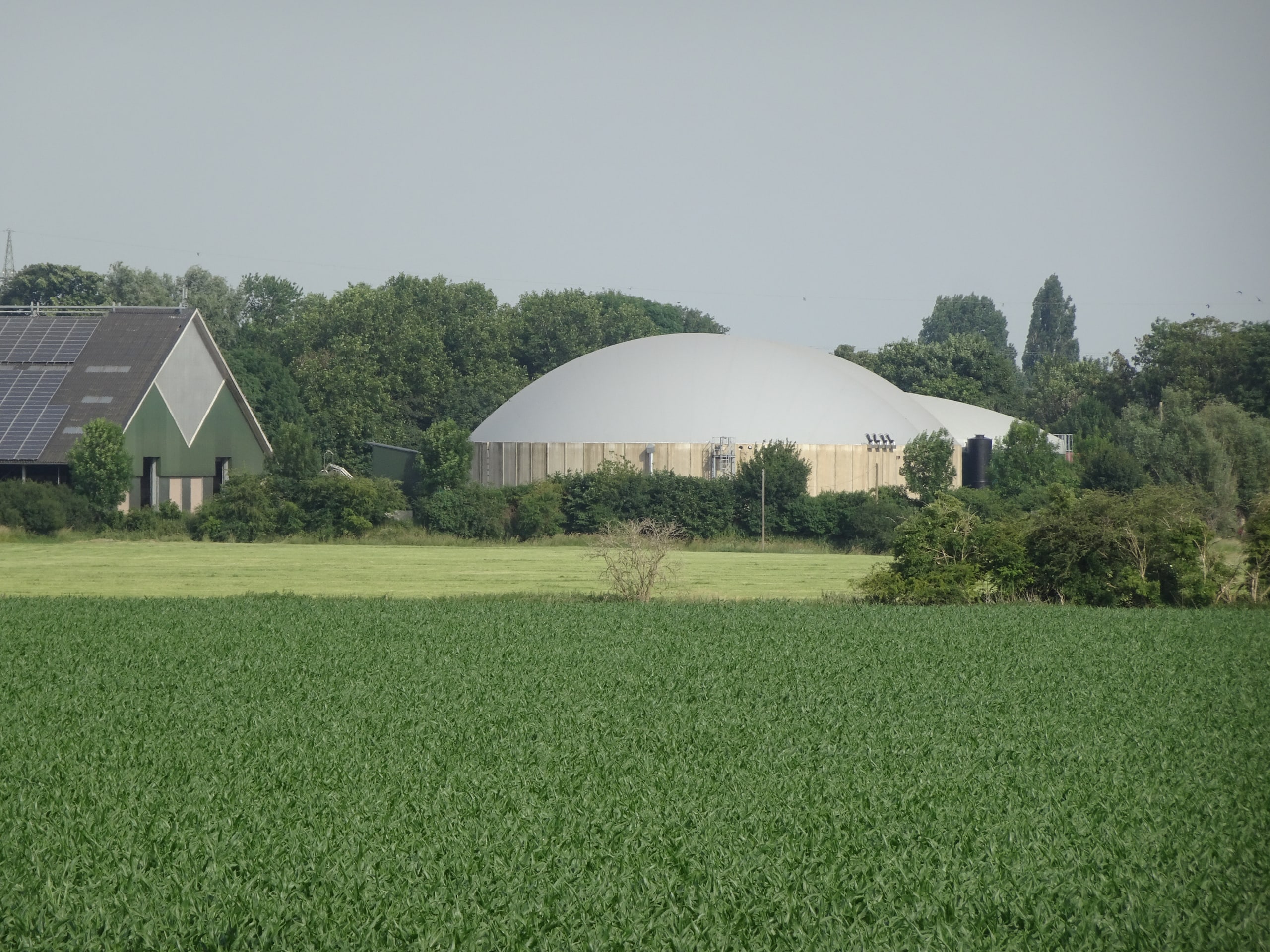
In Ferreira do Alentejo, a plant of the same kind is still open for comment. FBG Ferreira do Alentejo wants to spend €20 million on it at the Penique industrial park near Odivelas, feeding it up to 69,500 tonnes a year of cow manure, slurry and olive pomace, the wet pulp left once olives are pressed. It would make almost 4.9 million cubic metres of biomethane a year, which is gas from rotting farm waste that's been cleaned so it can go into the national grid. About 21 lorries a day would serve the site, and around 33 during the olive harvest. The firm's own study names odour, noise, CO₂ and traffic as possible effects.
The Penique park is already home to Casa Alta, one of three pomace plants named in a 2018 resolution in parliament that asked for quick action on pollution. Another, AZPO, sits about 300 metres from the village of Fortes, where people have complained for years. A second biomethane plant in the town, Capwatt and Nutrifarms' €25 million BioGreen LNG, went out to comment in February.
The case for these plants is that they turn waste that smells or pollutes into fuel, and the state is backing it, with the energy office DGEG counting 42 planned biomethane projects in April, 16 of them with public money. Whether the Penique plant would ease the pomace problem isn't answered in the reports we've read. The figures on its effects come from the firm.
Comments on the Ferreira plant can be sent through the environment agency's Participa website until Wednesday, 25 November. In Torres Novas, the next move is Gasdaterra's.