Alentejo opens 50 free walks and asks who will look after the paths
On 31 October and 1 November, town councils across the Alentejo will lead 50 free guided walks, one of which may end with a telescope while another doesn’t start until after dark. Two days earlier, the organisers meet in Gavião to discuss who keeps 2,480 km of footpaths open for the other 363 days.
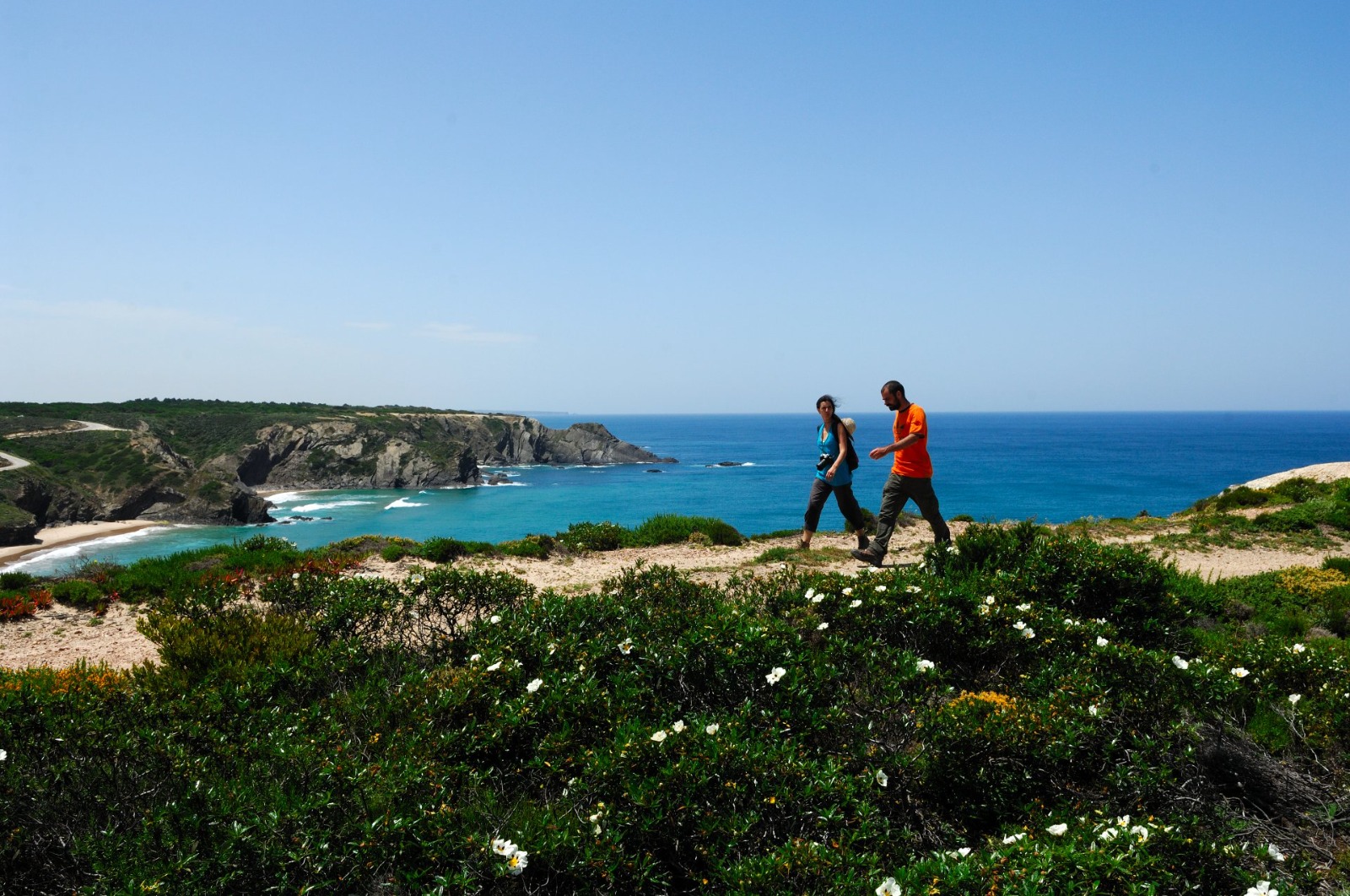
The Alentejo Walking Festival is run by Turismo do Alentejo, the regional tourism body, and each walk is led by the local câmara. It’s free, but you have to sign up for each walk separately on the festival website before 17:30 on 28 October. Around 600 had registered by mid-October, the organiser told us. That leaves plenty of room. The dune and rock-pool walk at Almograve, near Odemira, with a marine biologist, had 20 places instead of the usual 50 and is the only one that’s already full.
Lavre, near Montemor-o-Novo, walks into the cork oaks on Saturday morning. Ferreira do Alentejo’s olive oil route starts at the Lagar do Marmelo mill on Sunday, with a bus from the town’s bus station. Portel waits until 15:00 on Saturday, so walkers at Amieira on the Alqueva lake can stay on for a medronho tasting and, if the sky allows, a look through a telescope. Alandroal’s walk sets off at 21:00 on Saturday. On Sunday, Santiago do Cacém walks the first half of a Rota Vicentina stage, from Vale Seco towards Cercal, with a bus from the câmara at 8:30.
In this, the festival’s third year, the organiser counts 795 people in 2024 and 1,280 in 2025, and stresses that’s people who actually walked, not sign-ups. They come mainly from the Alentejo, the Lisbon area and the Algarve, it says, and Spaniards turn up regularly. There’s no independent count, and the organiser can’t say what walkers spend locally, beyond reports from the towns of busier restaurants and guesthouses. Its figures don’t separate them from other visitors.
The conference in Gavião is about the rest of the year. The region has 134 approved routes, and “creating a route is only the first step,” Pedro Beato, vice-president of Turismo do Alentejo, told us. “It has to be followed up regularly, and that takes resources, technical know-how and proper coordination between the bodies responsible.” Mostly that work falls to the councils. In the Alto Alentejo, the inter-municipal body CIMAA has launched a procedure for maintenance services on its Feel Nature network. Turismo do Alentejo has also joined Responsible Trails®, an audit system that assesses trails on safety, conservation, signage and information, and alerts walkers to possible problems. A trail only counts as an Official Responsible Trails® route once it has a valid published audit, which does not replace ongoing maintenance by the bodies that manage it.
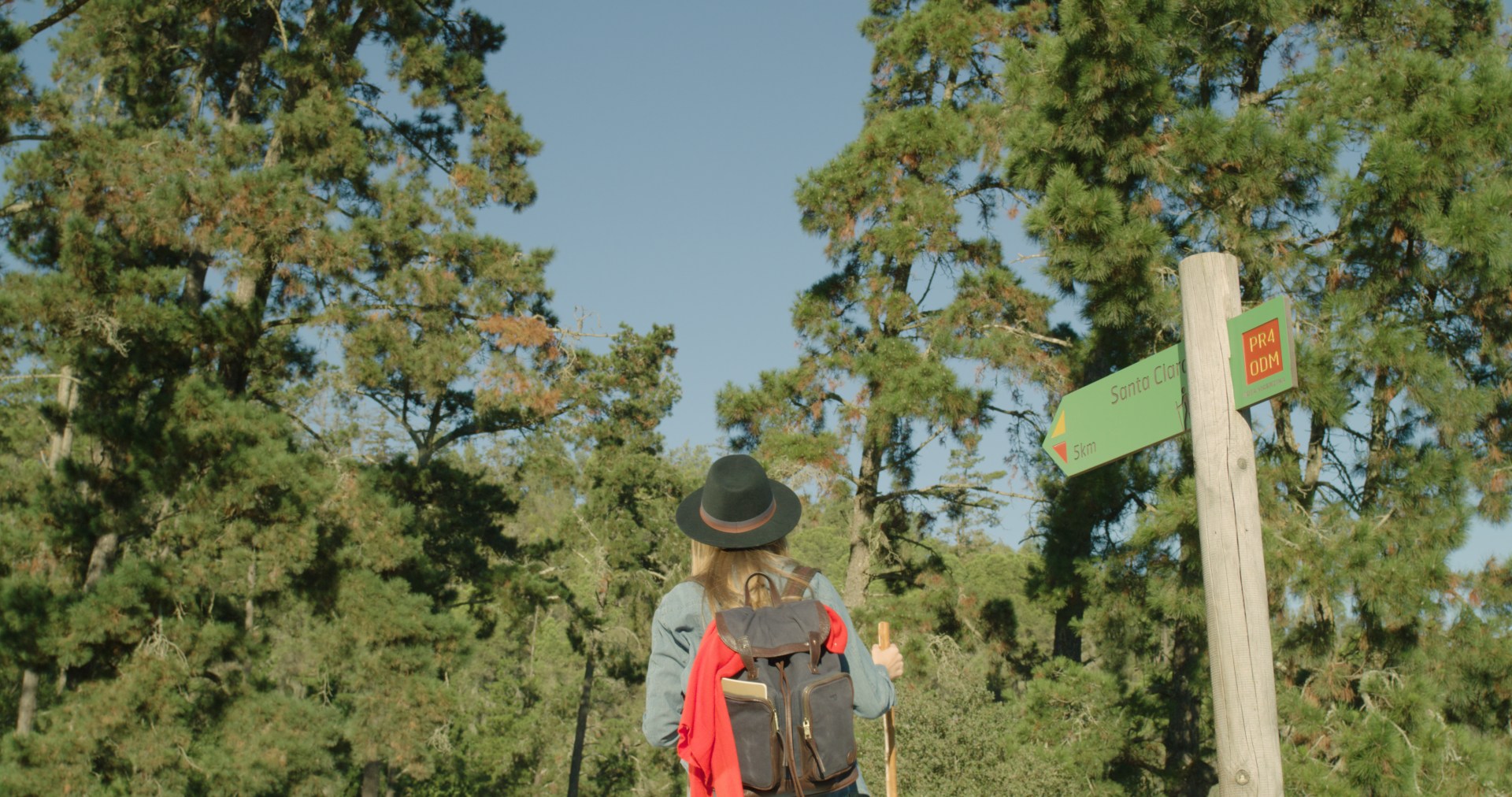
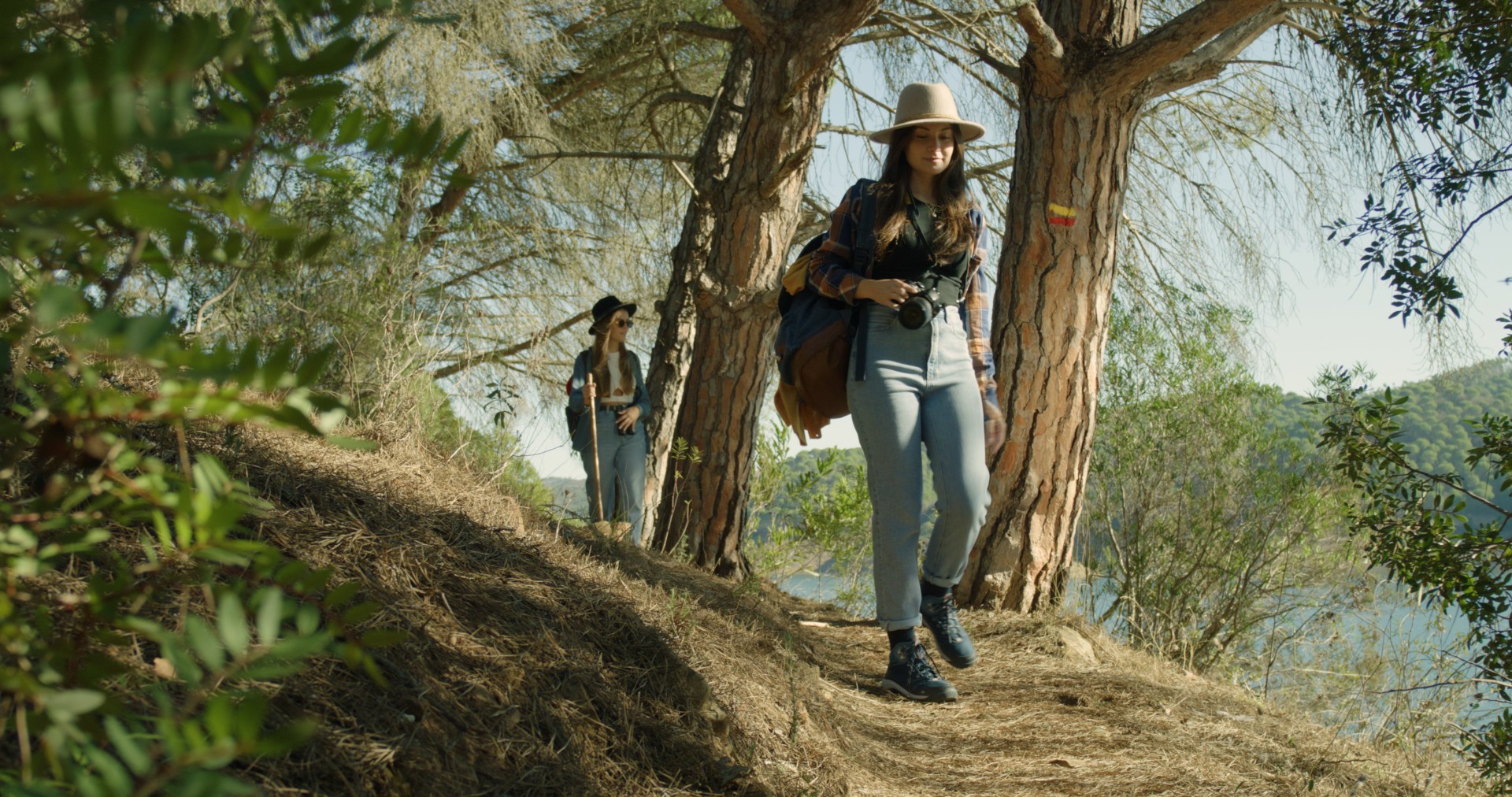
Whichever walk you pick, look out for the little painted stripes on walls, rocks and posts along the way. Somebody had to paint each one. On Alandroal’s walk in the dark, you’ll be grateful for every stripe, and for whoever has to keep them fresh.
On Sustainable Living
Rota Vicentina: 750 km of walking trails in the southwest of Portugal, with volunteer path maintenance in the autumn.