
Portugal faces a 2030 food waste target. Households are the challenge
New Eurostat figures put Portuguese households at the top of the EU’s food waste table. A binding EU target for 2030 is the bigger story.
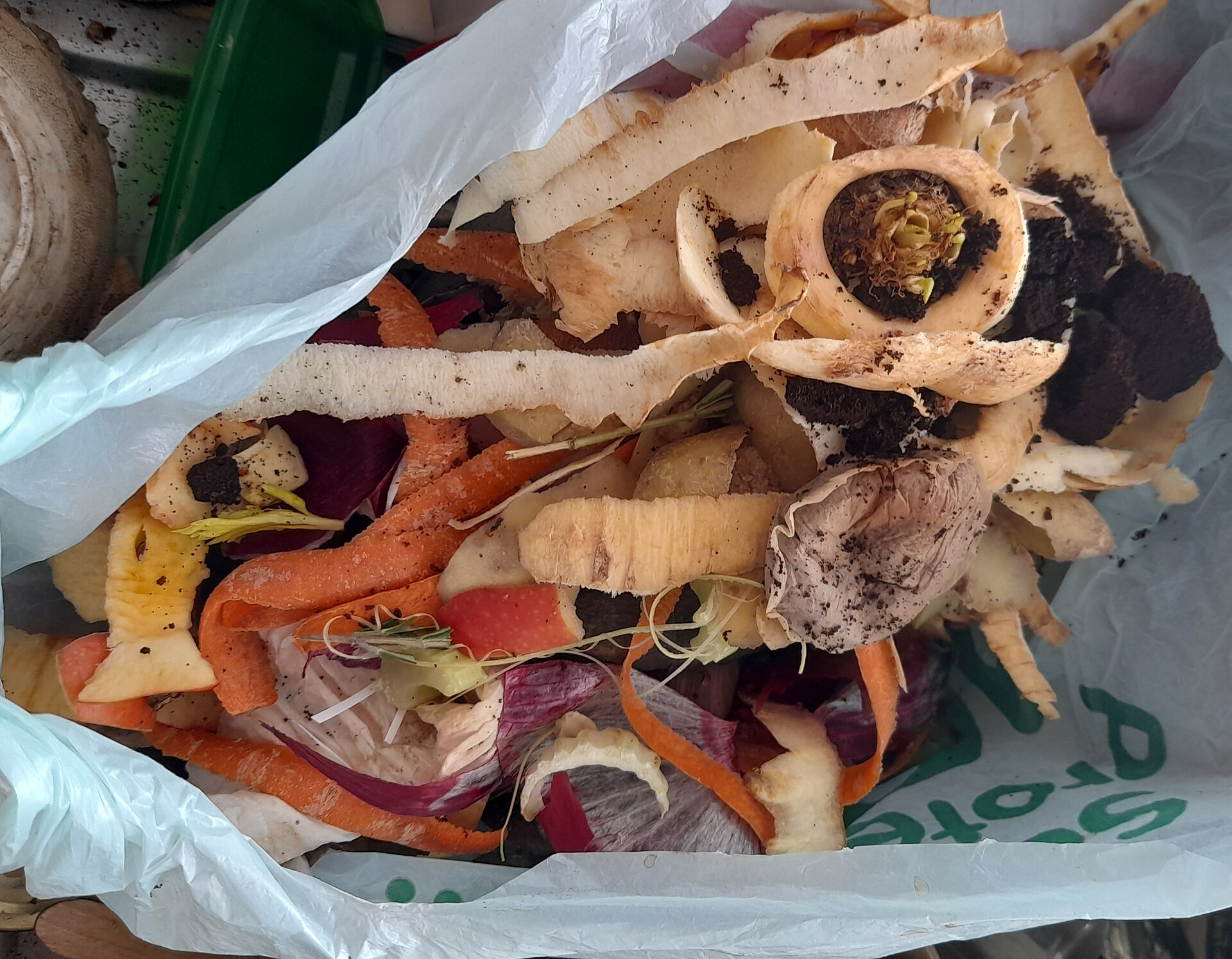
Portuguese households produced an estimated 105 kg of food waste per person in 2024, including parts you can’t eat such as peels and bones, according to figures that Eurostat, the EU’s statistics office, published on 29 September. That’s the highest of any EU country that reports household data, and well above the EU average of 69 kg. Italy comes close, with 103 kg per person.
That word estimated is worth a closer look. Eurostat marks every Portuguese number in the dataset as an estimate, and the household figure has hardly moved since 2020, when it was 107 kg. Comparing countries is tricky too, because Spain reports only 24 kg using a different definition, and three countries, Germany among them, are missing from the 2024 household figures.
There’s also a legal deadline that Portugal can’t ignore. A 2025 change to EU waste law says each country must cut food waste per person by 30% by the end of 2030, counting shops, restaurants and homes together. Food processing and manufacturing have a separate goal of 10%. The usual starting point is the average for 2021 to 2023, and our sums from Eurostat’s data put Portugal’s at about 141 kg per person, which would mean a target of around 99 kg. Countries can pick an earlier starting year under some conditions, so that number isn’t final. In 2024 the estimated figure was 144 kg, and homes made up most of it.
Tourism makes the sums harder in a country like Portugal. Food that visitors waste in restaurants and hotels counts towards the national total, but visitors aren’t counted as residents, so the waste is shared out over fewer people. The European Commission has until 17 October 2027 to set a correction for changes in tourism. That could affect how Portugal’s progress is judged.
Readers can do something about this today. Refood runs 60 local centres, staffed by volunteers, that collect spare food from local businesses and give it to people in need, and you can help for as little as two hours a week. Fruta Feia sells weekly baskets of fruit and vegetables that supermarkets turn down because of how they look. Prato Certo, a campaign by Associação In Loco, has a calendar of what’s in season, a list of local producers and practical tips on eating well while wasting less.