Portugal has 248,000 empty homes in liveable condition
Portugal counted 723,715 vacant dwellings in 2021, and around 248,000 of them are in good condition. Councils in Coimbra, Santa Cruz and Braga are each trying a different way to bring buildings back.
Portugal recorded 723,715 vacant dwellings in the 2021 census, counted separately from second and holiday homes. Around 248,000 of them are in good condition and not on the rental market, according to the European Commission's 2026 housing annex for Portugal, which cites research by the housing institute IHRU published in July 2025.
Empty doesn't mean available. The Commission points to houses caught in inheritance disputes, houses an owner is keeping for a relative, and houses held back while the owner waits to sell. Those are questions of ownership, and no amount of building work settles them.
Neglect is a separate obstacle, and Coimbra has gone after that one. The council has sent hundreds of notices to owners of degraded buildings in the Baixa, and mayor Ana Abrunhosa told the municipal assembly on 10 September that ten of those properties have started reconstruction.
Santa Cruz, in Madeira, is working from a count. Presenting the municipality's housing charter, urban planning engineer Pedro Ribeiro da Silva put the number of vacant buildings at 2,300, or 13% of the local housing stock. He argued that rehabilitating them could resolve the housing shortage there. In Camacha, a parish of the same municipality, parish president Ricardo Batista has asked for incentives to restore abandoned houses so that young people can settle.
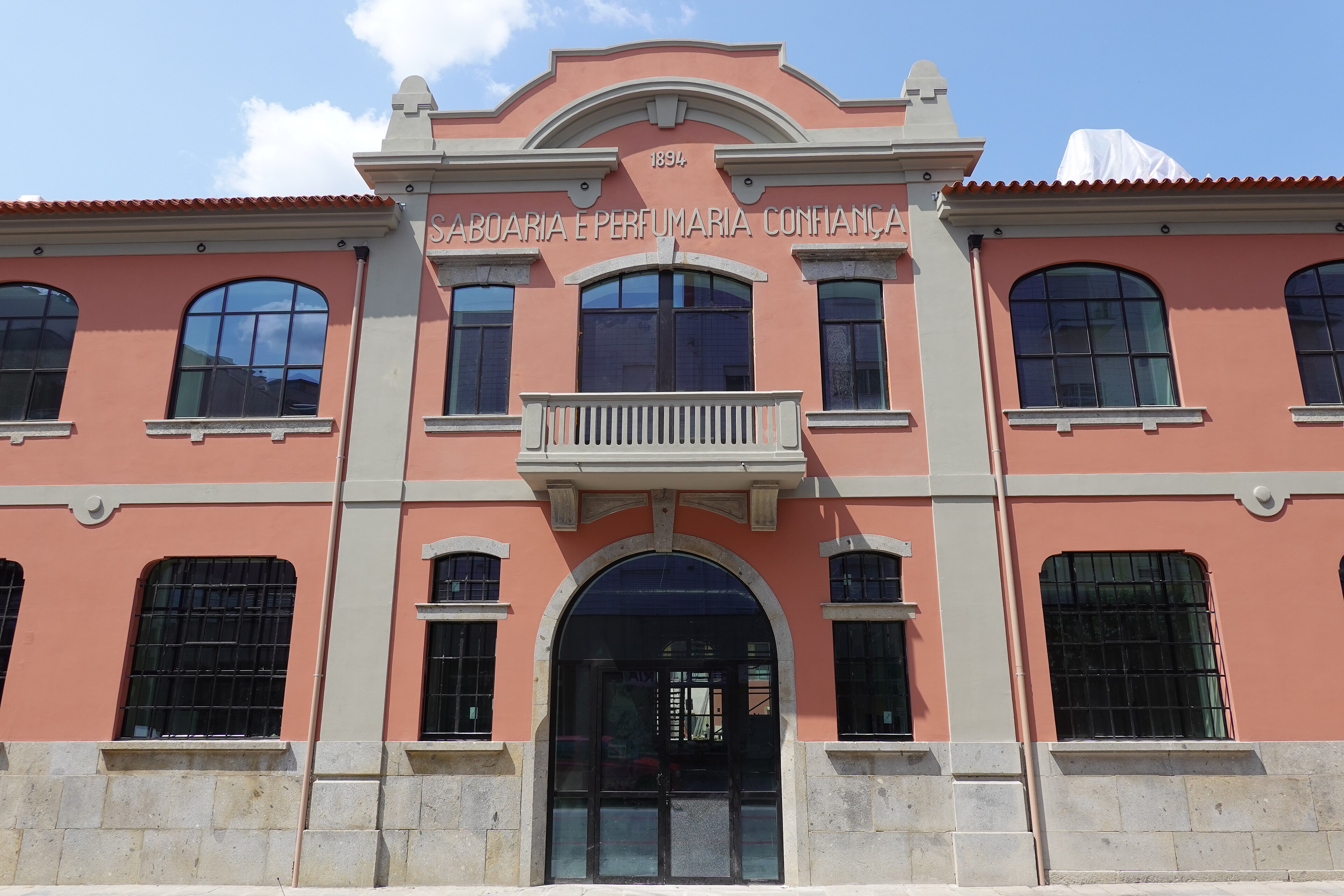
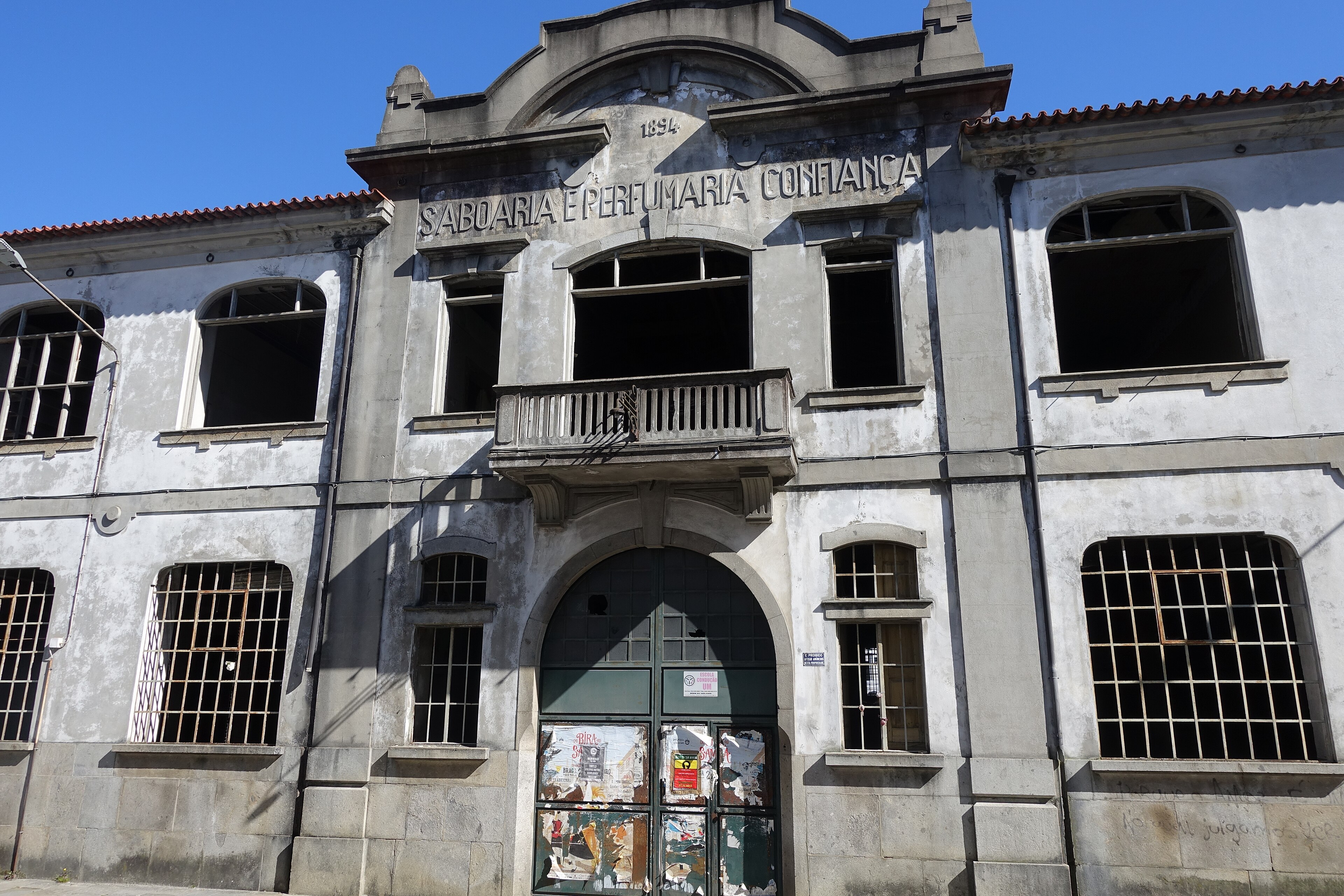
In Braga, one project has already opened its doors. The city council bought the former Fábrica Confiança in 2012 for 3.6 million euros. A later plan to sell it on to private buyers drew a citizens' campaign, and in October 2020 the soap and perfume works was classified as a monument of public interest. The council was therefore both owner and developer, which removed the obstacle Coimbra is still working on.
The factory closed in 2005 and hadn't been used since. It reopened on 10 September as a student residence with 786 beds, spread across the restored building and a new block on the same site. The construction contract went to the Braga firm Grupo Casais for 25.51 million euros. The University of Minho puts the total investment at more than 29 million euros, paid for through the national recovery and resilience plan.
Keeping a sound structure avoids some of the concrete and steel a replacement would need, along with the emissions from making them. The European Environment Agency set out that case in a 2022 briefing on renovation and the circular economy. The saving isn't automatic. Renovation needs materials and energy too, so what gets avoided depends on how much of the building stays.
Keeping a building also means knowing whether it is safe to keep. The government says it will present a framework for assessing seismic safety in existing buildings by the end of September, developed with the LNEC engineering institute. The Algarve, Alentejo Litoral, Lisbon and the Tagus Valley, and the Azores are named as the most exposed areas.
On Sustainable Living
Architects and builders who work on existing buildings rather than new ones: Renovation & Retrofitting, seven projects across Norte, Lisbon and the Algarve.
Read also: Learning from the masters in old building techniques