Two Portuguese health units start prescribing walks and classes
From October, family doctors near Porto can refer patients to exercise classes and cultural activities in much the way they prescribe medicine. In Barcelos, a trial is adding walks, aqua aerobics and two therapy dogs to treatment for depression.
From 1 October, GPs at three family health units run by ULS São João can refer patients to activities in their own community. The pilot starts at USF Valongo, USF Barão Nova Sintra in Porto and USF Alto da Maia, with the councils of Porto, Maia and Valongo. Options include pilates, cooking workshops and craft sessions, and a dedicated team helps each patient find something that suits them.
The referral is logged in the patient's clinical record, on a system similar to the one used for medicines and tests. It's meant for adults with stable health conditions, and it sits alongside medical care, not in place of it.
In Barcelos, the local health unit has started a smaller trial called AtivaMente, for adults with depression. Between 25 and 30 people will meet three times a week until 10 December for walks, pilates, mindfulness, aqua aerobics and traditional games. Two dogs trained by the association ÂNIMAS, Salvador and Lassie, take part in animal-assisted therapy sessions.
Neither project has results yet. Barcelos will evaluate AtivaMente when the 12 weeks are over. The reports on the São João pilot don't say how it will be measured.
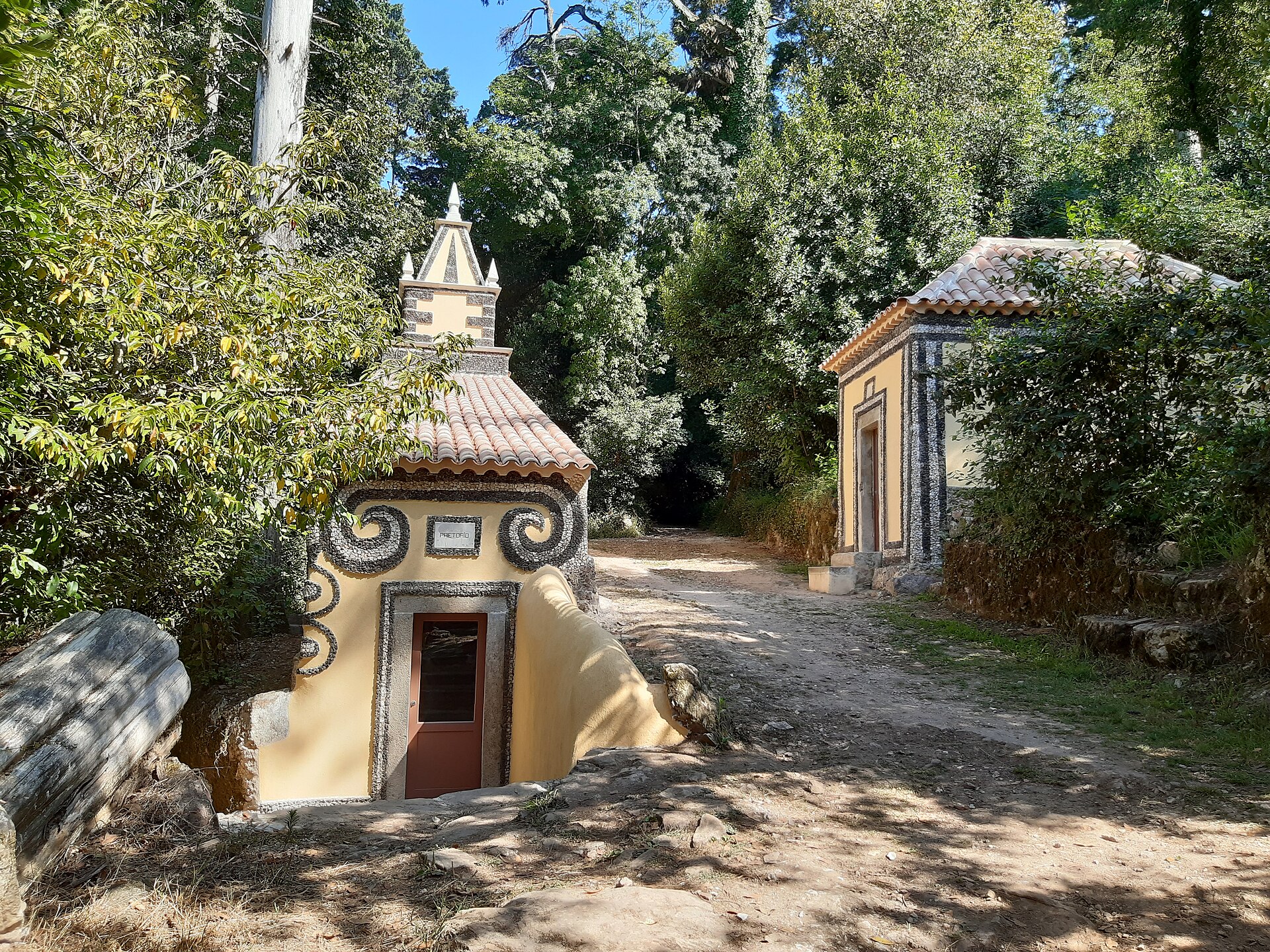
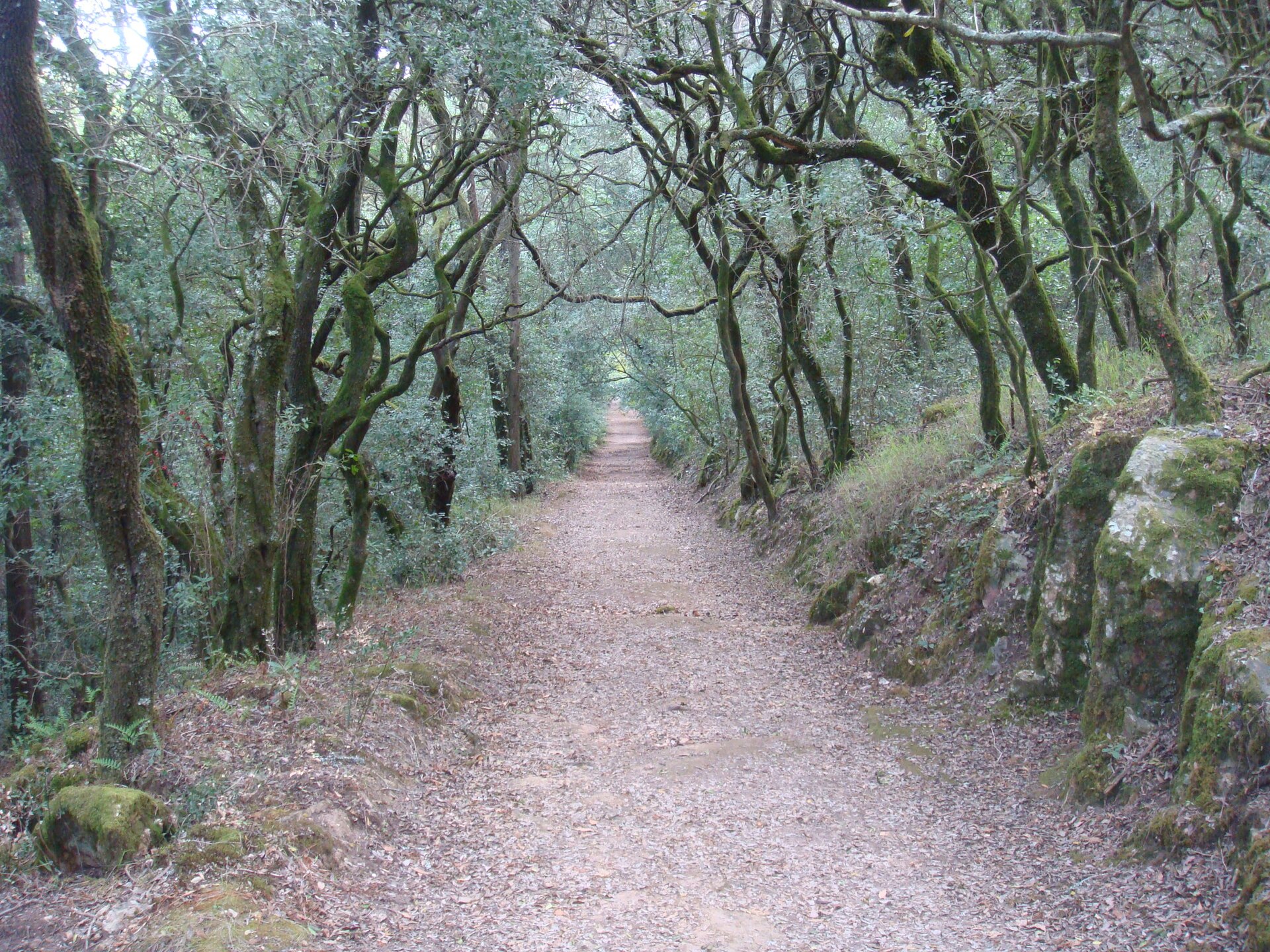
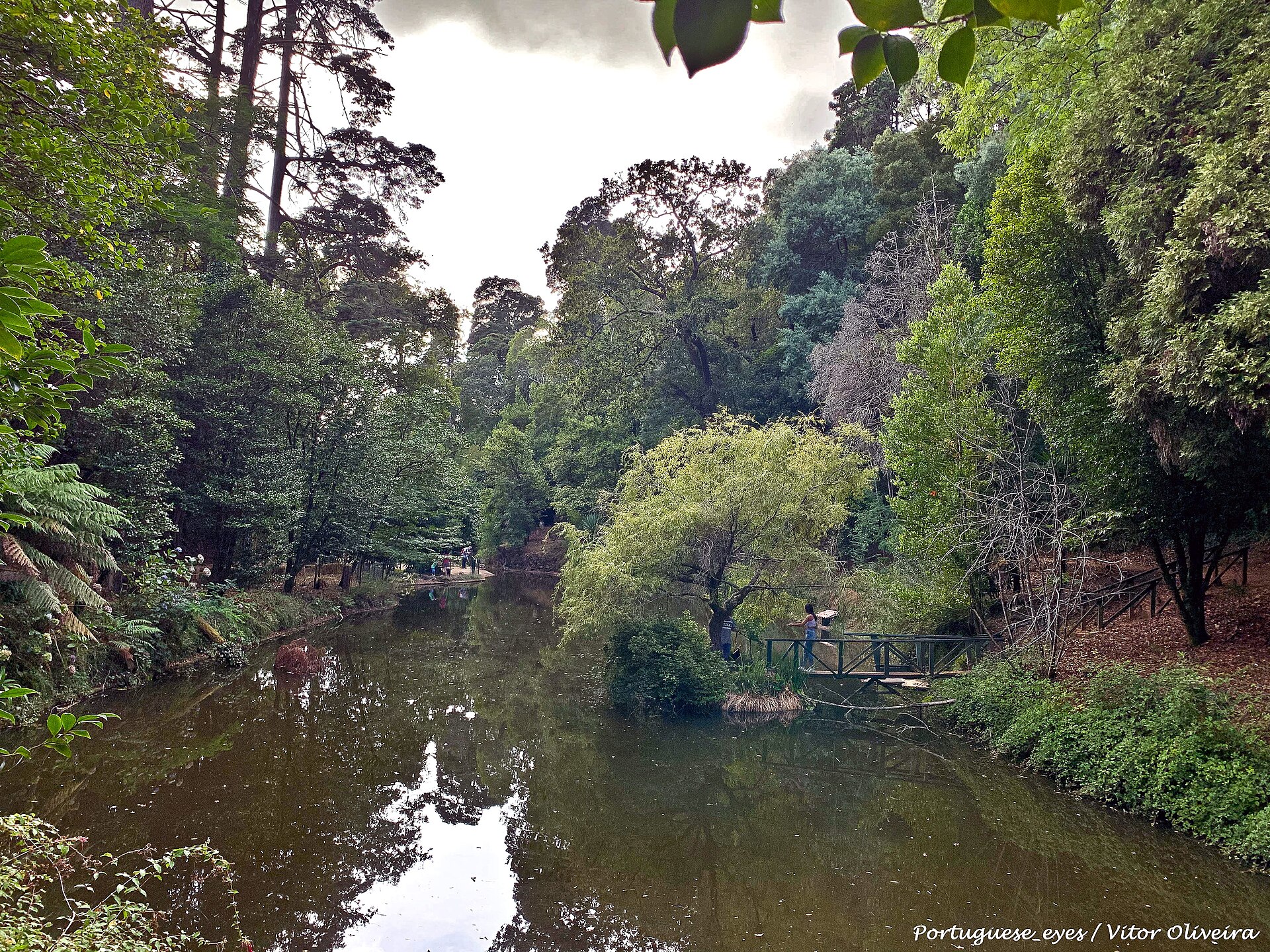
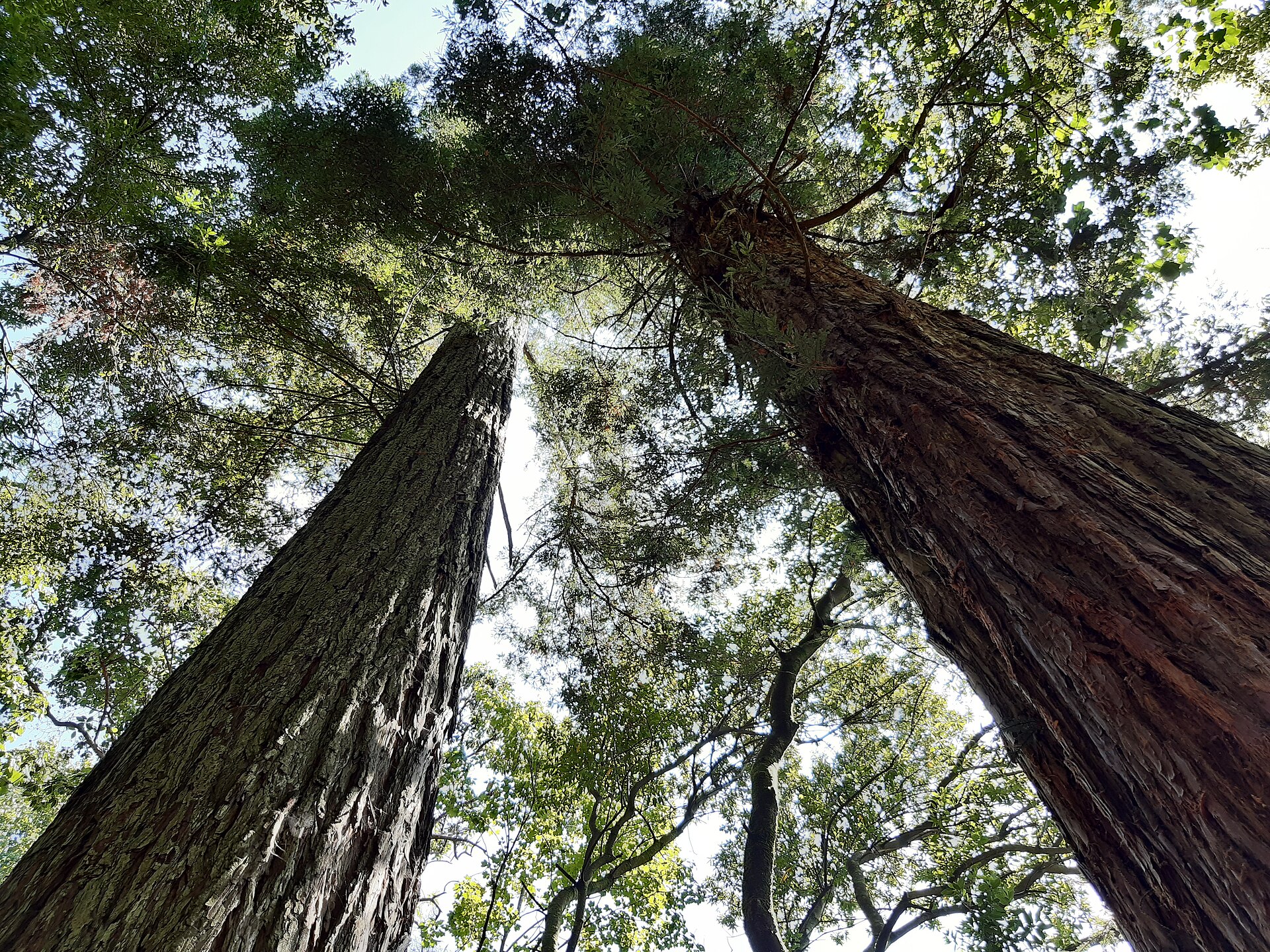
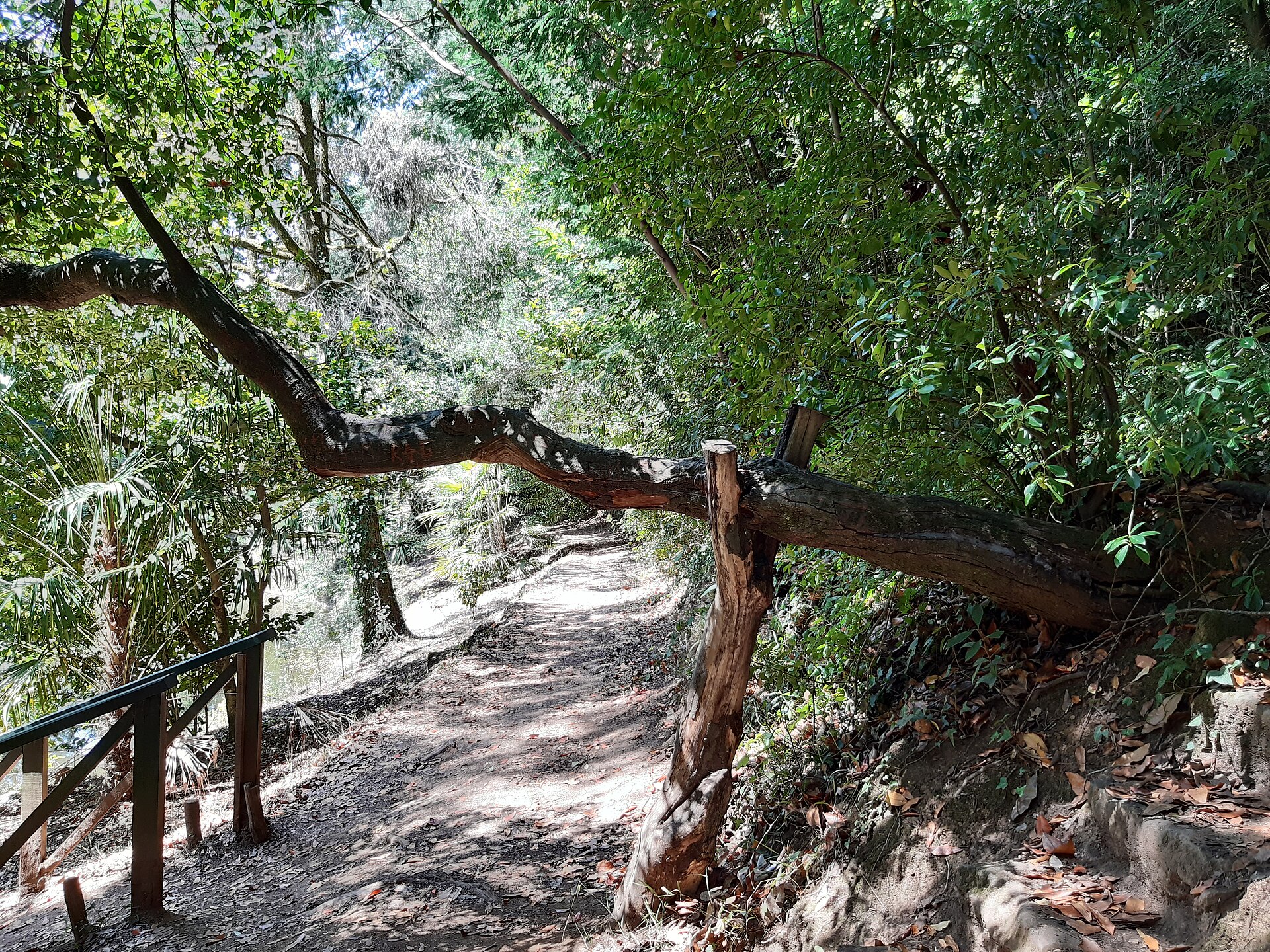
Some places start from the landscape rather than the patient. In July, the Mata Nacional do Bussaco near Luso was certified as a therapeutic forest, the first in the Iberian Peninsula. It's also a study site for PhorestAll, an EU co-funded research project led by Destinature, the Fundão nature-tourism agency that prepared Bussaco's certification. Researchers from the University of Coimbra will measure the forest's biodiversity, soil life and the compounds trees release into the air, then compare them with health data from participants. The same work runs in Slovenia, Poland, Lithuania and Taiwan.
Neighbouring Anadia has signed a deal that lets its residents buy the Cartão Amigos da Mata at the local rate of 20 euros a year, for free entry by car. On foot or by bike, the forest is free for everyone.
According to the GNR's 2025 senior census, Guarda district had 5,852 older people living alone or isolated, the most in the country. A local project, GuardAfetos, wants home care to cover company as well as food, hygiene and medication.
Part of the answer comes from volunteers. Velhos Amigos, founded in Coimbra in 2009, brings older people a weekend meal and some company. In 2025, about 350 volunteers in 43 teams supported 84 people and delivered 6,929 meals. The programme is due to open a team in Lisbon's Anjos neighbourhood and is looking for volunteers there and in five other teams.
On Sustainable Living
Nature-based care near Palmela: Instituto Português de Ecopsicologia Alma Gaia offers outdoor ecopsychotherapy and training. See also Health & Wellbeing, 11 projects.