Parque de Natureza de Noudar

Parque de Natureza de Noudar is a 151-hectare conservation and nature tourism project near Barrancos, Alentejo, created by EDIA as an environmental offset for the Alqueva dam. It combines organic farming, sustainable forestry and heritage interpretation on a Natura 2000 site.
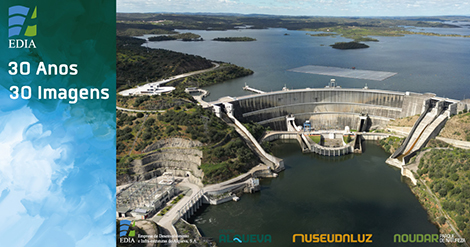
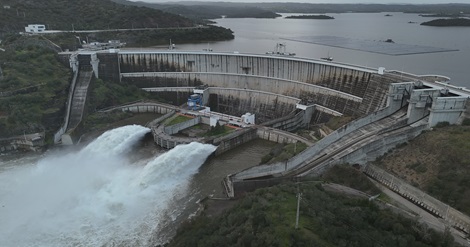
Parque de Natureza de Noudar is a park of around 151 hectares about 8 km from the village of Barrancos, Alentejo, with organic farming, FSC-certified forestry and an interpretation centre in the old farmhouse. EDIA set it up in 1997, when it acquired the Herdade da Coitadinha. The park was conceived as an environmental compensation measure within the Alqueva Multi-purpose Undertaking, to offset the habitat lost when the Alqueva dam was built. Alqueva is the largest irrigation project currently underway in Europe.
The park lies within the Moura/Barrancos Special Conservation Zone and is part of the European Natura 2000 network. That designation rests mainly on its holm oak (*azinho*) ecosystems and its biodiversity. The park's forest management holds Forest Stewardship Council (FSC) certification, with a strong focus on maintaining and improving the holm oak habitats.
The project works on the principle that sustainable use and responsible economic activity are the most effective way to conserve the territory over the long term. Organic farming in line with regional traditions is practised throughout the park, to preserve both biodiversity and cultural heritage. Monte da Coitadinha, the historic estate farmhouse, has been restored and now serves as an interpretation centre and visitor accommodation. It presents the Alentejo's bio-ecological and cultural heritage through modern media: sound, video and print.
Barrancos is in one of Portugal's most rural and sparsely populated areas, and the park has a socio-economic effect there. It attracts qualified professionals to settle in the region and contributes to reviving local tourism, gastronomy, commerce and culture. It is widely regarded as a national model for multifunctional rural land management. An ongoing biodiversity monitoring programme is used to balance visitor activity against what conservation requires.
Our Goal
To conserve the holm oak (montado) ecosystems and biodiversity of the Noudar estate, and to show that sustainable land use, organic farming and responsible tourism can drive long-term ecological and socio-economic resilience in a rural region.
Our Wishes
The park welcomes visitors, researchers and partners with an interest in nature tourism, biodiversity monitoring or sustainable rural development in the Alentejo.