
Almada reaches critical reserves
Almada declared an alert with reservoirs at just 10% of capacity, banning garden watering, car washing and pool filling to protect essential supply.
Water scarcity set the week’s sharpest warning, with Almada’s reservoirs at 10% and restrictions now protecting essential supply. Elsewhere, tested wastewater offered one practical response. Energy policy raised a harder question about where renewables belong, while a devastating fire in central Portugal gave new urgency to plans for restoring damaged landscapes and marine ecosystems.
Almada’s restrictions show the immediate cost of low reserves, while DECO’s leak figures point to a long-running infrastructure problem. The Douro vineyard pilot suggests treated wastewater could form part of the response without compromising wine safety.
Almada declared an alert with reservoirs at just 10% of capacity, banning garden watering, car washing and pool filling to protect essential supply.
DECO reports Portugal lost around 2 billion cubic metres of treated water through leaks since 2013, urging investment in network renewal and reuse.
A UTAD-led pilot found no health risks or residues in wines from vines irrigated with treated wastewater, offering a sustainable option amid drought.
Portugal is making self-consumption easier, and shopping-centre roofs show one route for deployment. Castelo Branco’s opposition to a large project near Serra da Gardunha also underlines the unresolved question of how renewable expansion uses rural land.
The municipality opposes a €1.2 billion Eurowind project near Serra da Gardunha, favouring rooftop solar over open-country development, in a debate echoing national tensions over rural land.
A new law simplifies energy self-consumption, allows solar panels in buildings by simple majority, and creates a new renewable energy contract.
Greenvolt is developing rooftop solar projects for three Portuguese shopping centres, mainly for self-consumption and avoiding CO2 emissions.
The destruction of the Cambarinho reserve shows the scale of damage that restoration policy must confront. The ICNF draft sets national targets, while technology developed in Peniche focuses on faster recovery for degraded kelp forests below the waterline.
A large blaze starting in Vouzela wiped out the 24-hectare Cambarinho Botanical Reserve and burned over 15,000 hectares across several municipalities. Homes, farmland and livestock were lost before it was contained.
The ICNF's draft plan details 407 interventions, targets of 260 km² restored and three million trees a year, open for consultation until August 19.
A Peniche-developed technology uses modular labs to triple the growth of marine algae forests, helping restore degraded underwater ecosystems.
The map keeps filling in. This week we added 64 projects and 68 events. Sustainable Living now connects 173 projects, 92 upcoming events and 367 people across Portugal.

100 Aldeias is Cleanwatts' programme to bring renewable energy communities to villages across Portugal. It started in Miranda do Douro in 20…

United to Remake (U2R) is a Portuguese social innovation startup that upcycles discarded materials — from neoprene wetsuits to nautical sail…

Mud Valley Institute is a nonprofit regenerative education and action organisation based near Lagos, Portugal, working to combat desertifica…
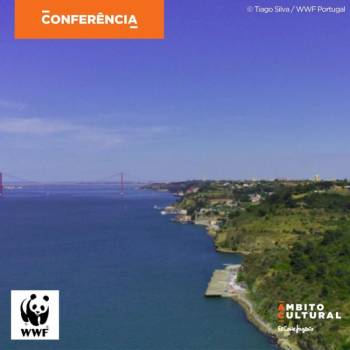
Conference on the Tagus Estuary featuring nature conservation experts, presenting research on dolphins, seahorses and other species as indicators of the ecosystem's health. Takes place on July 15th at 6:30pm in the Sala de Âmbito Cultural at El Corte Inglés in Lisbon.
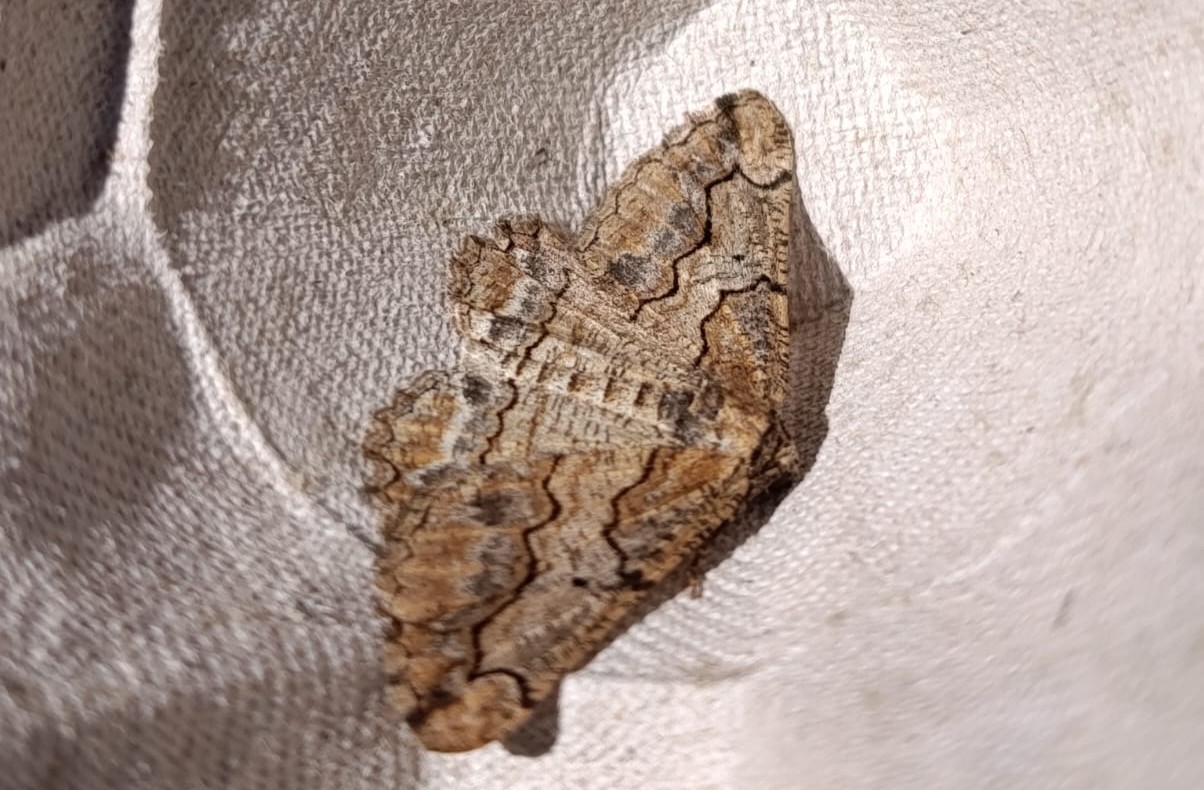
A recurring citizen science activity to observe and identify moths attracted to egg boxes, held every two weeks on Thursdays, weather permitting.

The Junta de Freguesia de Alvaredo, in Melgaço, is promoting a youth volunteering programme for forest and environmental protection, aimed at young people aged 14 to 18, from July 17 to August 1, from 9am to 1pm.

The 8th Fruit and Vegetable Colloquium, organized by Lusomorango together with Universidade Católica Portuguesa, addresses climate, irrigation and agricultural sustainability in Odemira, as part of FACECO. The event brings together politicians, experts and businesspeople from the agri-food sector.

A 4-hour in-person training session organised by LPN and EPAL, consisting of a walk between Cheleiros and Penedo do Lexim, in the municipality of Mafra, to explore the flora, fauna, geology and cultural heritage of the Saloia region. Free registration until 16 July.
New projects, openings and stories — a short letter, only when there's something worth sharing.