
Solar row halts Évora visit
Portugal's environment minister cancelled a trip to Évora after protests against three mega solar projects near the UNESCO city.
Renewable energy plans faced questions about land, evidence and local concerns this week, while extreme heat kept water security in focus. The Algarve offered two practical responses through repaired pipes and a small climate refuge. Wildlife stories ranged from declines in common birds to new seahorse shelters and an otter recorded in Sintra for the first time in decades.
Renewable proposals are meeting demands for stronger siting rules and clearer evidence. Protests stopped a ministerial visit to Évora, while a regional platform sought a pause and environmental groups called for scientifically defined acceleration zones.
Portugal's environment minister cancelled a trip to Évora after protests against three mega solar projects near the UNESCO city.
Ten environmental groups urge strict scientific criteria for renewable acceleration zones, warning that a 1% municipal cap could backfire.
Plataforma Nordeste Vivo wrote to the Agriculture Minister asking for a temporary halt to new projects in several Nordeste Transmontano municipalities. It cites risks to farmland and food sovereignty and wants a transparent impact study.
Heat is deepening Europe's water stress, leaving exposed places such as Portugal with little room for delay. In the Algarve, pipe renewal is already saving water, while Ameixial offers a model for providing shade and water in southern villages.
Extreme heat, driven by climate change, is drying rivers, soils and reservoirs across Europe even when it rains. Portugal is among the most exposed countries.
Algarve municipalities exceeded PRR targets, investing over 40 million euros to renew more than 160 km of pipes and save over 2.15 cubic hectometres of water.
A water and shade feature in Ameixial, built for under 50,000 euros, became an effective climate refuge and a replicable model for southern villages.
Bird declines show the value of secure, long-term monitoring, while local restoration offers more immediate help. Seahorse shelters in the Tejo and an otter sighting in Sintra provide specific signs of action and possible habitat improvement without cancelling the wider pressures.
SPEA's Hany Alonso explains why declines in familiar birds like the swallow and the cuckoo point to wider environmental trouble, largely linked to farming intensification. He also warns the 20-year-old census still has no secure funding.
WWF Portugal placed nine shelters in the Tejo estuary to help two threatened seahorse species cope with pollution, litter and underwater noise. It is the first step of the D-EVOLUCAO restoration project, with local fishers involved.
Camera traps in Parque da Pena confirmed an otter for the first time in decades, which Parques de Sintra reads as a sign of healthier habitats. The entity also announced five million euros this year for climate resilience and biodiversity.
The map keeps filling in. This week we added 29 projects and 59 events. Sustainable Living now connects 247 projects, 133 upcoming events and 570 people across Portugal.
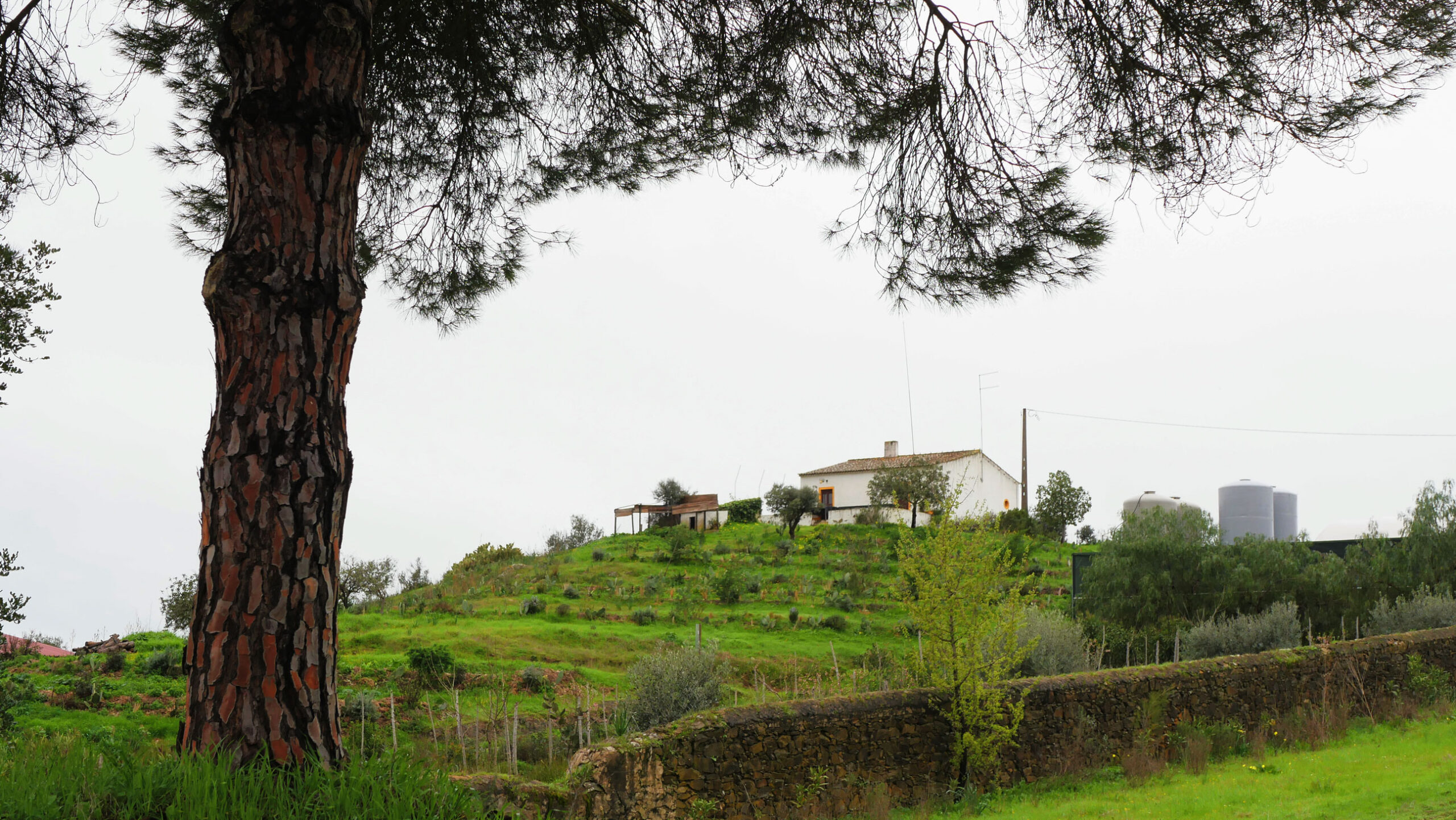
Terra Sintrópica is a community-driven regenerative initiative in Mértola, Alentejo, restoring semi-arid ecosystems through syntropic agrofo…
Vintage for a Cause is a Portuguese circular fashion brand that upcycles textile waste into original clothing while empowering unemployed wo…
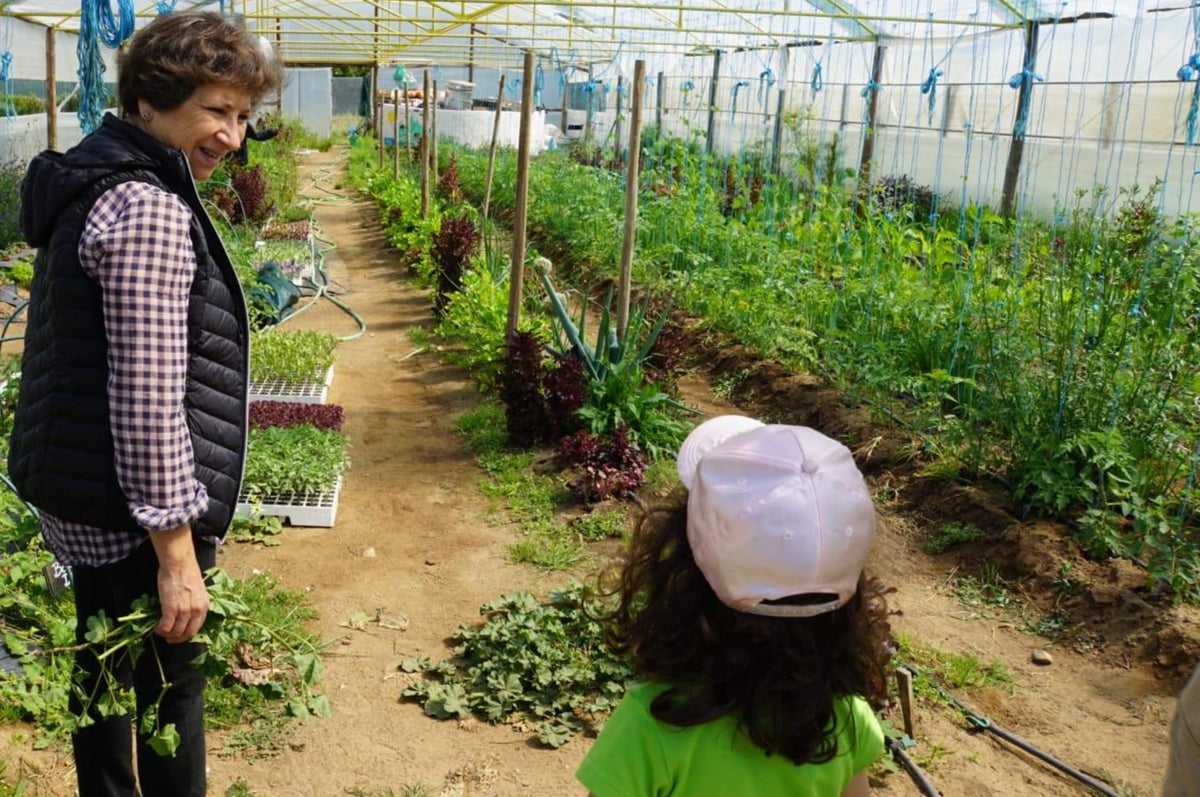
Quinta da Caria is a pedagogical organic farm in Torres Vedras producing biological aromatic herbs, fruits and vegetables through agroforest…

Valença Municipal Council is promoting a workshop on invasive plant control at Mosteiro de Sanfins, including a practical field component focused on acacias. Participation is free but requires prior registration.
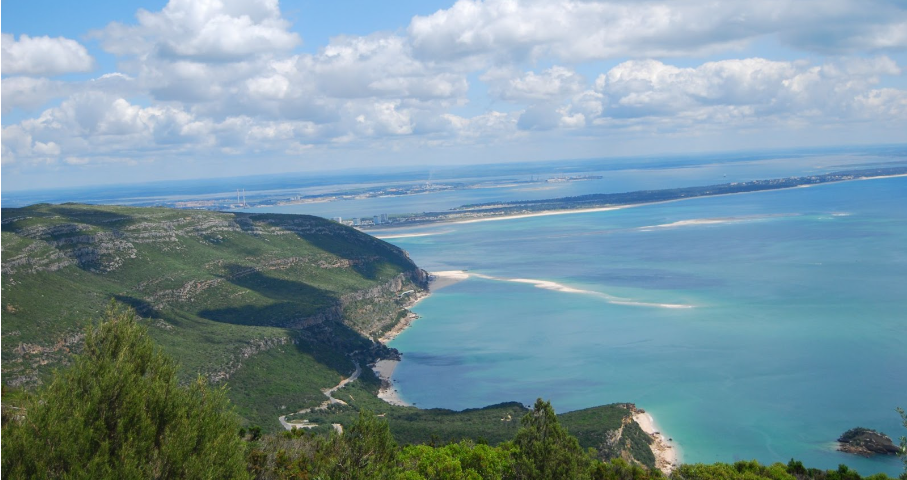
Commemorative forum for the 50th anniversary of Parque Natural da Arrábida, featuring an institutional session, the launch of an honor book, testimonials and cultural performances, organized by Câmara de Setúbal and ICNF.

Community bicycle workshop open on Mondays and Wednesdays from 6 PM to 9 PM, where cyclists of different skill levels can learn repairs and maintenance, sharing tools and donated parts.

Participatory assembly organized by the Comunidade Intermunicipal do Alto Alentejo on August 1st in Castelo de Vide, where residents over 18 can present ideas and proposals on sustainable mobility, transport and accessibility in the region. Registration until July 24th, with selection by lottery.

Exhibition of waste found along the coastline, created by Gui Ribeiro, organized by Parque Natural das Flores as part of the LIFE IP Azores Natura project, open during August.
New projects, openings and stories — a short letter, only when there's something worth sharing.