Monte da Vaquinha
A family-run regenerative farm in Moura, Alentejo, that practises holistic cattle grazing and agroecology, and also runs a donation-based shelter for travellers.
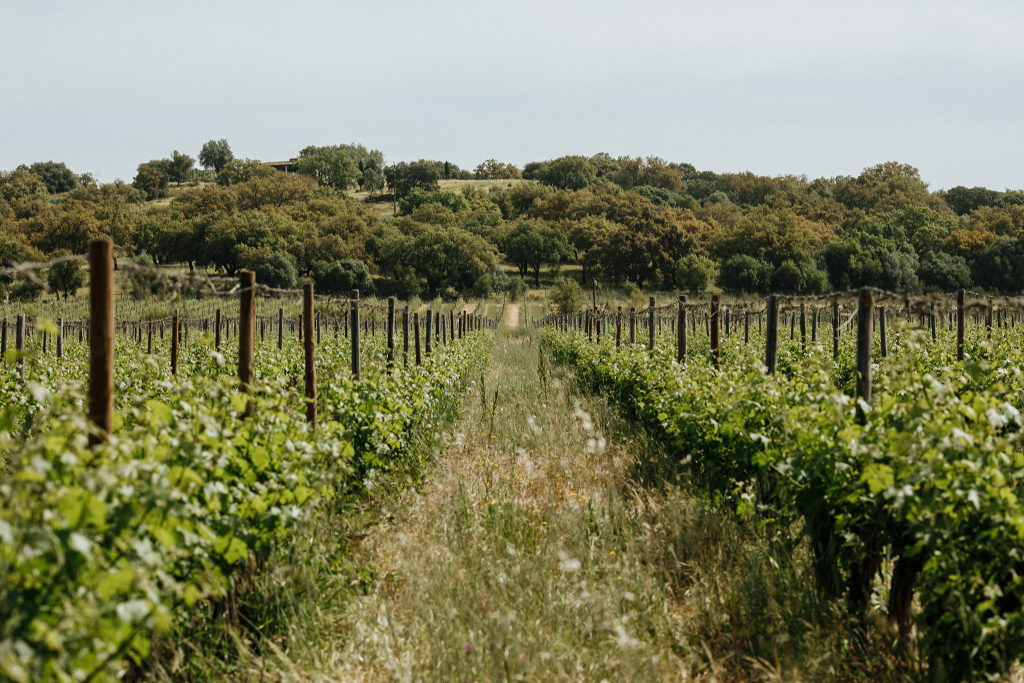
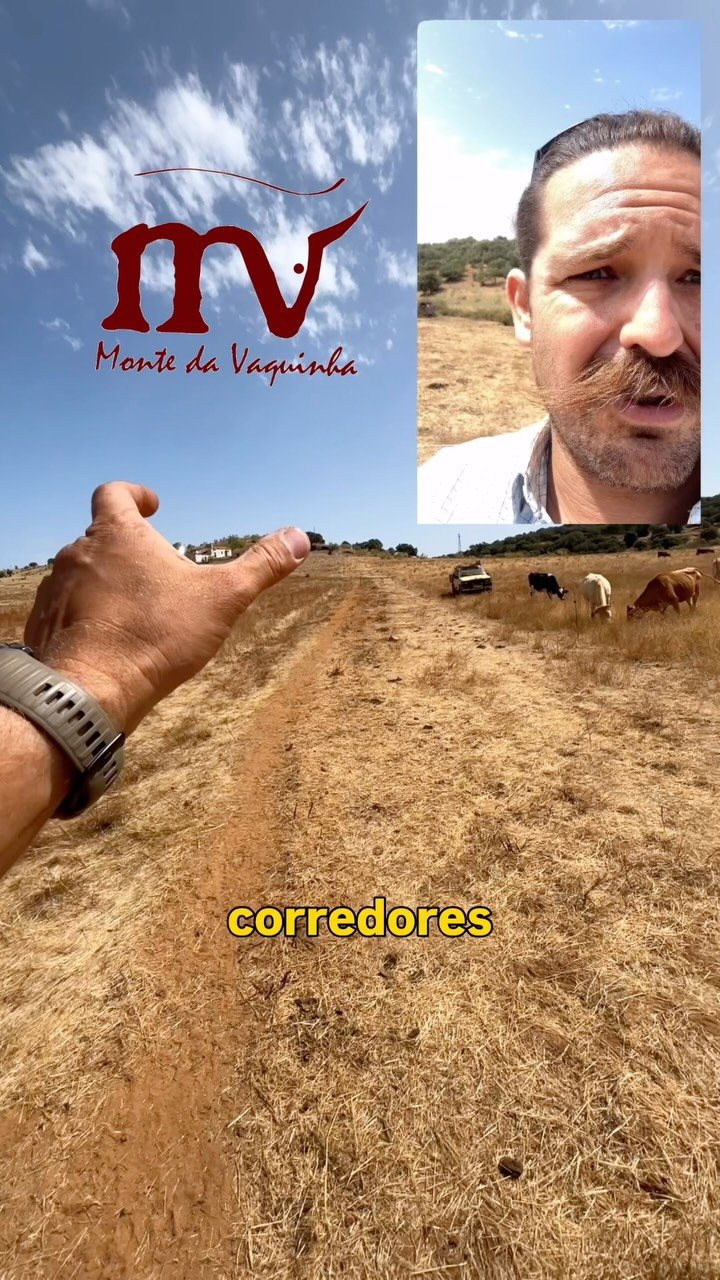
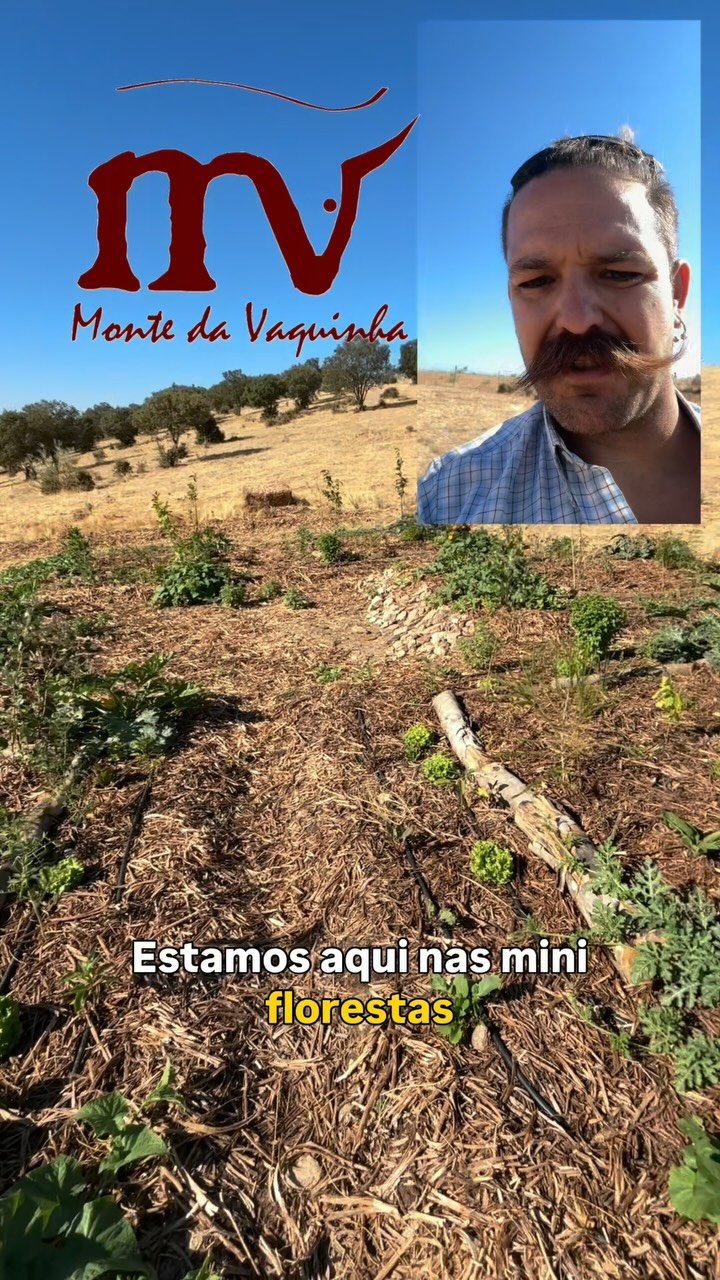
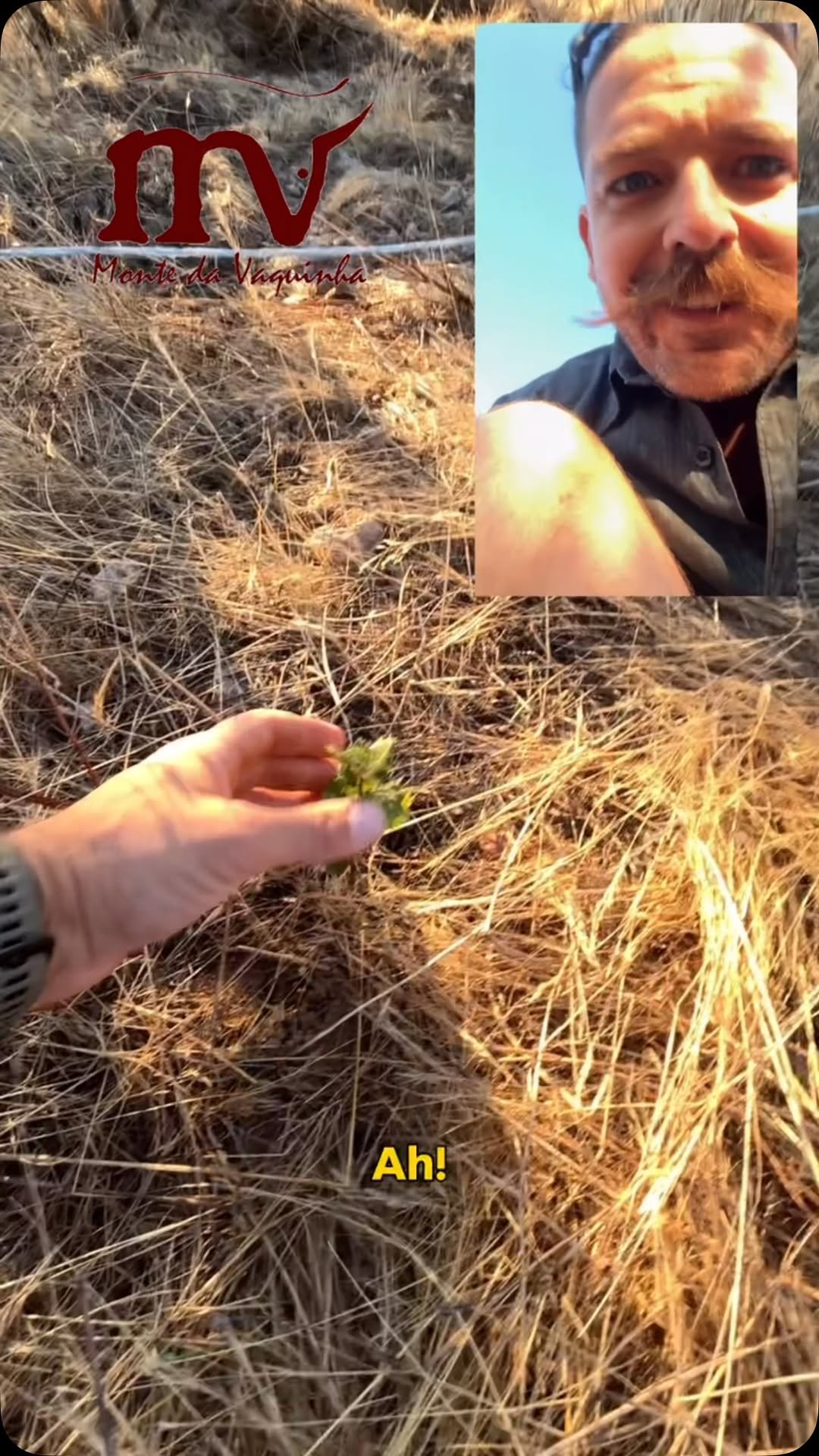
Monte da Vaquinha is a family farm in Moura, Alentejo, run by Ágata and Kiko. It combines holistic cattle management with regenerative agriculture, with the aim of restoring soil health and watershed function on the land. They've planted edible mini-forests, which already produce food for the animals and the people living on the farm. The project is committed to agroecology and to closed-loop farming.
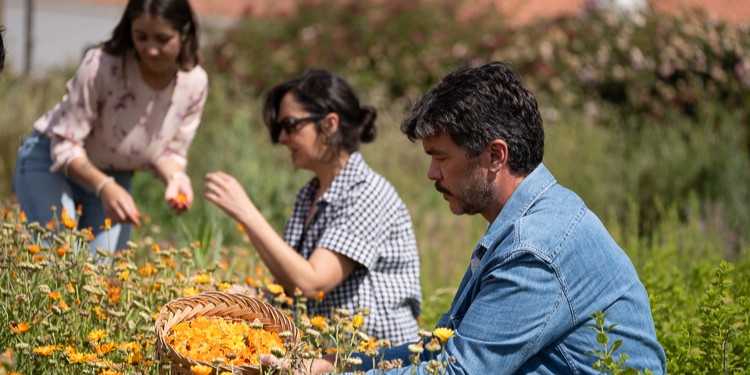
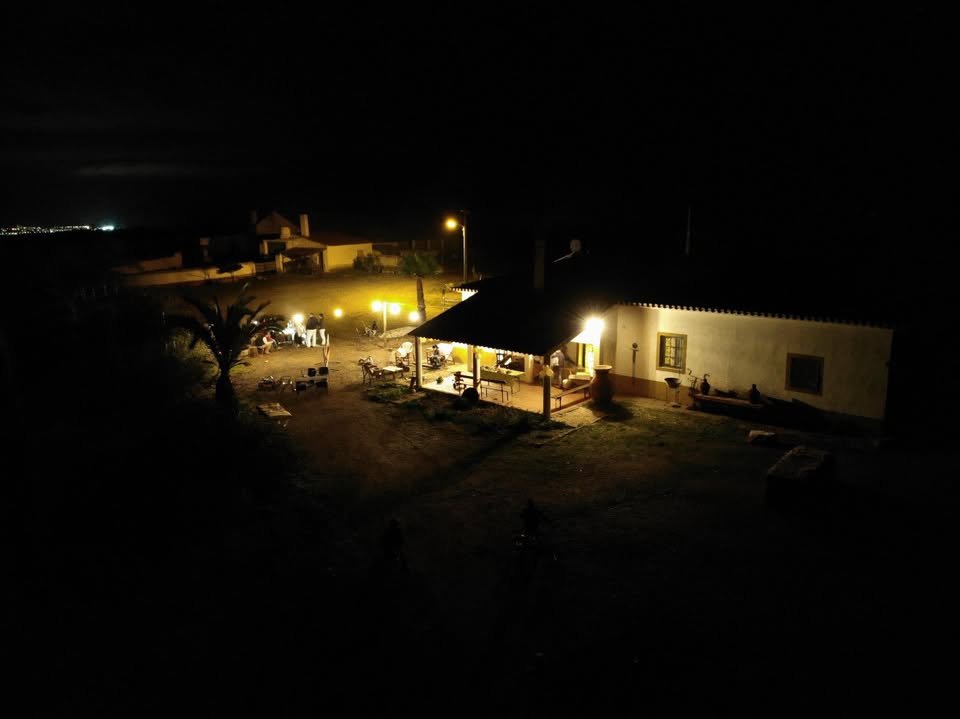
The farm is also a shelter for travellers. Budget-conscious travellers, cyclists and wanderers are welcome on an open-door, donation-based model. Payment is never mandatory. Guests are invited to give what they can, and everyone is guaranteed a place to rest, share stories and get to know the people on the farm. The arrangement rests on trust and reciprocity. Those who can pay help cover real costs such as water, energy and maintenance, and those who can't are still welcome to stay and contribute to the community spirit in other ways.
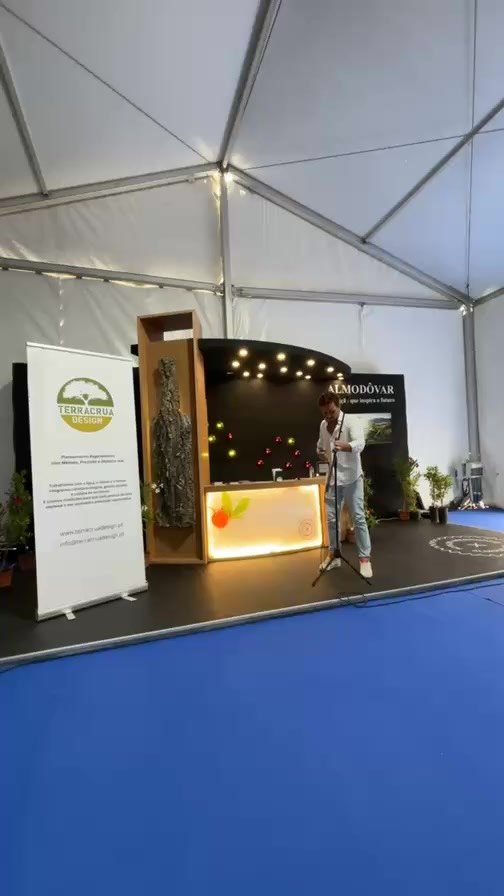
The farm also produces handmade goods, among them candles and honey-based products. It hosts educational sessions on regenerative planning methods such as Terra Crua design. Children can explore a handcrafted playground and see farm life up close, including interacting with the cows, chickens and donkeys. The project focuses on repopulating and revitalising Portugal's rural interior.
Our Goal
To regenerate the soil and the health of the watershed through holistic grazing and agroecological farming, while offering open hospitality to travellers.
Our Wishes
Travellers are welcome to stay, contribute to the community spirit and support the farm with voluntary donations towards costs such as water, energy and maintenance.