Oasis dos 3 Sobreiros


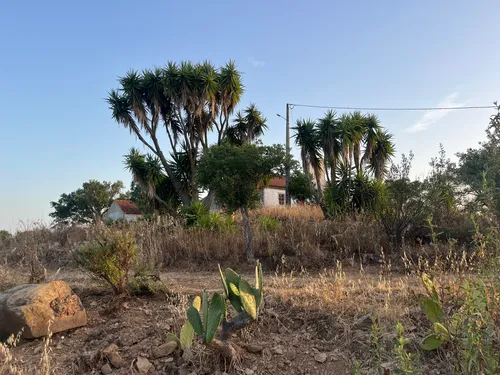
Oasis dos 3 Sobreiros (also known as Oasis des 3 Chênes) is a permaculture garden and eco-living project in São Francisco da Serra, Portugal, offering nature immersions, wild plant foraging courses and guidance for people building their own eco-places.
Permaculture, a living garden and a fruit forest are the base of Oasis dos 3 Sobreiros, a long-standing eco-place in Cruz de João Mendes, São Francisco da Serra, in Santiago do Cacém municipality, southern Portugal. Internationally it goes by Oasis des 3 Chênes. It has existed since at least the early 2010s, and it's referenced in academic research on neo-rural settlement in Portugal and in alternative community publications.
Murielle Lekien is the main person running it. The project offers immersive nature and plant-based stays, along with training courses in wild edible and medicinal plants, permaculture garden design and practical skills for building autonomy. In a podcast series called “Oasis des 3 Chênes”, the founder talks about regenerating land, harvesting wild plants respectfully, making olive oil at home and turning a dream eco-place into a real one.
The site is both a working demonstration of permaculture principles and a place of learning for people who want to leave conventional lifestyles behind, become more self-sufficient, and join or create their own biodiversity oasis. Free ebooks cover how to start a permaculture vegetable garden and the first steps in launching an eco-place project.
The thinking behind it is to act as a guardian of the Earth, to add to a network of preserved ecosystem “bubbles”, and to help others turn their idea of a different way of living into a concrete, thriving reality.
Our Goal
To live more self-sufficiently on an eco-place based on permaculture, and to help other people turn their own dream of a different lifestyle into a concrete, thriving eco-place.
Our Wishes
Oasis dos 3 Sobreiros welcomes people who want to join its nature and plant immersions or its permaculture training, and people looking to connect with others who are building their own biodiversity oases.