Ocean Alive

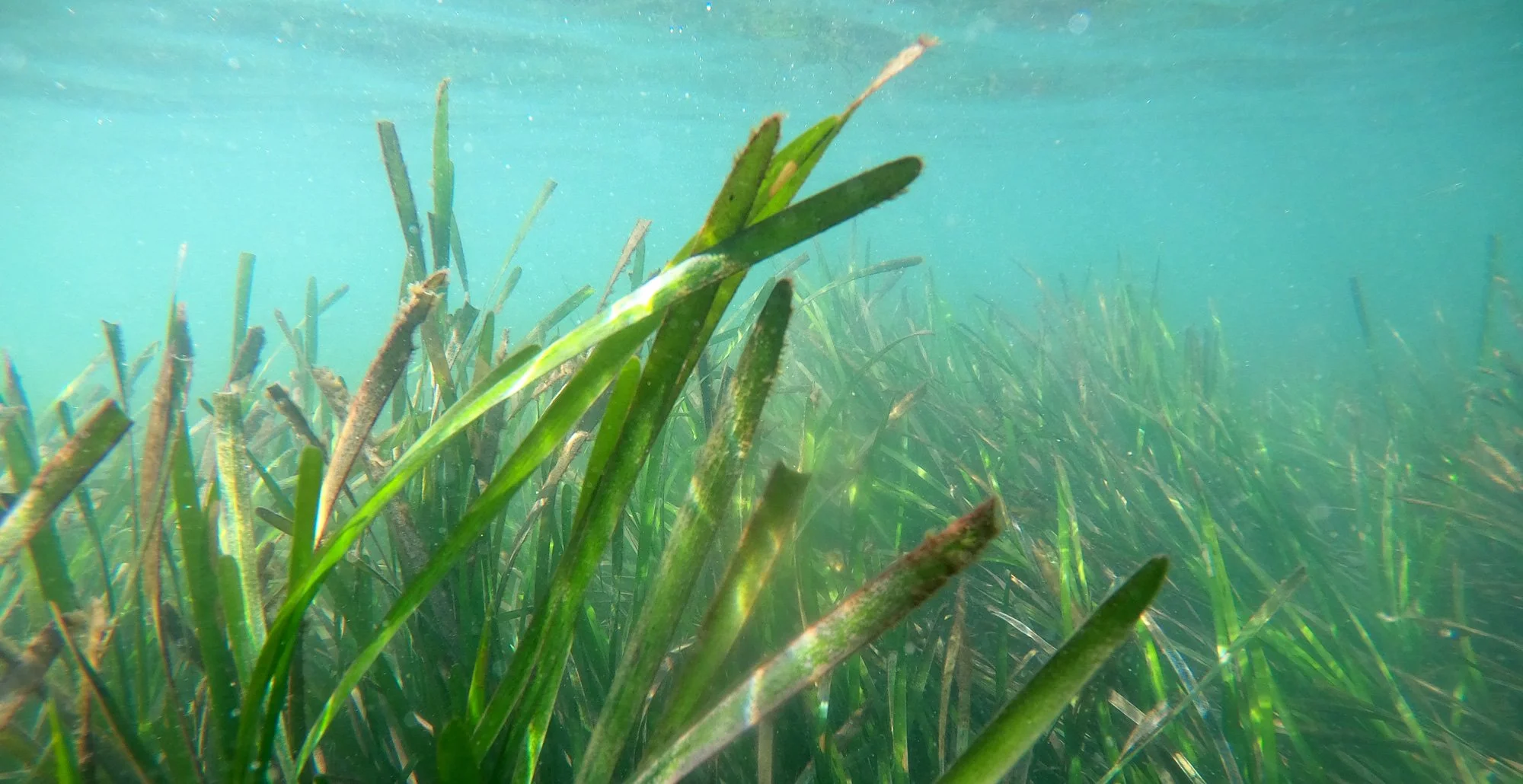

Ocean Alive is a Portuguese NGDO, a benchmark at European level, dedicated to the conservation and restoration of marine forests, in particular seagrass meadows, and other key estuarine habitats, involving coastal communities, scientists and policymakers.
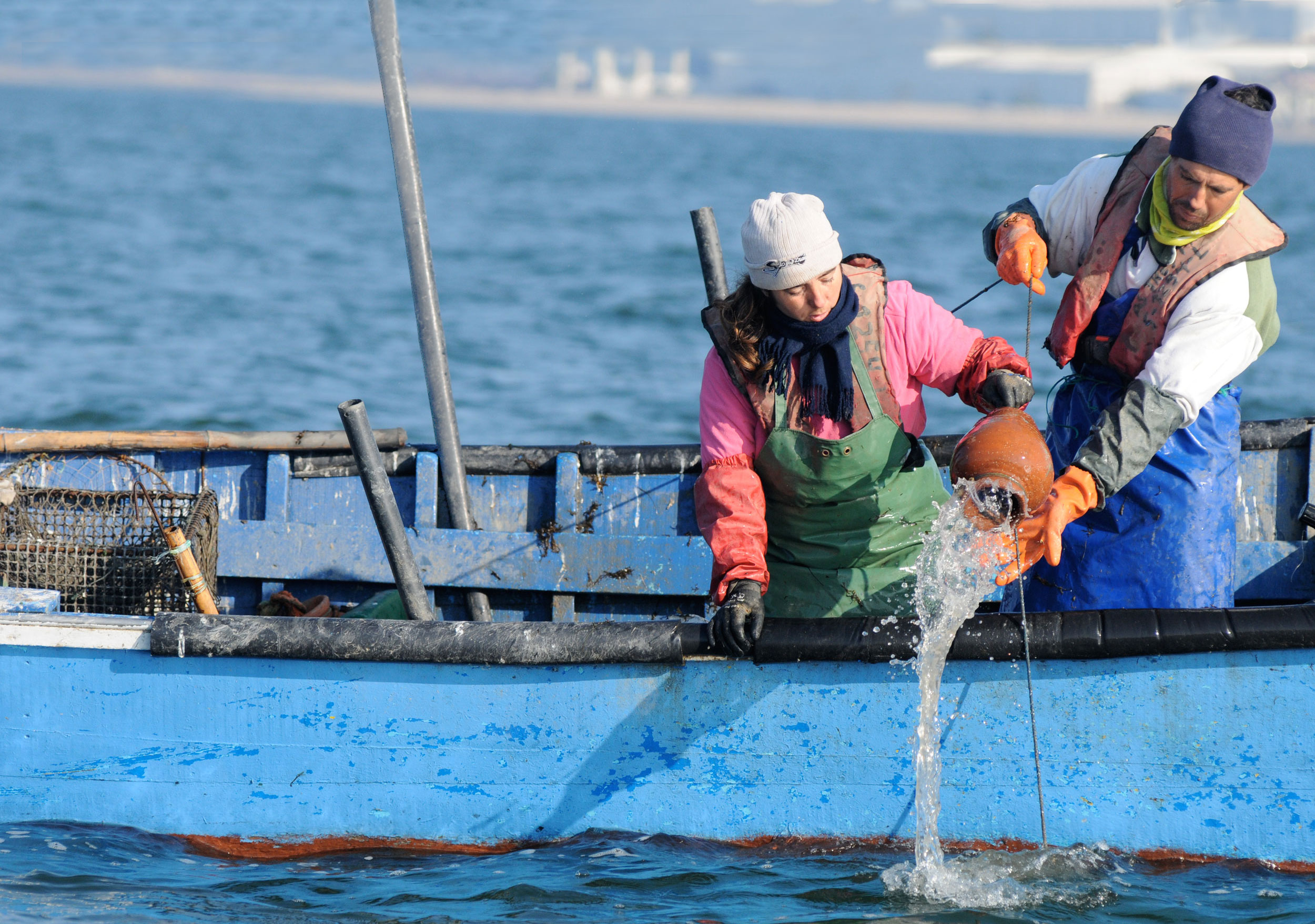
For more than 10 years, Ocean Alive has been working in the Sado estuary and is recognised for its role in mediating dialogue between communities and authorities. The multidisciplinary team, which includes women from the fishing community, the Guardiãs do Mar (Guardians of the Sea), brings together more than 30 years of combined experience.
Ocean Alive's work to protect and restore these key habitats is based on 5 programmes: 1) a marine education programme, aimed at increasing literacy about seagrass meadows, 2) a programme of awareness campaigns, encouraging a shift from bad practices to alternative solutions that restore and protect these essential habitats, 3) a seagrass meadow mapping and restoration programme, 4) an advocacy programme, to influence and impact local and national policies, and 5) a development programme, involving small collaborations with NGOs from Portuguese-speaking African countries (PALOP), with the aim of empowering women and promoting education.
All of Ocean Alive's activities are carried out together with the Guardiãs do Mar, women from the fishing community of the Sado estuary who collaborate in protecting the seagrass meadows. This initiative responds to the problem of lost employment in fishing caused by the decline of seagrass meadows and marine resources. Through a capacity-building programme for women from fishing communities, Ocean Alive has created 3 new professions that value their wisdom and life stories and provide them with a supplementary income.
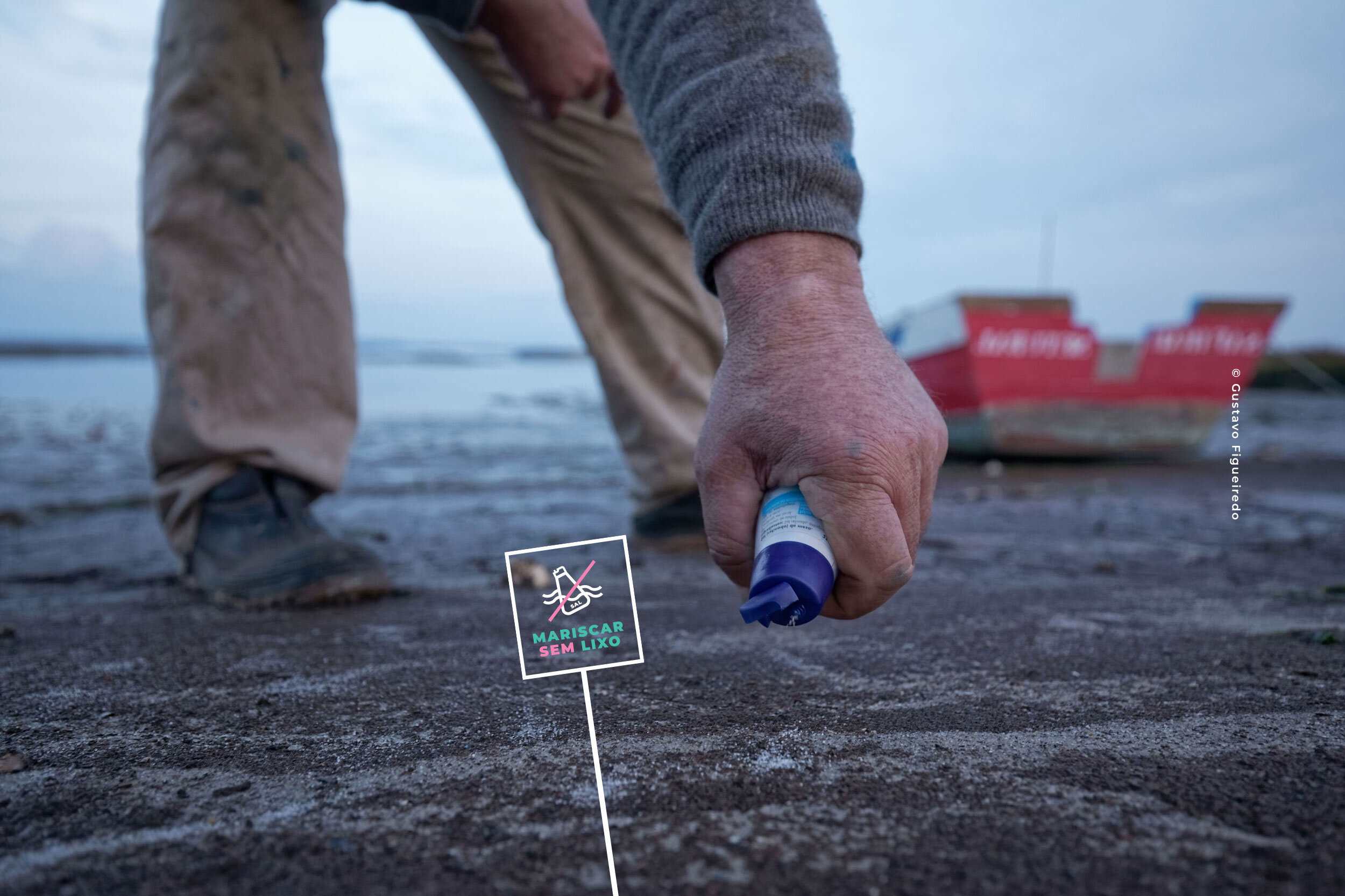
The fisherwomen are marine guides for the educational programme and marine experiences, awareness agents for the Mariscar SEM Lixo (Shellfishing WITHOUT Litter) campaigns and seagrass meadow monitors in mapping and restoration projects. These new professions give the Guardiãs do Mar a catalysing role in transforming the behaviour of their peers, which is necessary to eliminate the threats that the local community poses to the seagrass meadows: shellfishing litter, anchors, and fishing and harvesting techniques with destructive impacts.
The Sado estuary is the second-largest estuary in Portugal and one of its most ecologically significant marine landscapes. It brings together a mosaic of interconnected habitats, including seagrass meadows. These habitats are fundamental to marine biodiversity, serving as nurseries for countless species and supporting fisheries, protecting coastal areas from erosion, helping to purify water and contributing to climate change mitigation through carbon sequestration, directly benefiting local communities. Ocean Alive's work has contributed to lasting results, such as the recognition of marine forests in coastal policies and the shift from extractive models to regenerative models that benefit communities.
Ocean Alive's project has UNESCO as an institutional partner and contributes to Sustainable Development Goals 14 (conservation and sustainable use of the ocean), 5 (gender equality and women's empowerment), 13 (urgent action to combat climate change) and 4 (quality education for all).
Ocean Alive's work features in the documentaries Madre Mar (Patagonia Films) and Lungs of the Ocean.
Our Goal
Ocean Alive's vision is a healthy Ocean protected by coastal communities, through the conservation and restoration of seagrass meadows and other estuarine habitats.
Our Wishes
Ocean Alive is looking for volunteers for the sea. Those who sign up to the newsletter can take part in environmental awareness campaigns, marine education and seagrass meadow restoration.