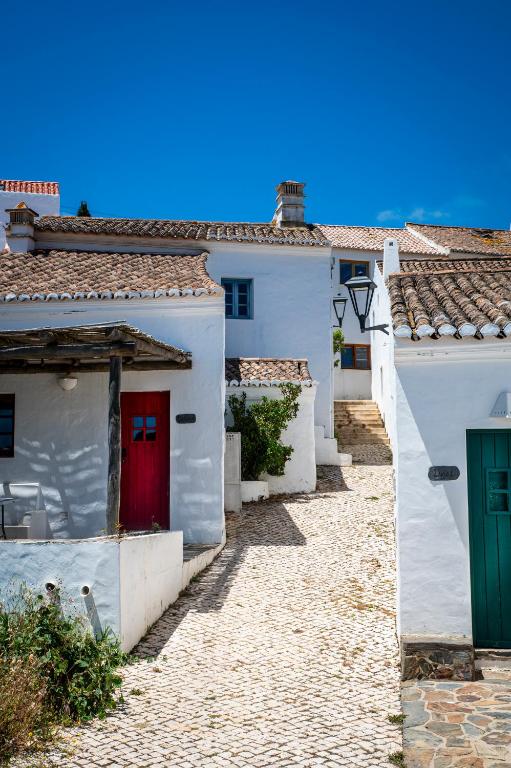
Querença·Algarve
QRER – Cooperativa para o Desenvolvimento dos Territórios de Baixa Densidade logo

QRER – Cooperativa para o Desenvolvimento dos Territórios de Baixa Densidade

QRER – Cooperativa para o Desenvolvimento dos Territórios de Baixa Densidade

QRER is a service cooperative based in Loulé that promotes sustainable development, entrepreneurship and nature and cultural tourism across the interior of the Algarve. It runs walking festivals, gastronomic events and a creative incubator, working with a network of over a dozen cooperators.

QRER, based in Loulé, is a cooperative dedicated to developing the low-density interior of the Algarve. Founded around shared value creation, it brings together cooperators from fields as varied as agronomy, psychology, tourism, design and cultural heritage to work on regional projects. The cooperative runs QRIAR, a creative incubator for the interior territories, and organises several recurring events. The Walking Festival Ameixial was the Algarve's first walking festival, held in the Ameixial parish to showcase the Algarve hills. Algarve Walking Season coordinates five walking festivals across the region into a single calendar, working with the Região de Turismo do Algarve. The Festival da Comida Esquecida celebrates traditional Algarve foods and recipes that have fallen out of everyday use, and the Handsome Festival forms part of the Algarve Food & Craft project, run with the Tertúlia Algarvia and the aspiring Algarvensis Geopark. QRER's cultural programme, Convite ao Interior, brings workshops, guided walks and creative sessions to interior parishes such as Querença, often delivered by its own cooperators. A guided walk at Fonte da Benémola has taken participants to observe pollinators and rural landscapes, with further field trips planned at Rocha da Pena and Nave do Barão. Open sessions like Biodanza classes invite residents and visitors to take part without prior experience. On LinkedIn, QRER counts 126 followers and describes its focus as sustainable development, entrepreneurship and nature and cultural tourism. Its work draws on European funding for several of its territorial projects, and it partners regularly with local municipalities, tourism boards and civic associations across the interior Algarve.

Our Goal

QRER works to revitalise the low-density interior of the Algarve by supporting local entrepreneurship, organising cultural and nature-based events, and connecting cooperators around shared regional development projects.

Our Wishes

The cooperative seeks partners, sponsors and participants for its cultural programme, festivals and field activities, alongside new cooperators willing to contribute skills to interior Algarve's development.

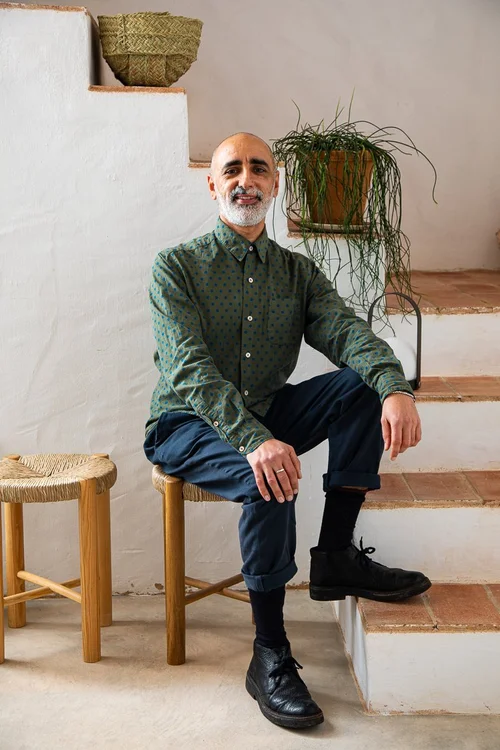
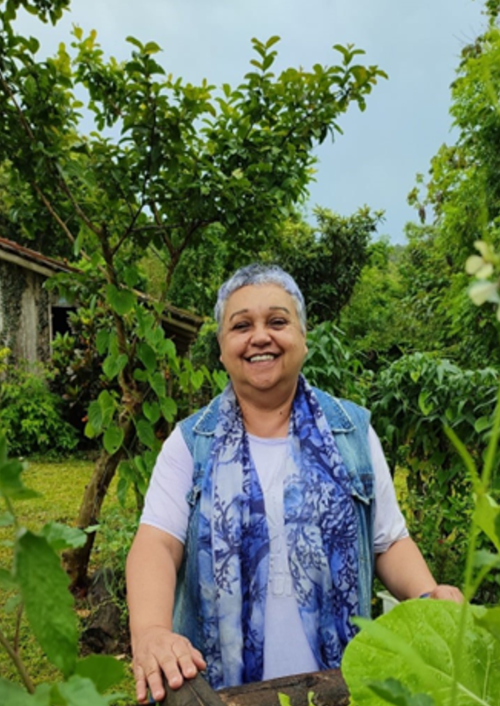
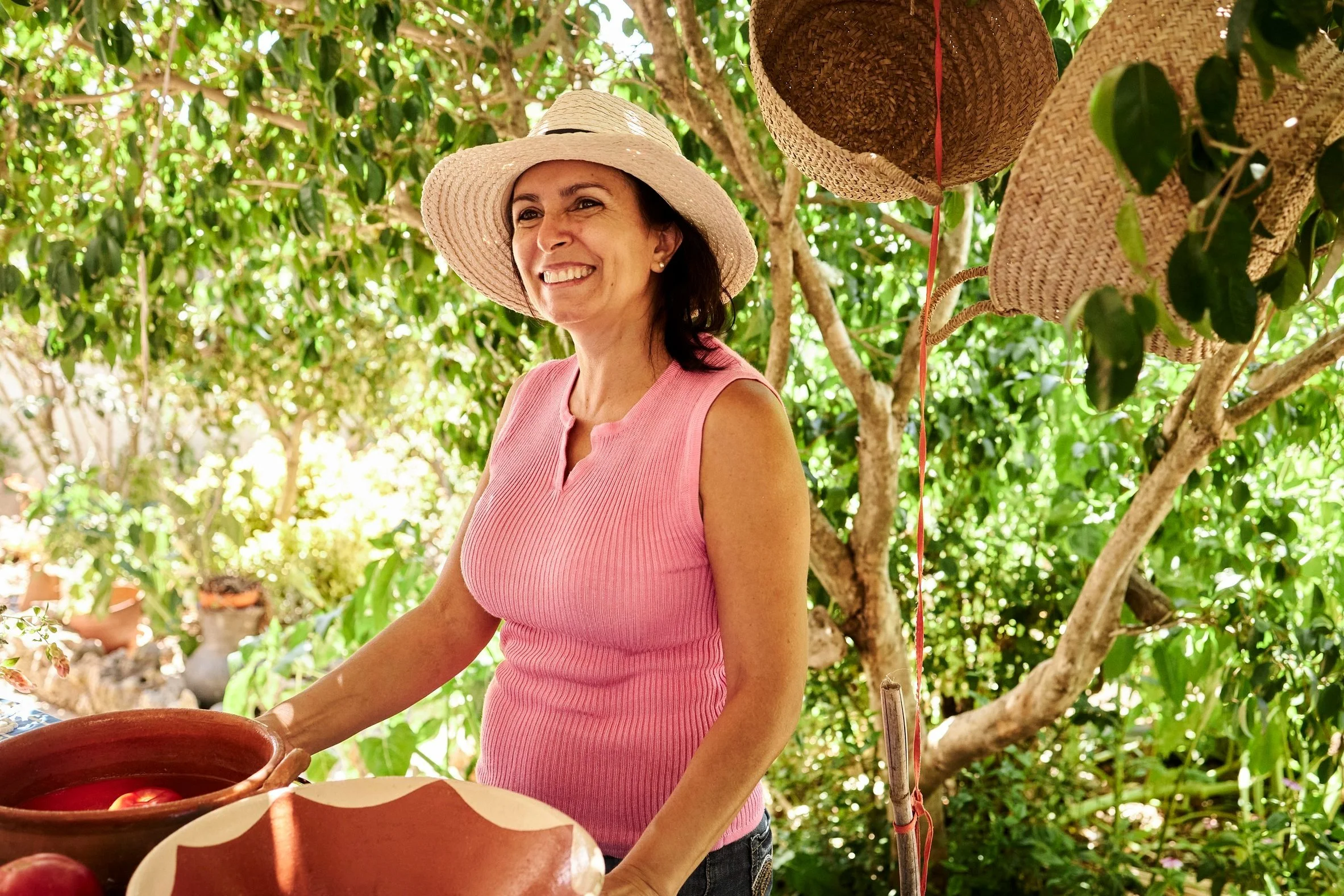
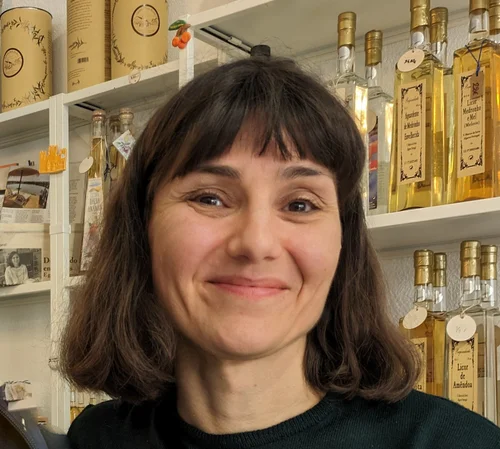
Our People
In the Pulse

Upcoming Events

Oct2410:00
What lives in the stones? Field trip to Rocha da Pena

What lives in the stones? Field trip to Rocha da Pena

Nature observation

Penina, Loulé

A guided walk to discover how stone walls, earth banks (valados) and terraces (socalcos) are also part of the living landscape of Rocha da Pena. Along the route, the group observes plants, insects and other small inhabitants that find shelter among stones, crevices and vegetation. With accessible explanations and on-the-ground guidance, the activity shows how these rural structures relate to biodiversity and teaches participants to recognise signs that, on an independent walk, might go unnoticed…

Nov710:00
What lives in the dry-farmed orchard? Field trip at Nave do Barão

What lives in the dry-farmed orchard? Field trip at Nave do Barão

Nature observation

Nave Do Barão, Faro, Portugal · Salir, Portugal

A guided walk to discover that a dry-farmed orchard is much more than a collection of trees. Along the route, the group observes the relationship between old trees, cavities, vegetation, pollinating insects and other small inhabitants of this rural landscape. With accessible explanations and guidance on the ground, participants learn where to look, which signs to watch for and why different elements of the orchard can provide food and shelter. A way of starting to look at the…