The week in the Pulse · 5 – 11 October 2026

Can Portugal manage farm water without direct measurements?

Water scarcity and climate risk set the terms this week. A Commission document puts farming at 86% of Portugal’s 2018 water consumption, but agricultural withdrawals are still estimated rather than directly measured. Funding for reclaimed water and plans to cut network leaks offer practical responses. Elsewhere, councils tightened flood rules, mapped heat refuges and prepared for extreme weather, while ecological projects focused on protection and restoration.

7 daily editions · 214 stories · 7 regions

What shaped the week

Portugal’s water debate starts with a stark, but dated, figure. A European Commission document says farming accounted for 86% of consumption in 2018, while Portugal still estimates agricultural withdrawals rather than measuring them directly. The pressure is sharply regional, with summer water stress reaching 91% in the Guadiana basin. Two responses are practical: a €30 million call will fund reclaimed-water systems, while Águas do Alto Alentejo aims to save 9.6 million cubic metres over eight years. Local climate readiness takes different forms, and progress is uneven. Monção now bars basements and bedrooms below the defined flood level in new buildings in at-risk areas. Leiria is drafting a contingency plan for floods, storms, and failures in energy and communications. Lisbon has identified dozens of possible heat refuges, but its network approved in 2022 has yet to materialise. Researchers say shade, ventilation and fewer cars matter more than bare lawns or pale paving. Ecological work ranged from evidence of protection to preparation for restoration. Divers found more fish species and a more balanced seabed inside Madeira’s no-fishing Garajau reserve than at a nearby unprotected site, though the expedition continues. On land, a disused Arrábida olive grove is becoming an agroforest. In São Miguel, an experimental orchard holds 2,168 native trees to supply seeds and plants for forest restoration when wild collection is difficult.

Stories behind the week

The water account

Portugal’s water challenge is both physical and informational. Farming dominates estimated consumption, while stress peaks in the Guadiana. Funding for reclaimed water and a loss-reduction contract in Alto Alentejo show two routes towards using existing supplies more carefully.

EU report says farming uses 86% of Portugal's water

A European Commission document on Portugal's water management, using 2018 data, finds agriculture accounts for 86% of water consumption, far ahead of public supply (10.4%) and industry (3.6%). The sector drives 69% of pressure on groundwater and pollution linked to farming affects 36% of surface water bodies. Portugal still relies on estimates rather than direct measurement to track agricultural water withdrawals. The Commission also flags sharp regional disparities, with water stress reaching 91% in the Guadiana basin in summer, and recommends revising water pricing, since agriculture pays a much lower rate than public supply.
Portugal opens €30m call for wastewater reuse projects

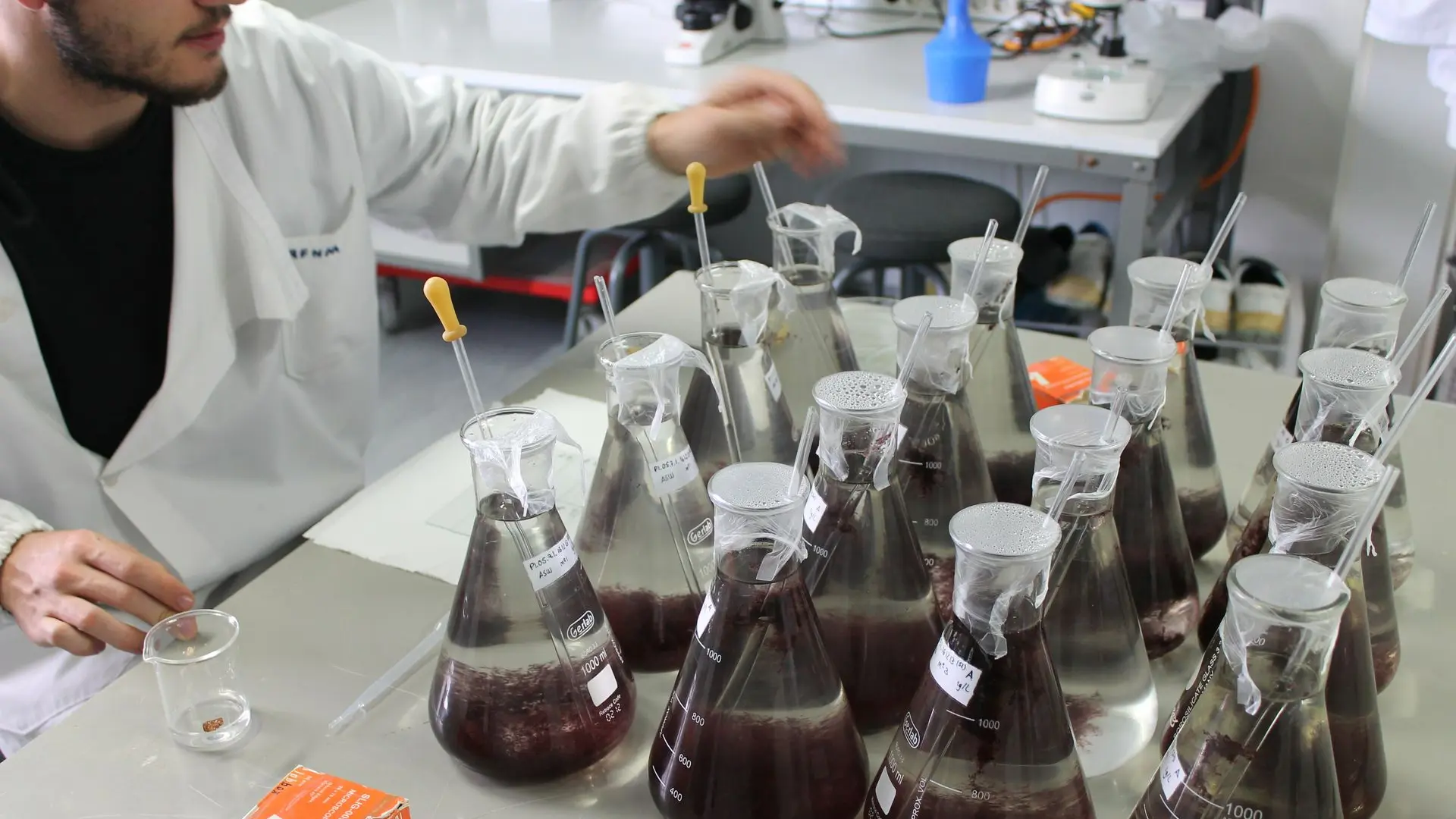
The Sustentável 2030 programme has launched a €30 million funding call to adapt wastewater treatment plants (ETAR) for producing and distributing reclaimed water for non-potable uses. The PACS-2026-23 notice aims to boost circularity of water resources and strengthen responses to water scarcity. Municipalities, their associations, state and local business-sector entities, and municipal or intermunicipal concessionaires can apply via the Balcão dos Fundos. Applications run continuously in two phases, from now until September 2027, with co-financing of up to 85% across mainland Portugal's NUTS II regions.

Alto Alentejo water utility targets 9.6 million m³ in savings

Águas do Alto Alentejo, working with INDAQUA, aims to cut network losses by 9.6 million cubic metres over eight years, averaging 1.2 million cubic metres annually. The project covers over 1,104 km of pipes across ten municipalities, including leak detection and repair, pressure management and infrastructure rehabilitation. The company says it is the first in Portugal to apply the Volumetric Water Benefits concept, allowing savings to be converted into water credits, estimated at 0.78 euros per cubic metre, tradeable via the Aquapositive platform. Results will be assessed yearly against a pre-project baseline, with the performance contract potentially extended by 10 to 15 years.

Planning for extremes

Municipal climate planning is becoming more specific. Monção has written flood levels into building rules, and Leiria is preparing for severe weather and service disruption. Lisbon’s heat-refuge list shows that identifying safer places is not the same as creating a working network.

Monção bans basements and bedrooms below flood level in new building rules

Monção's municipal master plan (PDM) now incorporates flood-risk management rules from the national PGRI for the Minho-Lima river basin, published in the Diário da República. In areas identified as flood-prone, new buildings can no longer have basements or bedrooms below the defined flood level, and in very high or high-risk zones, housing below that level is banned outright. Buildings must resist flood damage and use materials able to withstand prolonged water contact. After flood disasters, reconstruction is restricted, with preference given to relocating destroyed buildings outside risk zones and renaturalising artificial waterways.

Lisbon maps climate refuges but still lacks a full heat-escape plan

Lisbon city council has listed dozens of gardens, libraries, museums and theatres as climate refuges for heatwaves, though some parks close on certain days. Researchers say shade, ventilation and fewer cars matter most, and that bare lawns and pale paving do little to cool the city. Lisbon is Europe's seventh most heat-exposed city, yet a refuge network approved in 2022 has not materialised. Council projects such as street trees and drinking fountains remain small and mostly EU-funded, according to critics.

Leiria council drafts contingency plan for extreme weather events

Leiria's municipal council is preparing a Municipal Contingency Plan to set out preventive measures for adverse weather. The plan is meant to let the municipality act effectively when such episodes strike. It covers three main areas of risk: heavy rainfall and flooding, wind and storms, and disruption to energy supply and communications.

Repairing living systems

Protection, planting and seed supply connect these projects. Garajau’s reserve showed richer marine life than a nearby unprotected site. Arrábida’s disused grove and São Miguel’s native-tree orchard take different approaches to rebuilding the conditions ecosystems need.

Scientific divers find richer marine life inside Madeira's Garajau reserve than outside it

Scientific divers on the Madeira Ocean expedition compared two sites about a kilometre apart off Madeira, one inside the Garajau nature reserve, where fishing is banned, and one outside it. Dives at 10 and 20 metres turned up many fish species in the protected area, including dogfish, groupers and a stingray, but not in the unprotected one. The seabed was also more balanced inside the reserve, not dominated by one species. The findings will be passed to policymakers. The expedition runs until the end of October and plans further dives off the north of Madeira and Porto Santo.

Basketball league turns abandoned olive grove into agroforest

The Portuguese Basketball Federation and Liga Betclic are converting a disused olive grove of about 2,500 square metres in the Serra da Arrábida into an agroforestry site called Floresta da Liga. The project, linked to the UN's Sports for Climate Action programme, is organised into 24 hexagonal plant clusters, one for each men's and women's league team, planted with native species. Supported by sustainability organisation Biovilla, it aims to restore soil health, boost water retention and carbon capture, and reduce erosion. The site, within a UNESCO biosphere reserve, is expected to open to the public in spring, with full maturity projected over five years.

Azores plant seed orchard of 2,168 native trees on São Miguel

The Azorean government has set up an experimental orchard at Atalhada, in the municipality of Nordeste on São Miguel, to boost production of seeds and plants of native species. It holds 2,168 plants of three endemic forest species: Azores holly, Azorean juniper and Azores laurel. The aim is to secure a supply of planting material for restoring forest ecosystems, since gathering seeds in the wild is hard because of inaccessible sites, extreme weather and animals that eat flowers and fruit. Regional agriculture secretary António Ventura visited the site and said investing in native species protects the islands' forest.

The map keeps filling in. This week we added 17 projects and 106 events. Sustainable Living now connects 466 projects, 199 upcoming events and 951 people across Portugal.

New projects this week

On our agenda

Hear when something grows

New projects, openings and stories — a short letter, only when there's something worth sharing.

Which letters would you like?