

Monte Mimo
Monte Mimo is a small family-run regenerative farming project in Alvalade do Sado, Alentejo, producing vegetables and other goods through an…
LIPOR composts at municipal scale near Porto, while NÃM Mushroom Farm turns used coffee grounds into food and compost. Farms also close the loop by returning organic material to the soil.
Monte Mimo is a small family-run regenerative farming project in Alvalade do Sado, Alentejo, producing vegetables and other goods through an…
Húmus Vivo is an educational, hands-on project spreading regenerative soil practices in Portugal, through olive pruning workshops, agrofores…
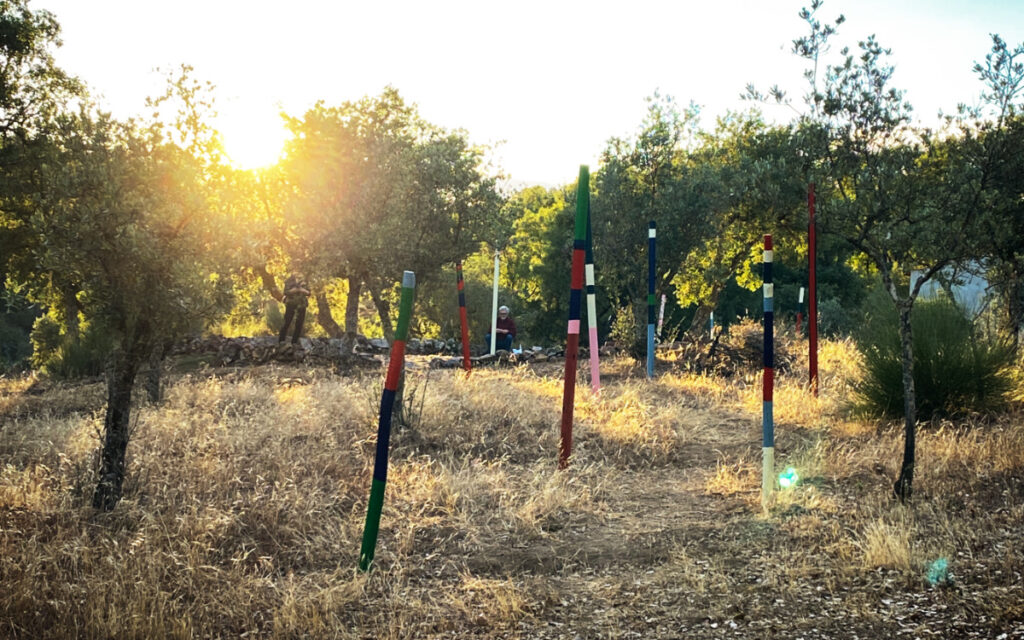
The Quinta Project is a queer permaculture farm and ecovillage in the São Mamede mountains, growing food, regenerating land, and hosting vol…
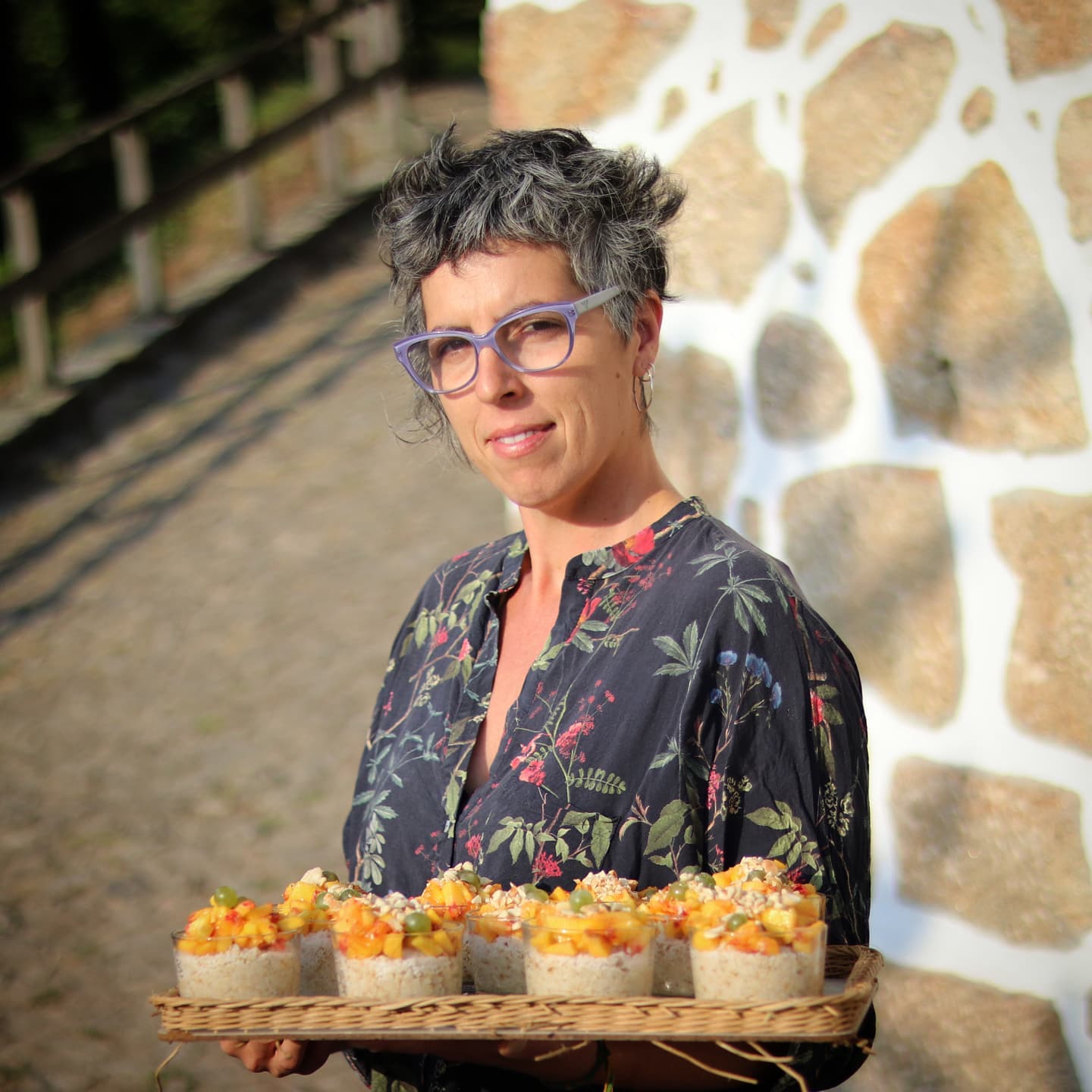
Nave Mãe is a bulk grocery store and ethical catering project in Portalegre that promotes conscious, local and seasonal consumption with a z…
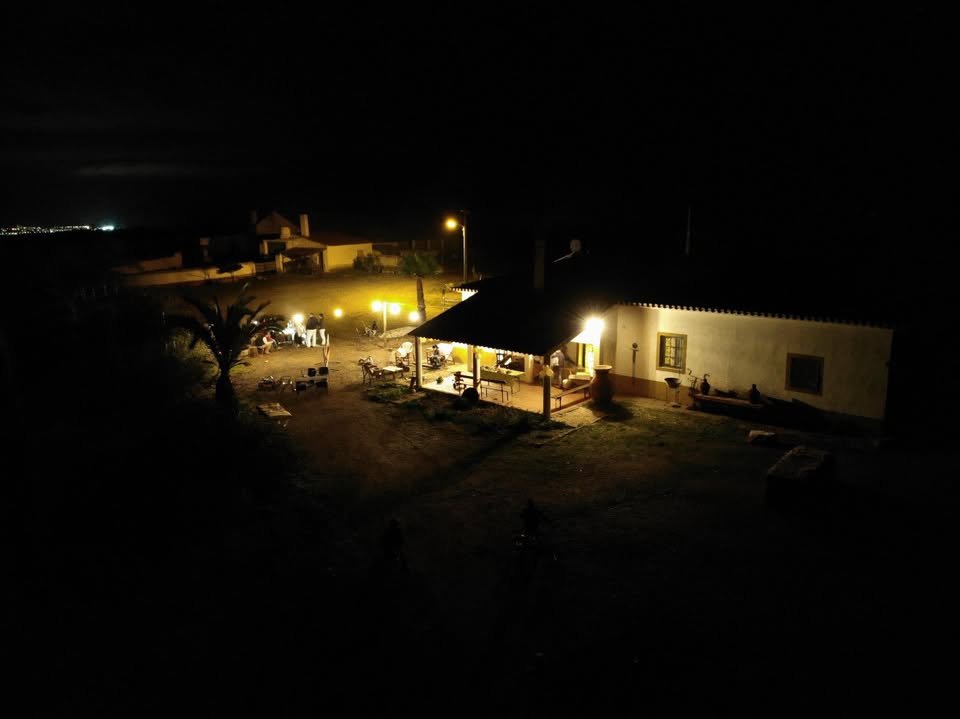
A family-run regenerative farm in Moura, Alentejo, that practises holistic cattle grazing and agroecology, and also runs a donation-based sh…

Terramay is a 560-hectare regenerative farm on the banks of the Alqueva reservoir in Alentejo. It produces nutrient-dense food without GMOs …
Portuguese soils are typically low in organic matter, and the summer burns off what little there is. Compost is the cheapest answer to both problems, which is why it is one of the first systems a land project sets up here.
The scales differ enormously. LIPOR composts the organic waste of Greater Porto. NÃM Mushroom Farm grows gourmet mushrooms on Lisbon coffee grounds and composts the spent substrate. Várzea da Gonçala and Aldeia do Vale do it at smallholding scale, and Carbon Conscious Creations turns the woody fraction into biochar instead.
Separate collection is now obligatory for municipalities, so household habits and public policy meet directly here. See also food waste reduction, organic farming and regenerative agriculture. Dated activities from these projects are listed in our events calendar.