Farol do Colibri

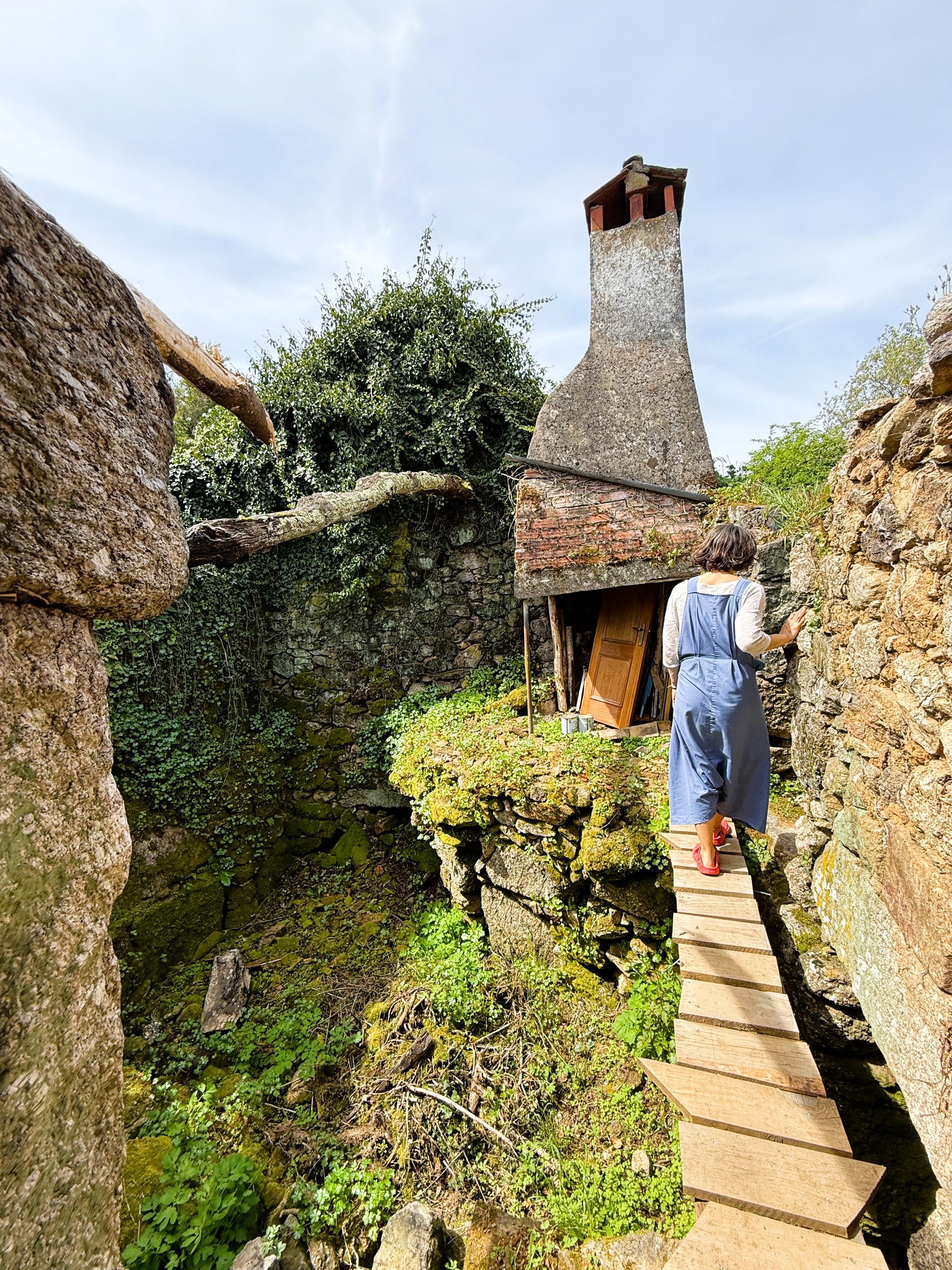
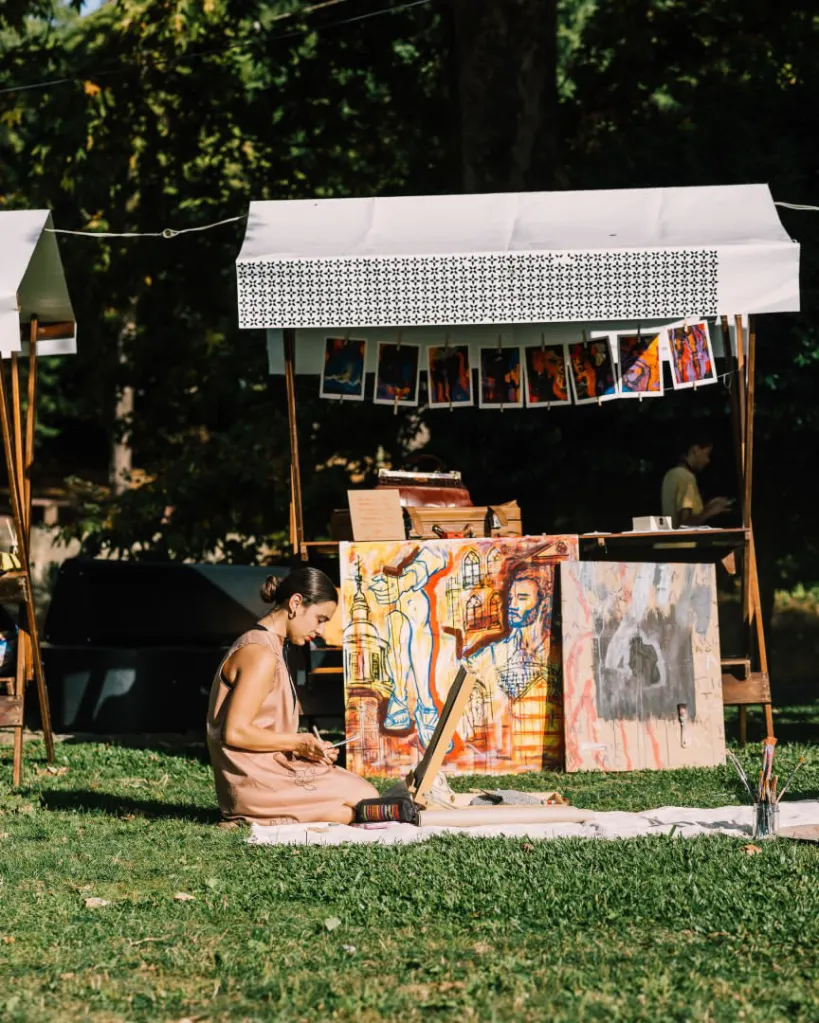


Farol do Colibri is a cooperative farm (CRL) near Viseu, in conversion to organic farming and run along permaculture lines. It also hosts occasional gatherings, such as a residency held in June 2025.
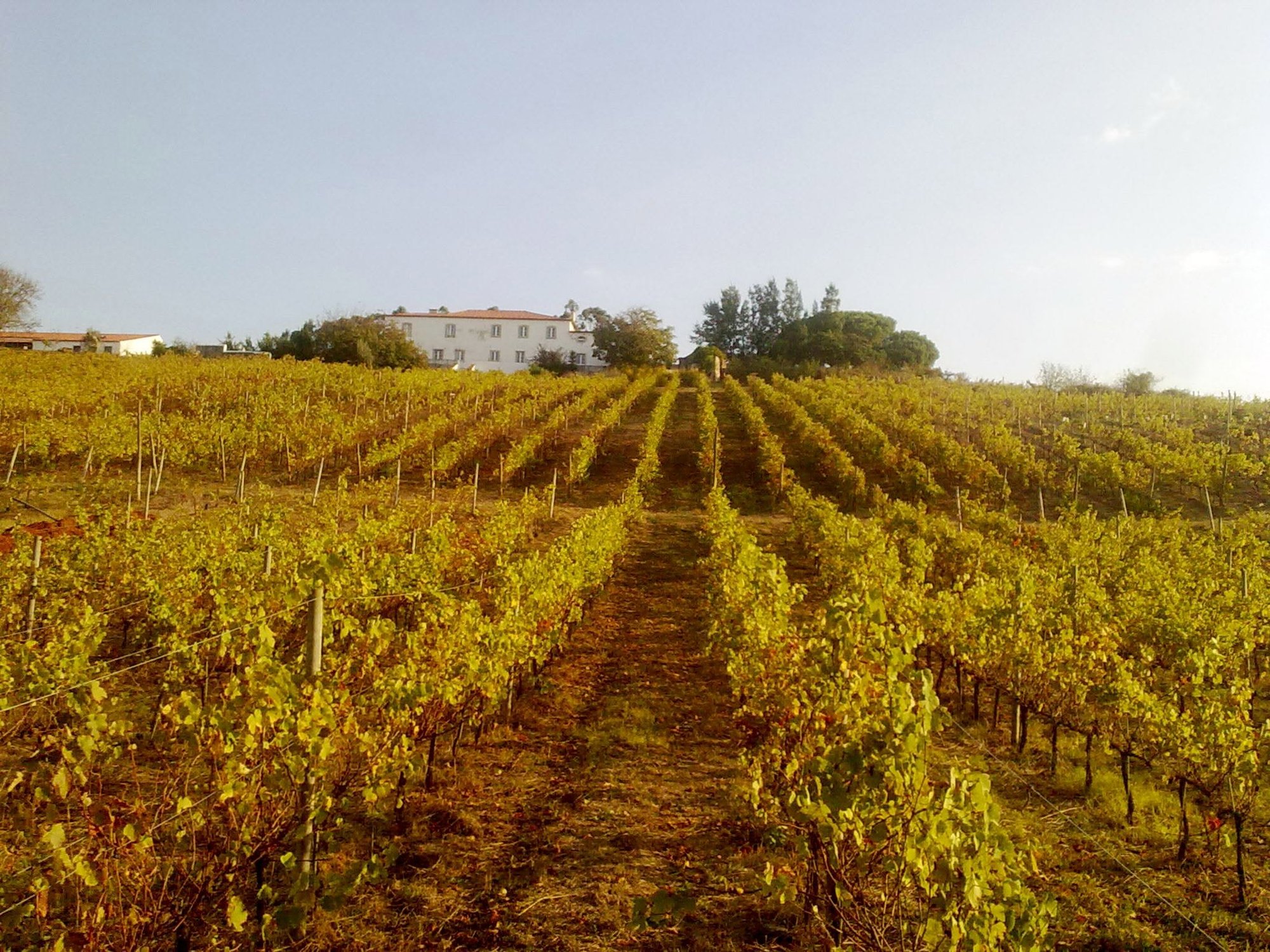
Farol do Colibri is a working farm and cooperative in the village of Forniço, in the municipality of Sátão, Viseu district. It was formally registered as a CRL (cooperativa de responsabilidade limitada) in November 2022, with a share capital of €1,500.
The farm is in conversion to organic production and follows permaculture design principles across its land. This combination of a cooperative legal structure with regenerative growing methods sets it apart from a conventional commercial holding in the region.
The site is closely tied to Escola Regenerativa de Forniçô, a cooperative-run learning centre based in the same abandoned village, restored by a group of international teachers with expertise in permaculture, natural building and soil health. Workshops held there include natural plastering, clay construction and traditional earth-based crafts such as Dorodango, a Japanese technique for polishing balls of clay and soil. The school has also hosted youth groups from abroad for short stays involving farm tasks like gathering straw and learning to build with clay.
In June 2025, the farm hosted a multi-day residency conducted mainly in Portuguese, with informal peer-to-peer translation for other participants. Details on the exact size of the farm, the specific crops grown, and who manages daily operations are not documented in public sources. What is established is the legal structure, the location near Viseu, the ongoing organic conversion, and permaculture as the guiding approach to land management.
Our Goal
Farol do Colibri is converting a working farm near Viseu to organic production while applying permaculture design across the land. The cooperative aims to combine regenerative agriculture with a legal structure owned collectively by its members.
Our Wishes
The project's public information does not state specific current needs, though its links to the Escola Regenerativa suggest an interest in participants and volunteers for land-based workshops and residencies.