
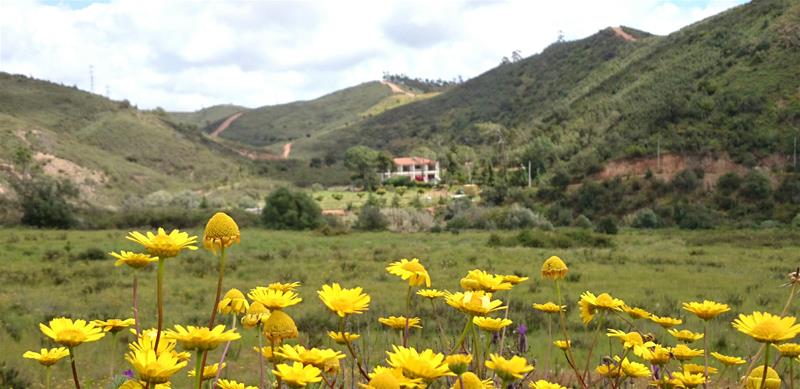
Quinta Shangri-La
Quinta Shangri-La is a biodynamic farm and intentional community with a small bed and breakfast in the hills near Silves, Algarve. The prope…
Syntropic agriculture builds dense food forests in successive layers. Terra Sintrópica in Mértola uses it to turn dry Alentejo land into productive ecosystems.
Quinta Shangri-La is a biodynamic farm and intentional community with a small bed and breakfast in the hills near Silves, Algarve. The prope…

Agrofloresta de Campolide - Bela Flor Respira is a community-led pilot project that turned a degraded hillside in Lisbon into an urban agrof…
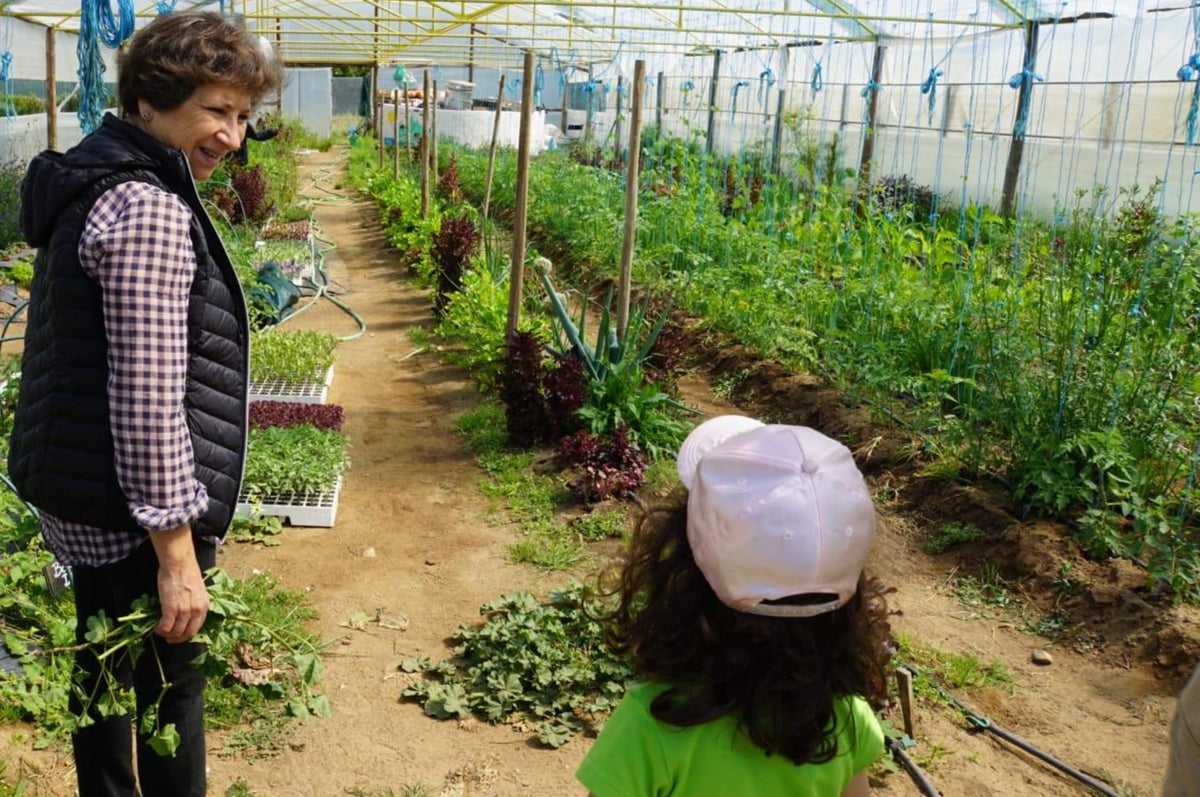
Quinta da Caria is a pedagogical organic farm in Torres Vedras that grows biological aromatic herbs, fruit and vegetables using agroforestry…
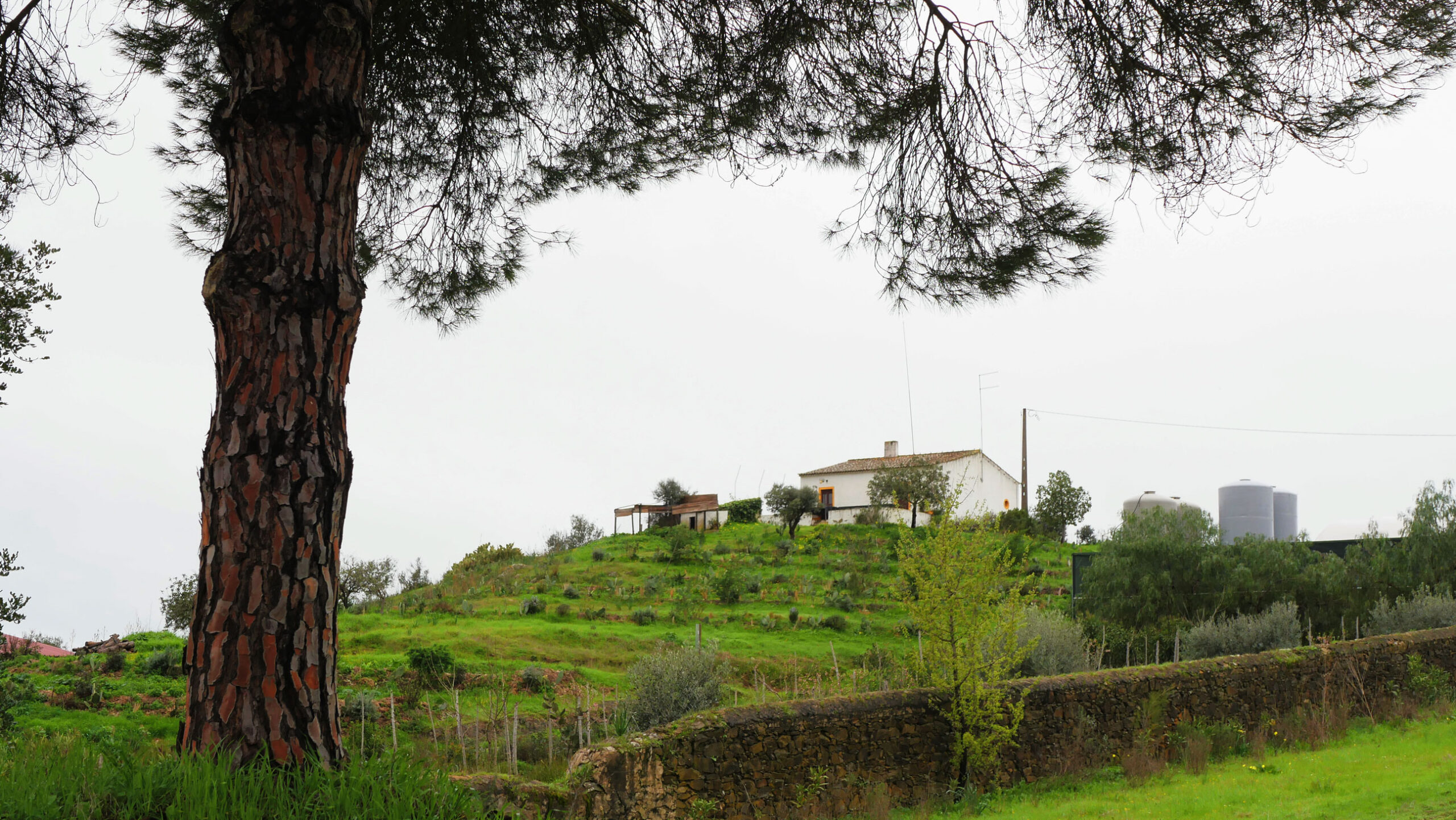
Terra Sintrópica is a community-driven regeneration association in Mértola, Alentejo, working to restore semi-arid ecosystems through syntro…
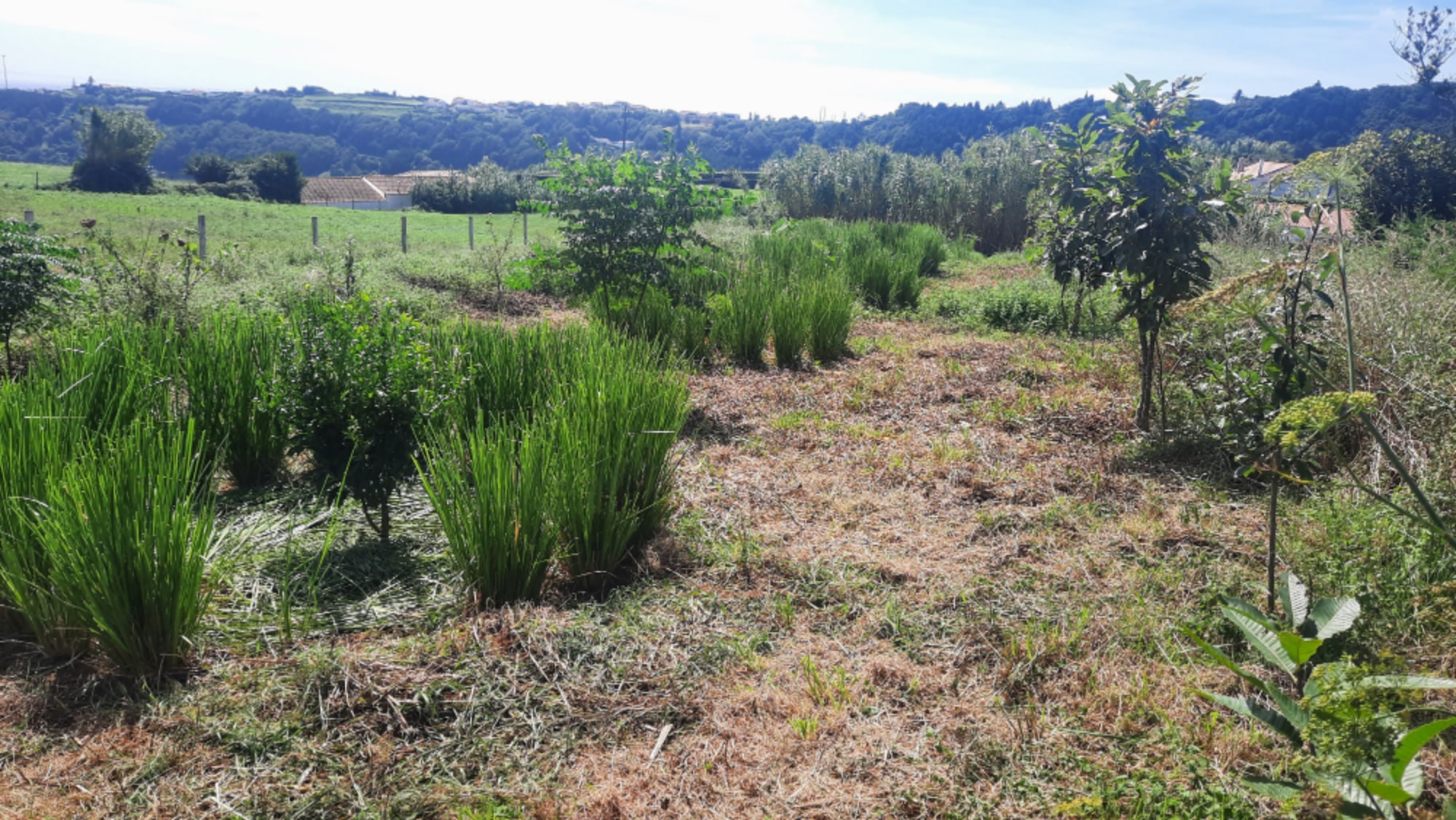
Horta Cá de Casa is a family-run ecological farm in the Azores that practises and teaches permaculture, syntropic farming and agroforestry o…
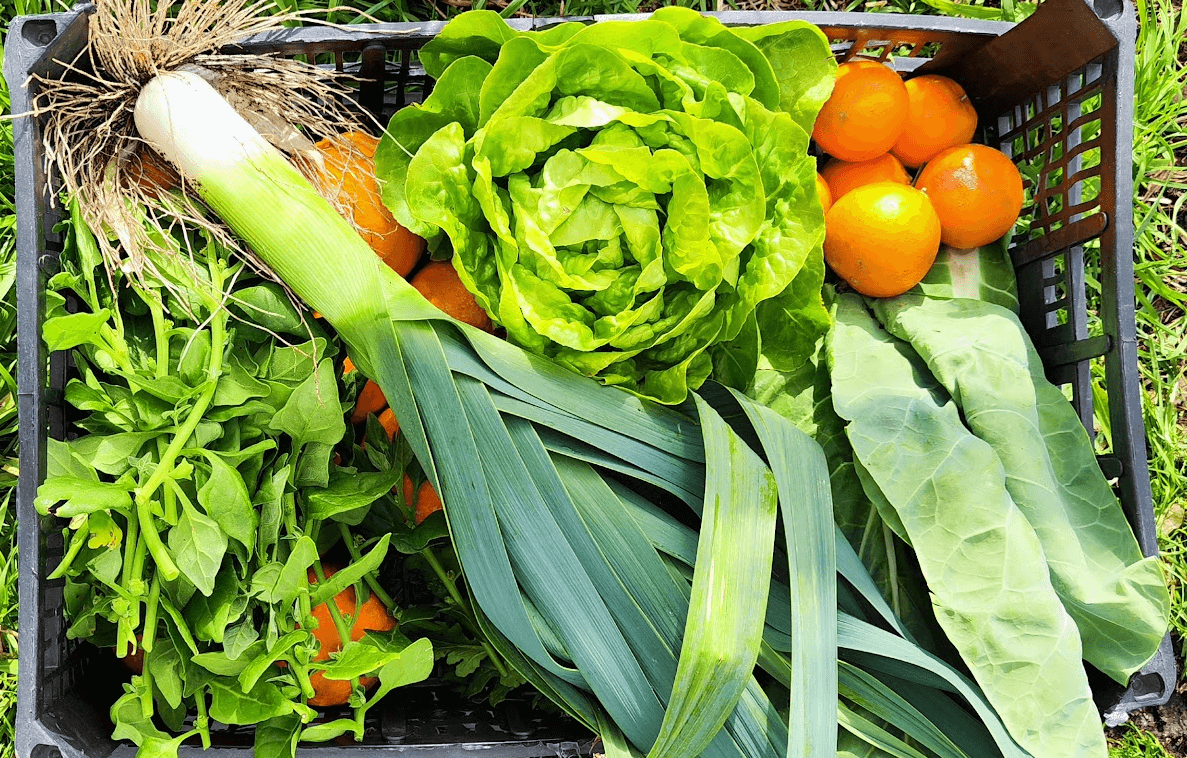
Sintropia Temperada is a regenerative farm in Palmela that grows food in syntropic agroforestry consortia while restoring soil and water cyc…
A non-profit family support association in Maceira, Leiria, that combines social care with a large-scale permaculture and regenerative agric…

Quinta Kania is an ecological permaculture homestead in Tábua, central Portugal, with courses, workshops, farm tours and hands-on natural bu…
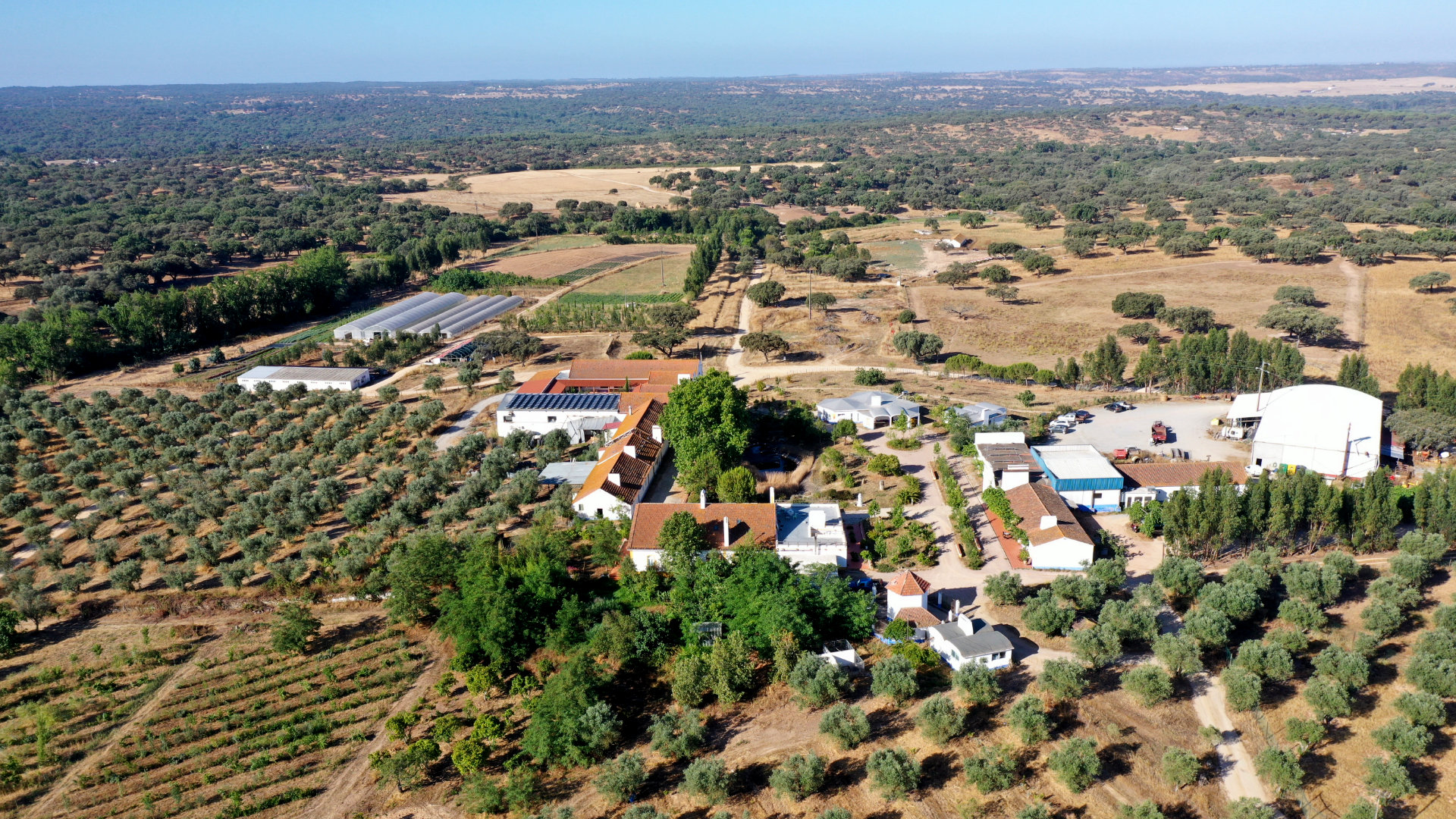
Herdade do Freixo do Meio is a protected agroecological estate at Montemor-o-Novo, Alentejo, combining organic food production, biodiversity…

Terramay is a 560-hectare regenerative farm on the banks of the Alqueva reservoir in Alentejo. It produces nutrient-dense food without GMOs …

Várzea da Gonçala is a 7.5-hectare permaculture smallholding near Aljezur in the western Algarve, developed over 18 years into a food forest…

Ekogaio is a Portuguese agro-regenerative collective based in Tomar that designs and implements permaculture, agroforestry, and regenerative…
Syntropic agriculture plants dense, layered systems and manages them by pruning, the cuttings feed the soil, and the planting is designed to move through successive stages the way a forest does. It came from Brazil, via Ernst Götsch, and it is being adapted to a Mediterranean climate that is far drier than the one it was developed in.
Terra Sintrópica works in Mértola, on some of the driest land in the Alentejo, which makes it a useful test of whether the method travels.
Courses and demonstration plots are central to how the method is shared here. The agroforestry and regenerative agriculture focuses sit closest to it. Dated activities from these projects are listed in our events calendar.