
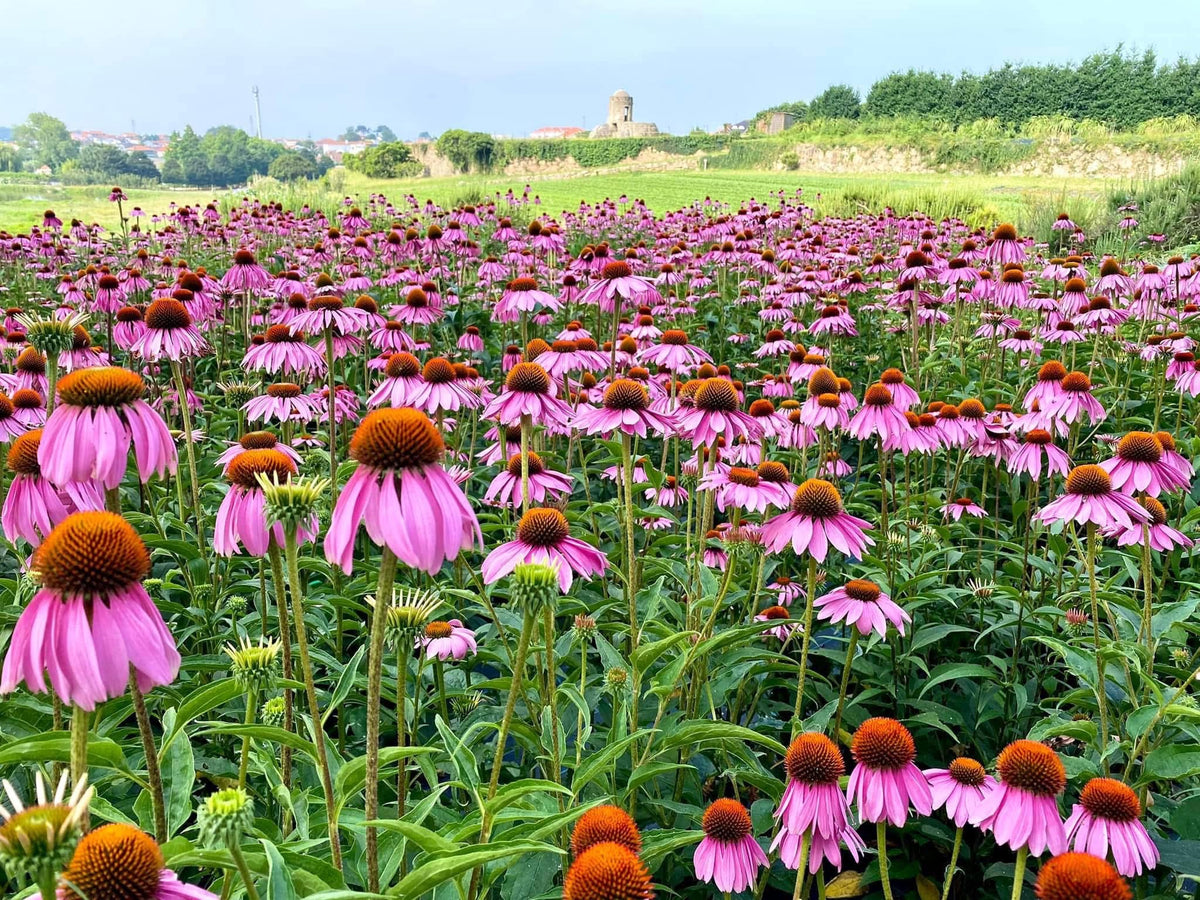
Cantinho das Aromáticas
Cantinho das Aromáticas was an organic aromatic-plant farm and visitor space in Vila Nova de Gaia that closed in 2023 after financial diffic…
Certified organic farming in Portugal ranges from family farms like Vale da Sarvinda to larger estates such as Herdade Monte Silveira. Buy direct, volunteer at harvest or learn from the people growing the food.
Cantinho das Aromáticas was an organic aromatic-plant farm and visitor space in Vila Nova de Gaia that closed in 2023 after financial diffic…

CCBio is a national competence centre based in Serpa that supports organic farming through research, technical guidance and partnerships acr…
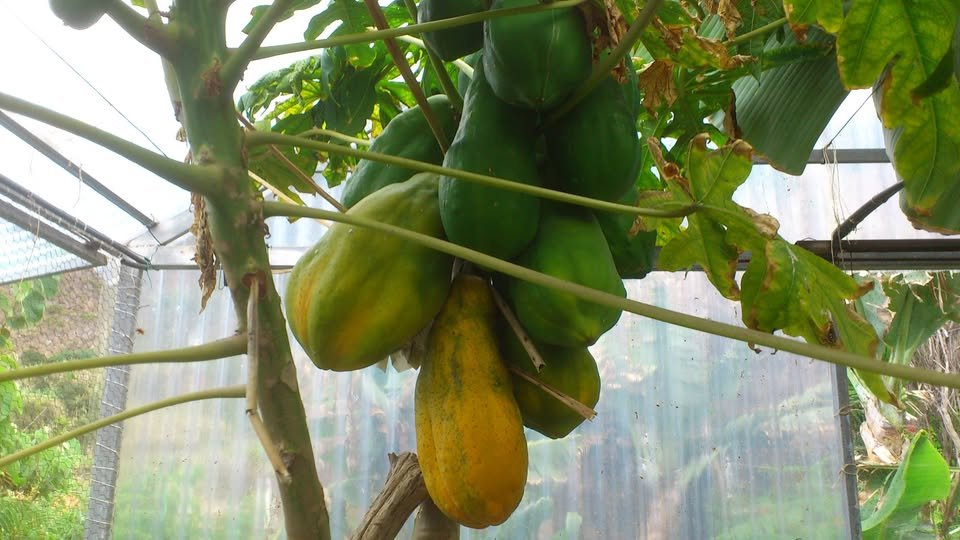
Quinta do Mitra is a certified organic farm in Arco de São Jorge, Madeira, growing vegetables, aromatic and medicinal plants, and subtropica…

O Rapaz da Quinta is a certified organic farm in Leça do Balio run by Tiago Ferreira, delivering fresh fruit and vegetable baskets to homes …

Encosta do Paço is a permaculture and environmental education project on a biodynamic wine estate near Arcos de Valdevez, in Minho, offering…
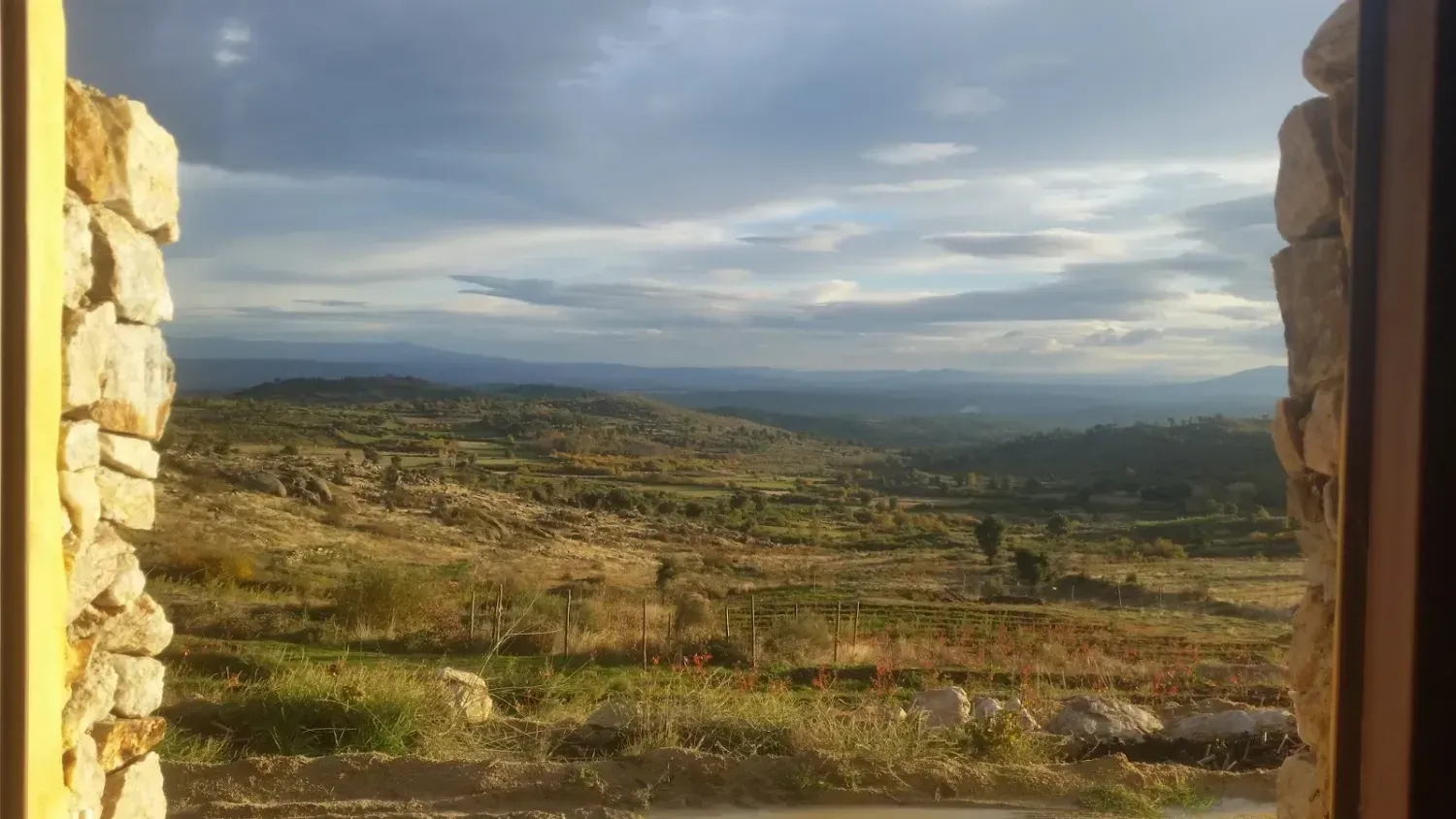
A family-led project in the village of Sonim, Trás-os-Montes, growing certified organic blueberries, strawberries and currants while regener…

A certified organic family farm and ecotourism project near the Peneda-Gerês National Park in northern Portugal, offering B&B accommodation,…
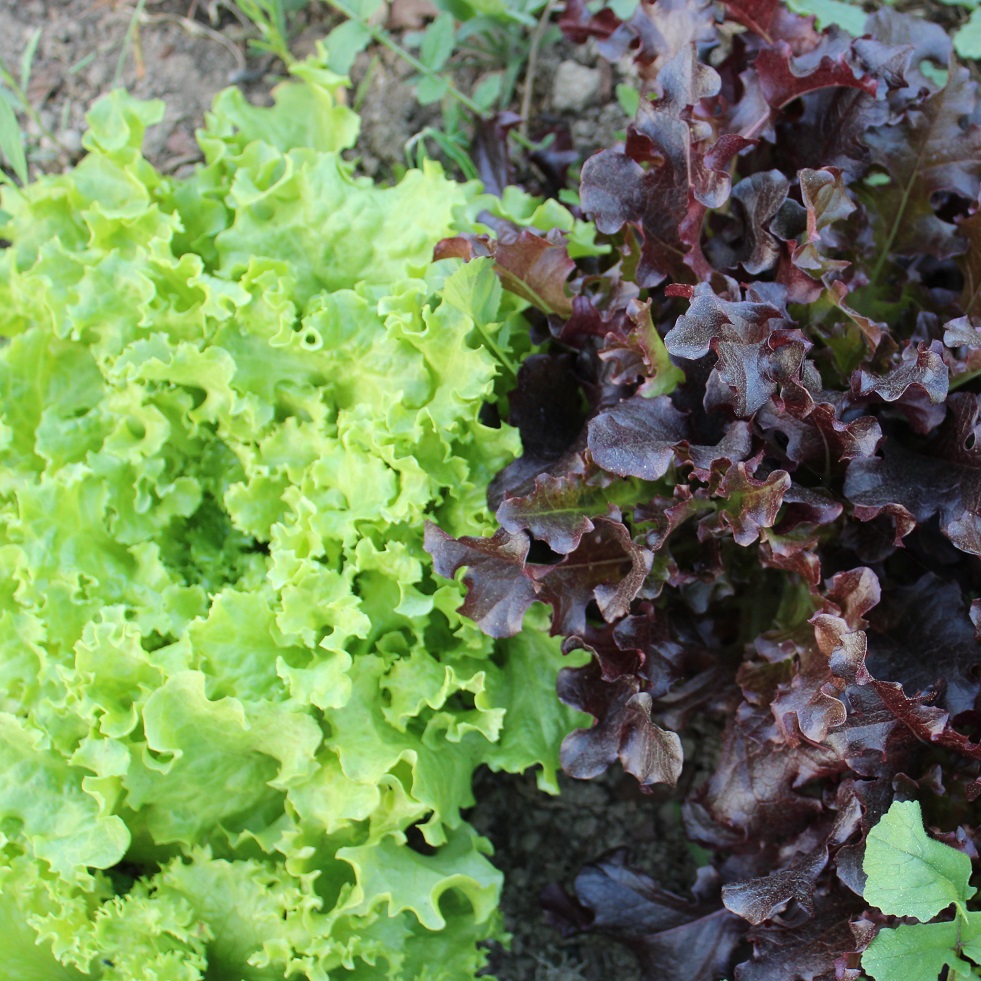
Quinta Terra Viva is an agroecological farm in Baião growing a wide variety of certified organic seasonal vegetables, using soil regeneratio…
Certified organic farming in Portugal runs from family smallholdings to estates of several hundred hectares. Certification is an EU scheme audited by approved bodies here, which is why “certified organic” and “no sprays” are not the same claim, the first is a paper trail, the second is a conversation with the farmer.
Herdade Monte Silveira farms around 700 hectares in Beira Baixa. Vale da Sarvinda is a family farm. Both sell direct, and the project pages show where direct sales are available.
Buying direct, volunteering at harvest, or taking a course are the three usual ways in, and each project page says which of them apply. For the uncertified but equally careful, see the regenerative agriculture and permaculture focuses. Dated activities from these projects are listed in our events calendar.