

Monte da Casteleja
Monte da Casteleja is an organic wine estate and farm stay near Lagos, Algarve, run by Guillaume Leroux, who inherited the property from his…
Certified organic farming in Portugal ranges from family farms like Vale da Sarvinda to larger estates such as Herdade Monte Silveira. Buy direct, volunteer at harvest or learn from the people growing the food.
Monte da Casteleja is an organic wine estate and farm stay near Lagos, Algarve, run by Guillaume Leroux, who inherited the property from his…

SAIA is a fifth-generation family business running two organic farms in the Algarve, Quinta do Freixo inland and Quinta do Mel by the sea, p…

Quinta da Zira is a pesticide-free farm in Albufeira producing vegetables, fruits, herbs and eggs, paired with a rebuilt local accommodation…
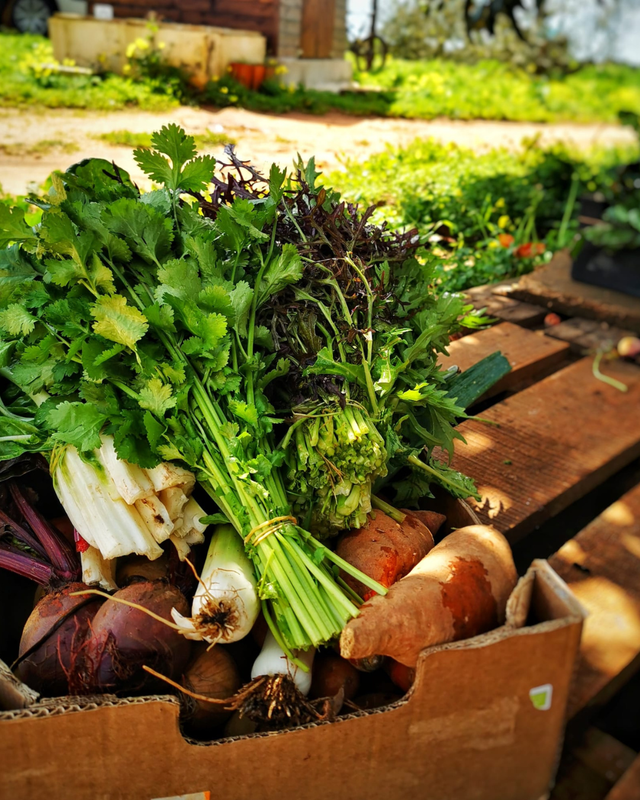
Albustan - Hortas do Sol is a certified organic farm in Bensafrim, Algarve, growing seasonal vegetables through regenerative agriculture and…

Plan Bio by Buda Bites is an Algarve-based Portuguese brand producing durable physical planning guides for organic vegetable gardens, medici…
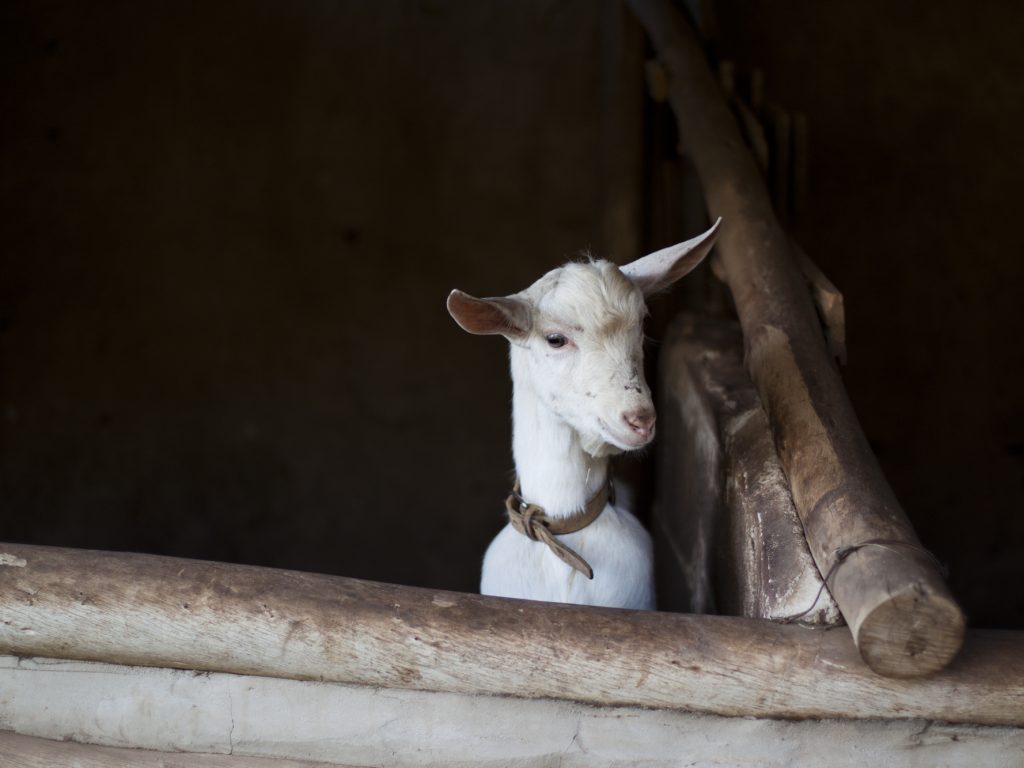
Monchique Homestead is a self-sufficient organic farm in the Serra de Monchique, Algarve, where a family grows vegetables and keeps chickens…

Al-Bio is an association of organic farmers and agroecology advocates in the Algarve. It works to strengthen sustainable small and medium-sc…
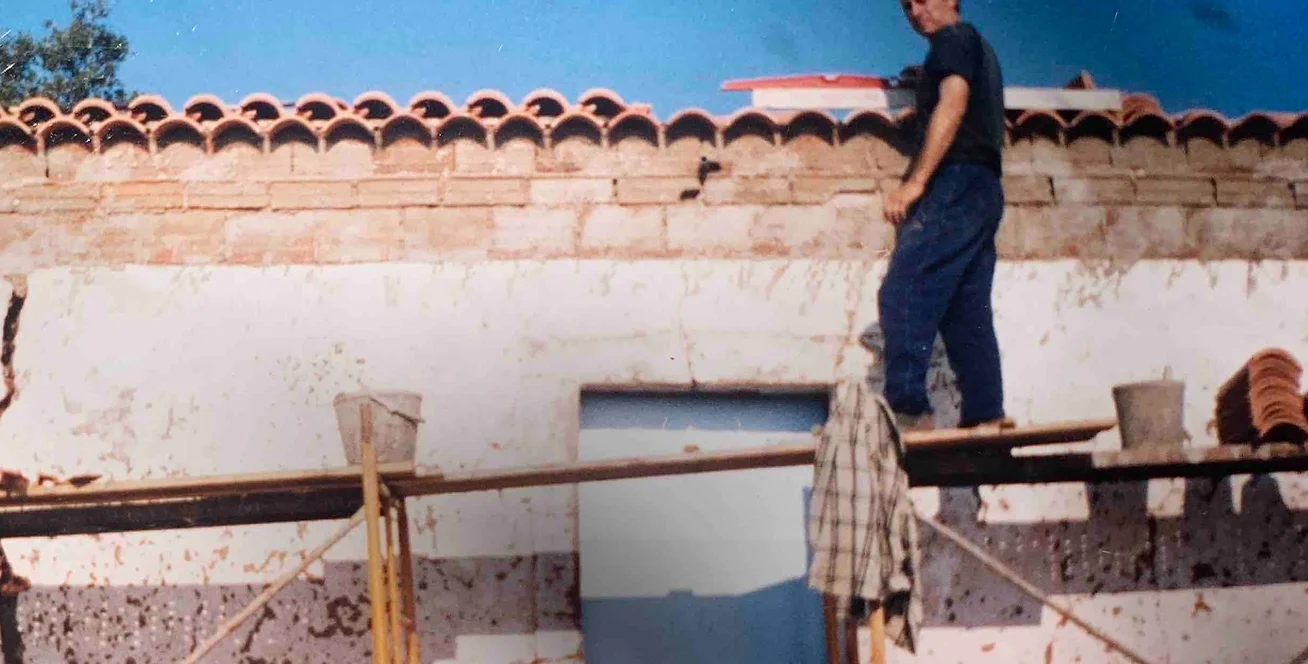
Quinta da Fornalha is a 35-hectare organic farm in Castro Marim, Algarve, that combines regenerative agriculture, ecotourism, a farm restaur…

Quinta Vale da Lama is a 43-hectare regenerative organic farm near Lagos. It produces certified organic fruit and vegetables and restores ec…

Várzea da Gonçala is a 7.5-hectare permaculture smallholding near Aljezur in the western Algarve, developed over 18 years into a food forest…
Certified organic farming in Portugal runs from family smallholdings to estates of several hundred hectares. Certification is an EU scheme audited by approved bodies here, which is why “certified organic” and “no sprays” are not the same claim, the first is a paper trail, the second is a conversation with the farmer.
Herdade Monte Silveira farms around 700 hectares in Beira Baixa. Vale da Sarvinda is a family farm. Both sell direct, and the project pages show where direct sales are available.
Buying direct, volunteering at harvest, or taking a course are the three usual ways in, and each project page says which of them apply. For the uncertified but equally careful, see the regenerative agriculture and permaculture focuses. Dated activities from these projects are listed in our events calendar.