

Monte Mimo
Monte Mimo is a small family-run regenerative farming project in Alvalade do Sado, Alentejo, producing vegetables and other goods through an…
Certified organic farming in Portugal ranges from family farms like Vale da Sarvinda to larger estates such as Herdade Monte Silveira. Buy direct, volunteer at harvest or learn from the people growing the food.
Monte Mimo is a small family-run regenerative farming project in Alvalade do Sado, Alentejo, producing vegetables and other goods through an…
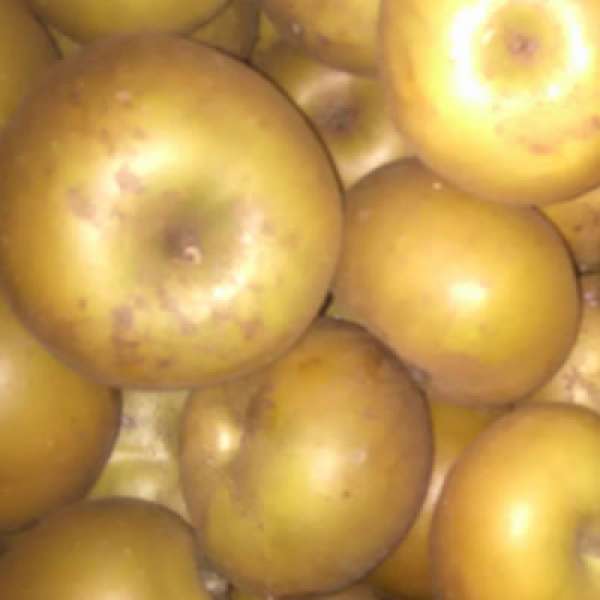
Quinta da Cotovia is an organic farm in Sonega, Cercal do Alentejo, producing fruit, vegetables, bread and olive oil sold through baskets an…
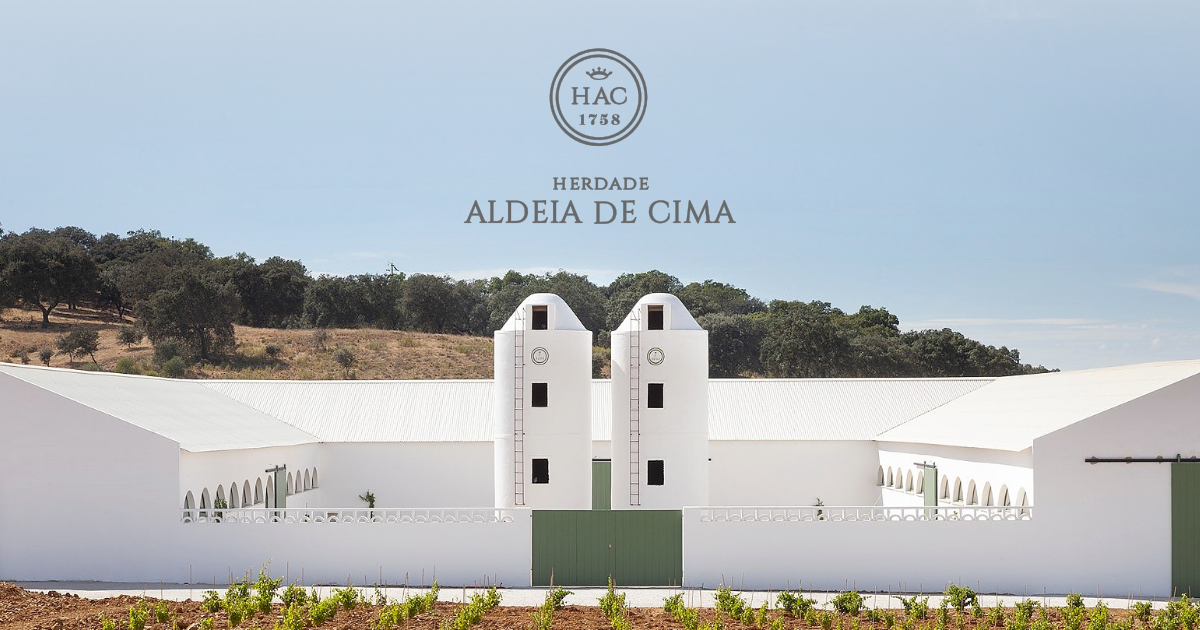
Herdade Aldeia de Cima is a 3,500-hectare montado estate in the Serra do Mendro, Alentejo, producing organic wine, medronho spirit, olive oi…
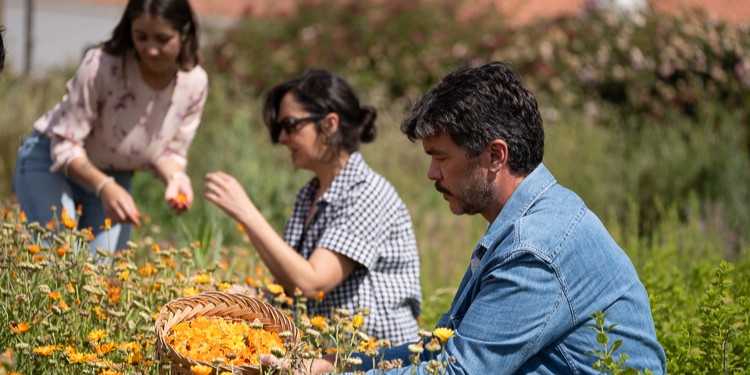
Paisagindo Bio is an organic tea and spice producer based on a farm in Alandroal, Alentejo, making infusions, tisanas and condiments by hand…
Wolf's Own is a certified organic and vegan vineyard located in Ervidel, in the Alentejo region of Portugal. The project produces wines root…
Mellow Cogumelo is an off-grid permaculture project in the Alentejo, combining a gourmet mushroom farm with a mobile Neapolitan pizzeria and…

Quinta Anema is an organic dairy farm in Lavre, Alentejo, run by Dutch couple Jan and Elisabeth Anema, producing certified organic Gouda-sty…
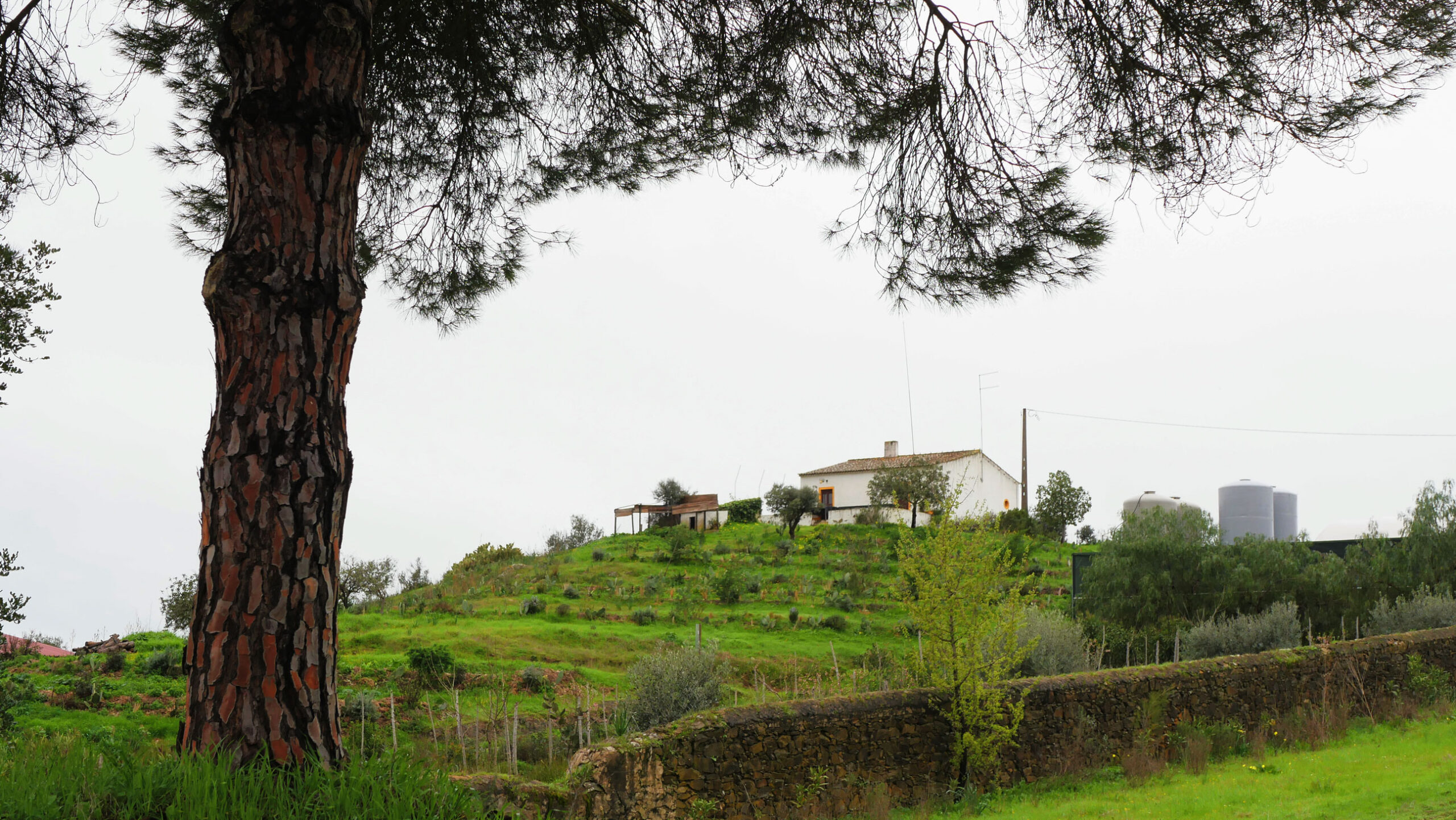
Terra Sintrópica is a community-driven regeneration association in Mértola, Alentejo, working to restore semi-arid ecosystems through syntro…

A 16-hectare organic farm in Ribatejo that produces more than 50 products, from olive oil and honey to wild herbs and vegetables, following …

Vivid Farms grows seasonal, certified organic vegetables and raises animals in living, nutrient-rich soil near Golegã and Santarém, using re…

A family-owned wine estate in Cartaxo, in the Tejo region, with roots going back to 1718. On more than 90 hectares, Quinta do Sampayo combin…
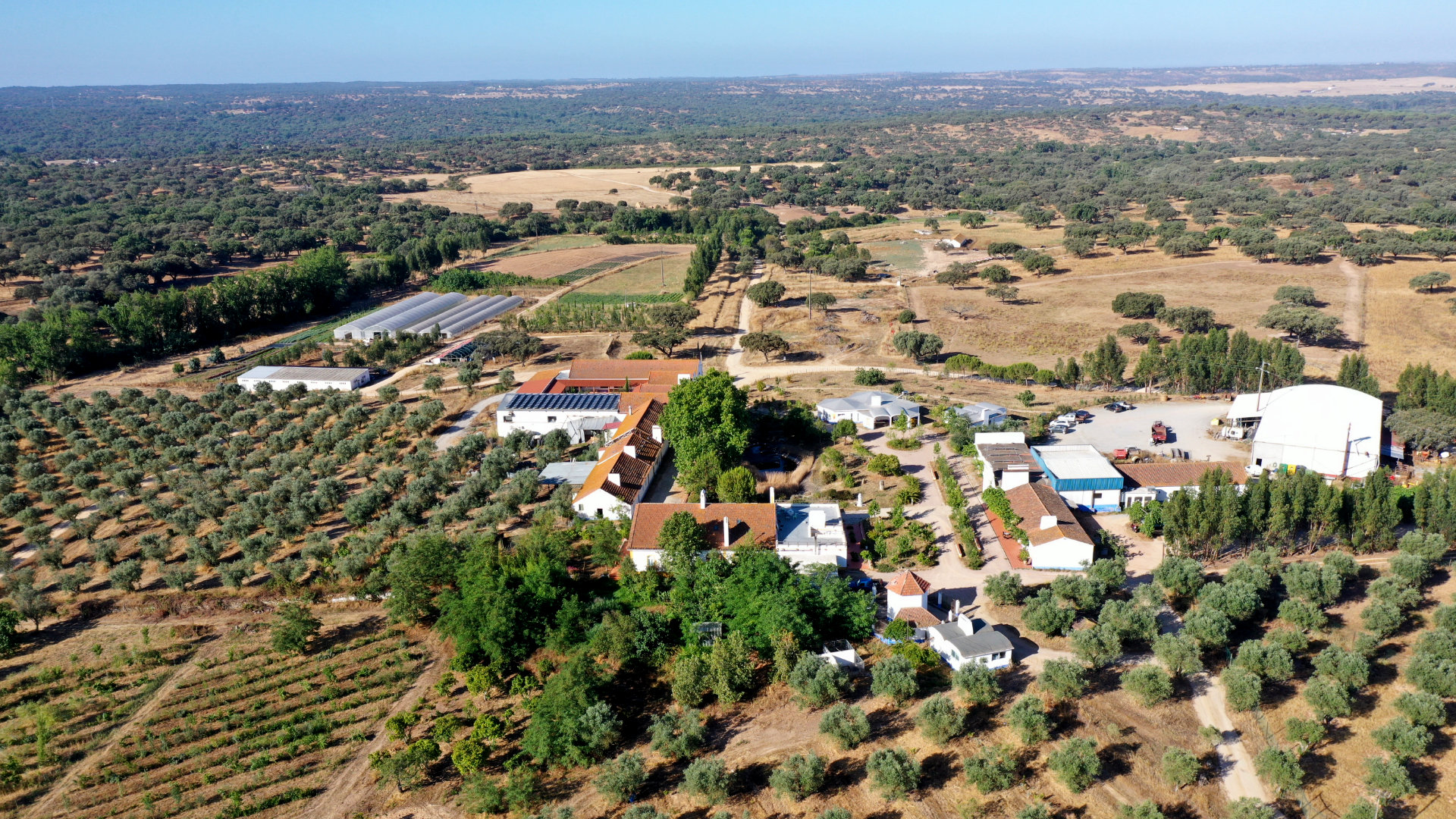
Herdade do Freixo do Meio is a protected agroecological estate at Montemor-o-Novo, Alentejo, combining organic food production, biodiversity…

Terramay is a 560-hectare regenerative farm on the banks of the Alqueva reservoir in Alentejo. It produces nutrient-dense food without GMOs …
Certified organic farming in Portugal runs from family smallholdings to estates of several hundred hectares. Certification is an EU scheme audited by approved bodies here, which is why “certified organic” and “no sprays” are not the same claim, the first is a paper trail, the second is a conversation with the farmer.
Herdade Monte Silveira farms around 700 hectares in Beira Baixa. Vale da Sarvinda is a family farm. Both sell direct, and the project pages show where direct sales are available.
Buying direct, volunteering at harvest, or taking a course are the three usual ways in, and each project page says which of them apply. For the uncertified but equally careful, see the regenerative agriculture and permaculture focuses. Dated activities from these projects are listed in our events calendar.