

Monte Mimo
Monte Mimo is a small family-run regenerative farming project in Alvalade do Sado, Alentejo, producing vegetables and other goods through an…
Quinta Vale da Lama near Lagos and Monte da Vida's forest farm use farming to rebuild soil. Their work links productive land with ecological recovery.
Monte Mimo is a small family-run regenerative farming project in Alvalade do Sado, Alentejo, producing vegetables and other goods through an…
Húmus Vivo is an educational, hands-on project spreading regenerative soil practices in Portugal, through olive pruning workshops, agrofores…
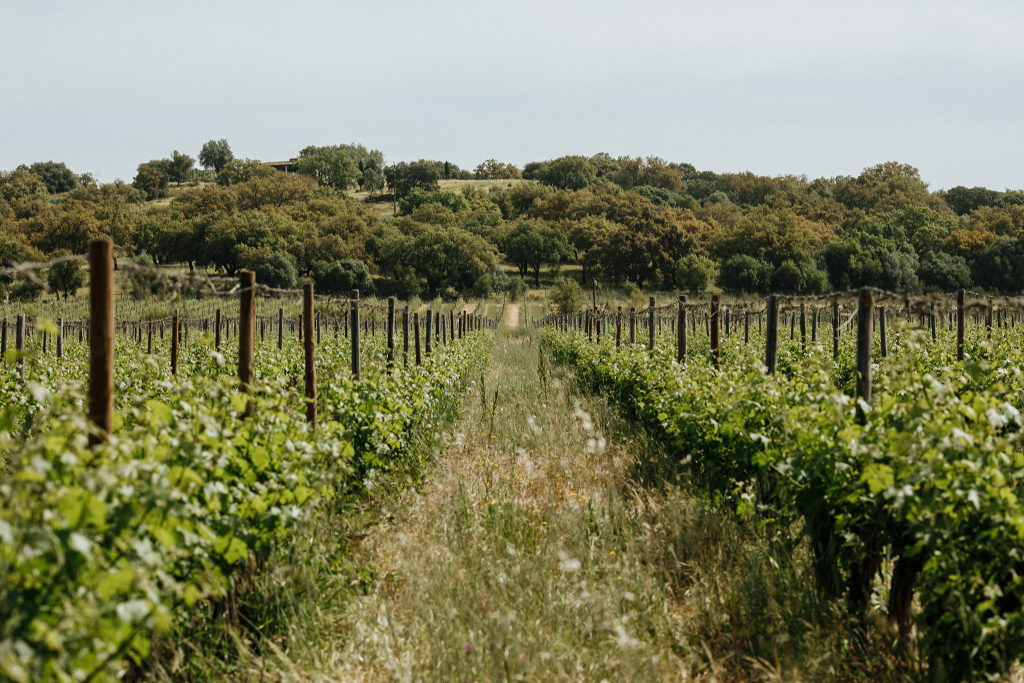
Tapada de Coelheiros is a family-owned wine estate in Arraiolos, Alentejo, spanning nearly 800 hectares where regenerative and organic farmi…
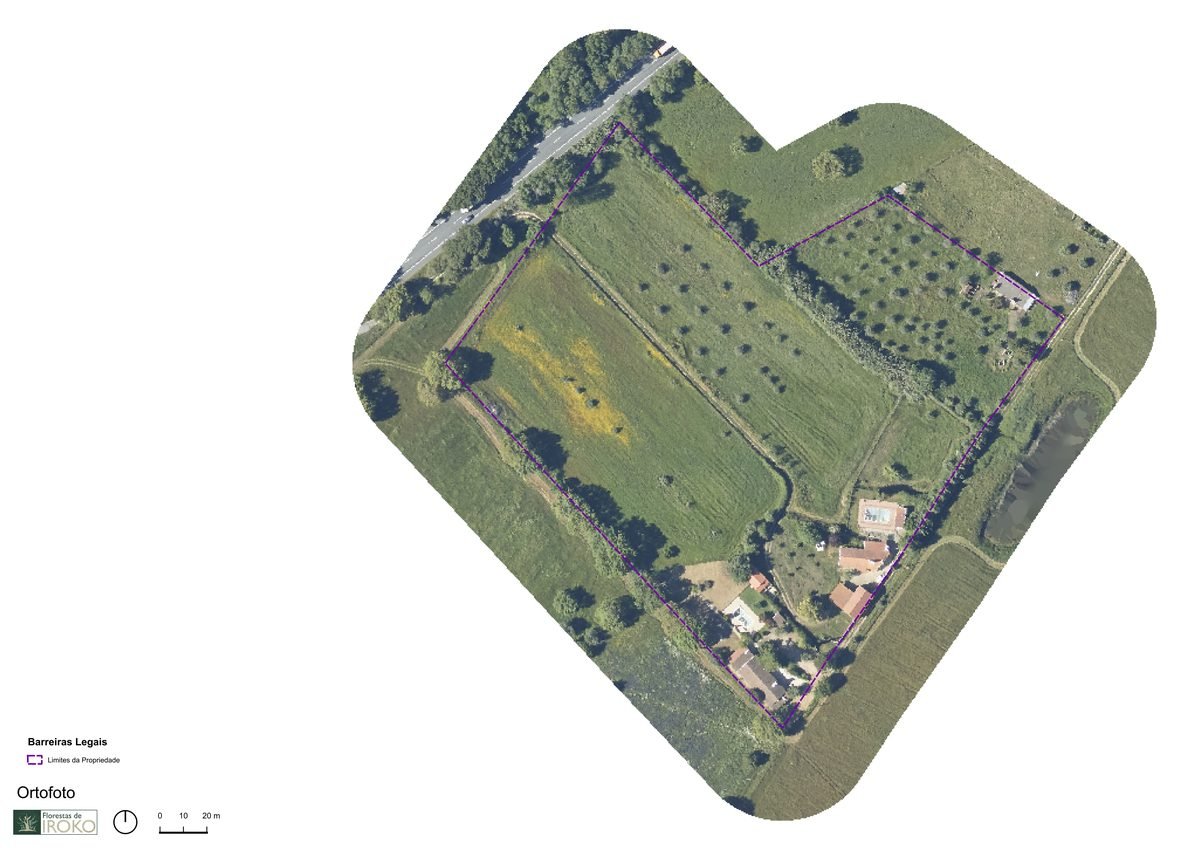
Florestas de Iroko is a regenerative polyculture company based in the Alentejo that designs, implements, and manages productive agroforestry…
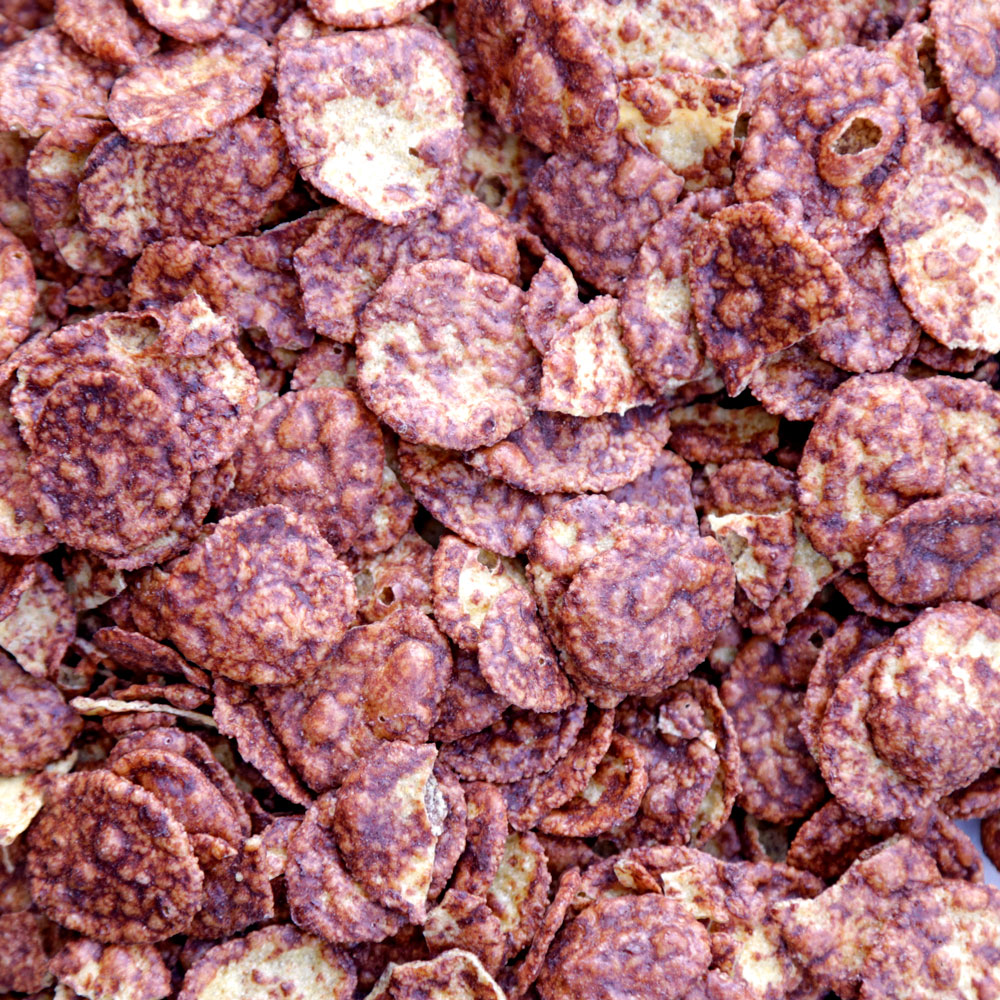
Colmeia is a non-profit local food distribution network operating across the Algarve and South Alentejo, distributing organic and local prod…

Herdade de São Luís, home to the Porcus Natura brand, is a regenerative livestock farm in Montemor-o-Novo that raises Alentejo pigs, Angus c…
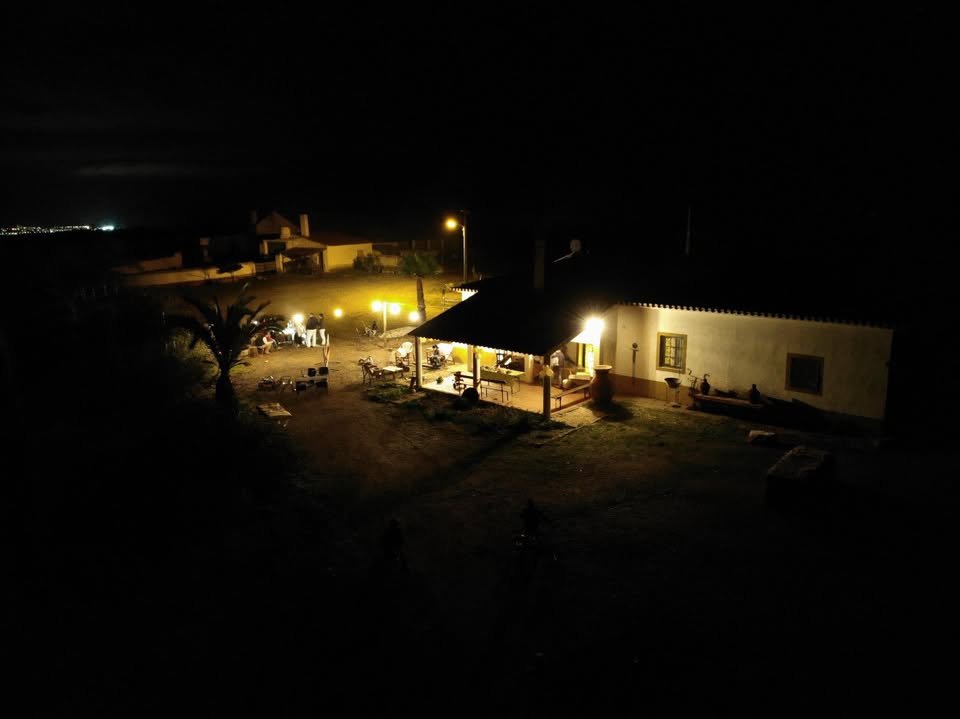
A family-run regenerative farm in Moura, Alentejo, that practises holistic cattle grazing and agroecology, and also runs a donation-based sh…
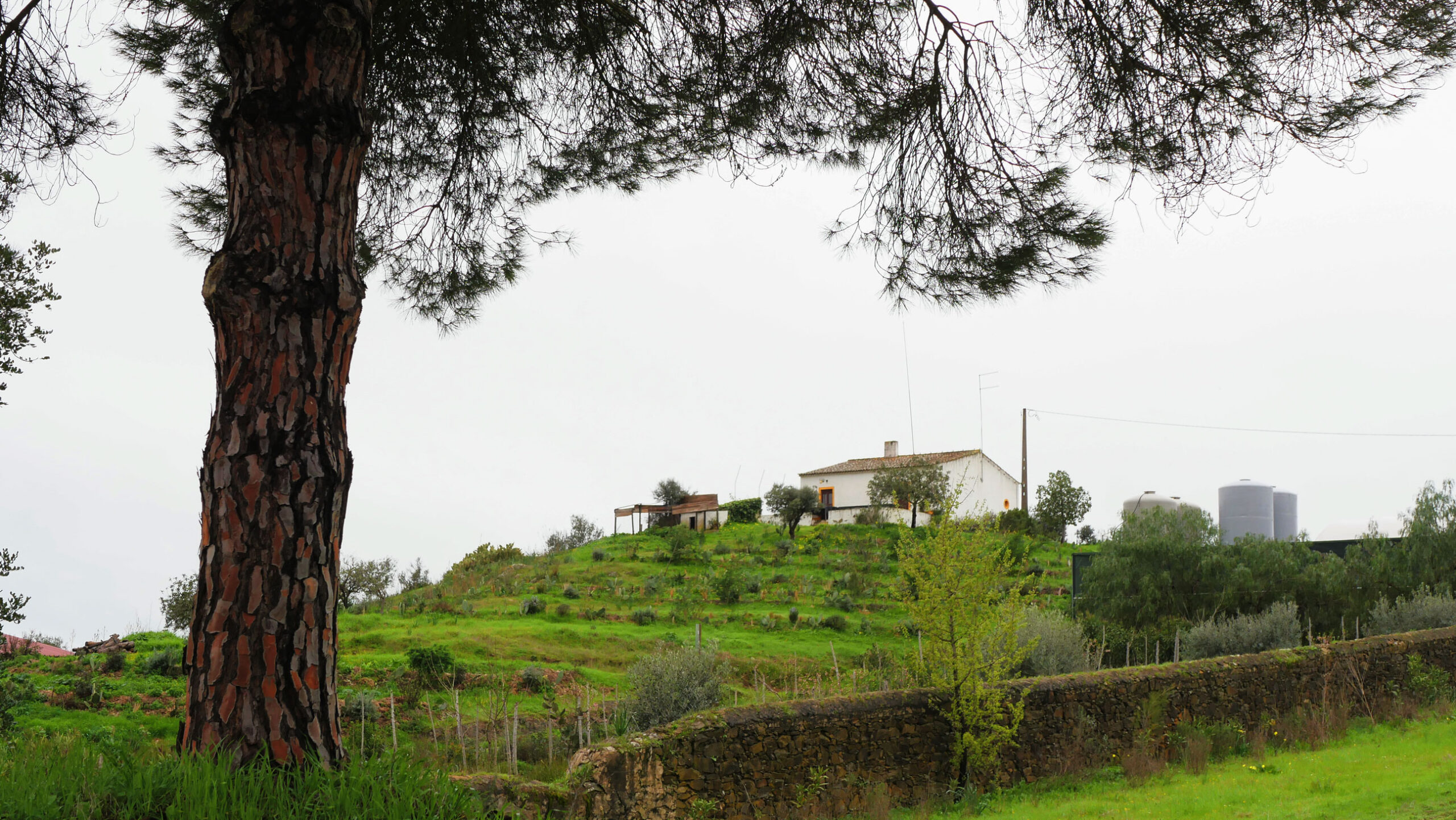
Terra Sintrópica is a community-driven regeneration association in Mértola, Alentejo, working to restore semi-arid ecosystems through syntro…

Vivid Farms grows seasonal, certified organic vegetables and raises animals in living, nutrient-rich soil near Golegã and Santarém, using re…

A family-owned wine estate in Cartaxo, in the Tejo region, with roots going back to 1718. On more than 90 hectares, Quinta do Sampayo combin…

Monte da Vida is a regenerative forest farm on 90 hectares in south-west Portugal. It combines agroforestry, wild herb harvesting and tree e…
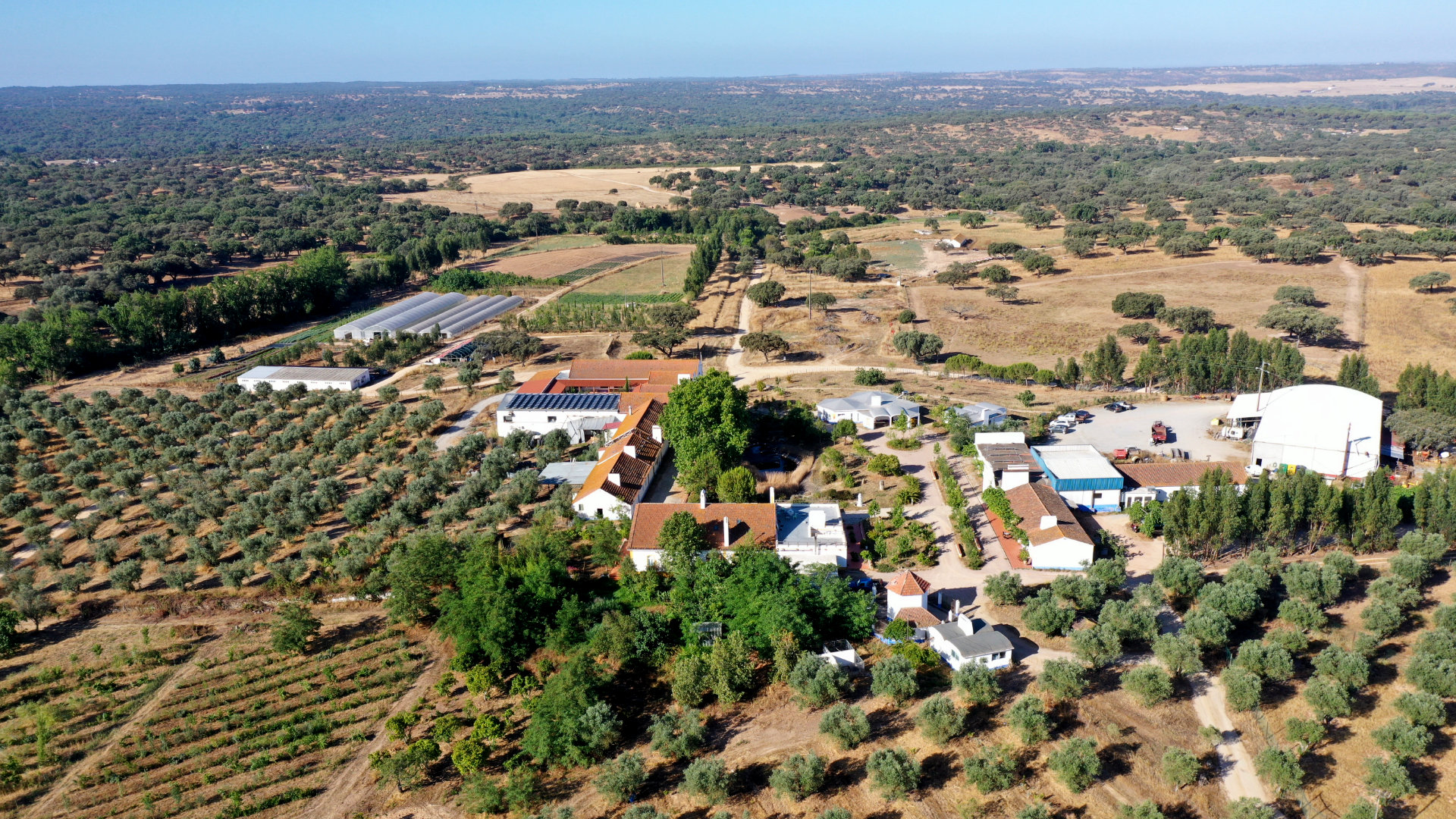
Herdade do Freixo do Meio is a protected agroecological estate at Montemor-o-Novo, Alentejo, combining organic food production, biodiversity…

Terramay is a 560-hectare regenerative farm on the banks of the Alqueva reservoir in Alentejo. It produces nutrient-dense food without GMOs …
Regenerative agriculture measures itself by what happens to the soil rather than by what stays off it. In Portugal that means organic matter, water infiltration and ground cover through the dry months, on land that in much of the country has been losing all three for a century.
Quinta Vale da Lama near Lagos combines regeneration with training. Monte da Vida runs a forest farm. Both are among the projects making the case that the approach pays economically as well as ecologically, which is the argument that decides whether neighbours copy it.
Several run courses and take volunteers. The syntropic farming, agroforestry and holistic grazing focuses cover the specific methods most often used here. Dated activities from these projects are listed in our events calendar.